
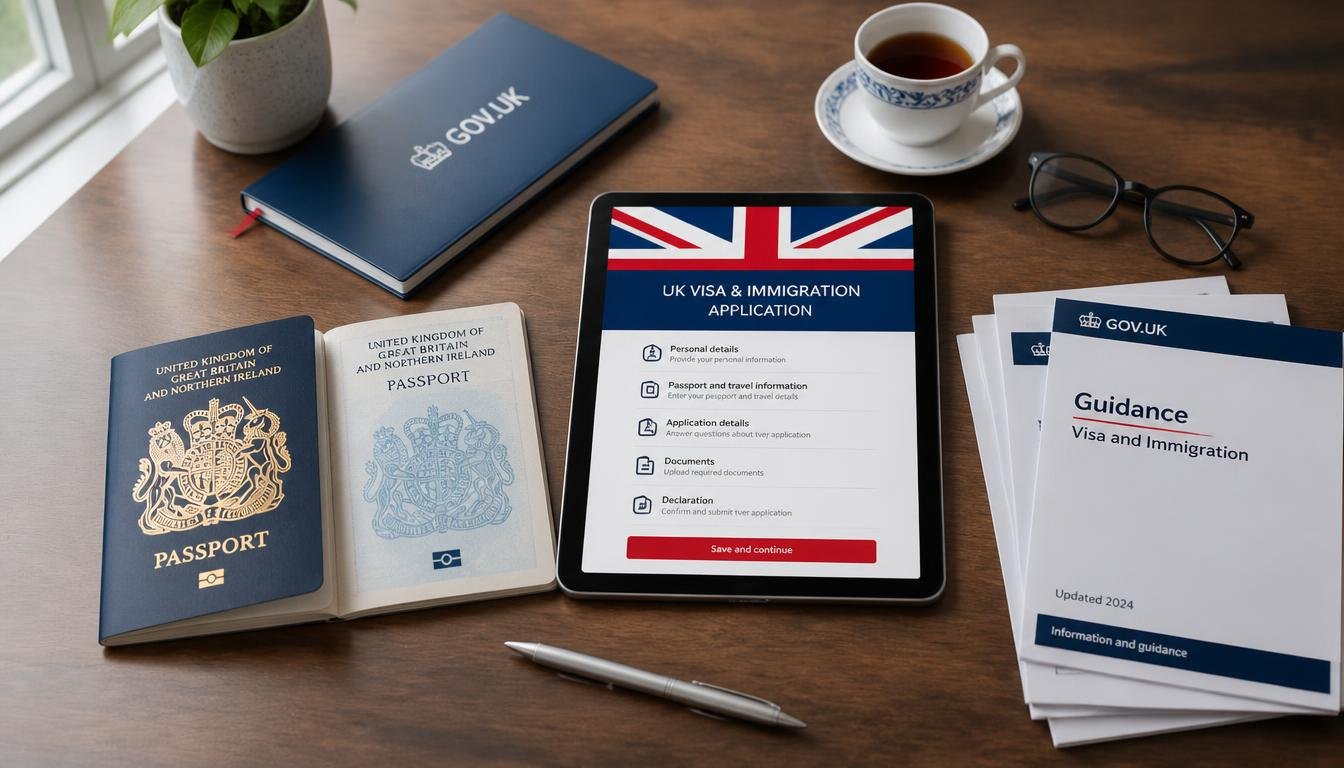
Understanding Council Housing
Council housing refers to government-subsidized housing, typically provided by local authorities, aimed at accommodating those in need, especially during times of economic hardship. The primary purpose of council housing is to ensure that everyone has access to safe and affordable living conditions. This is particularly vital for vulnerable groups, including single parents, who may be facing financial challenges.
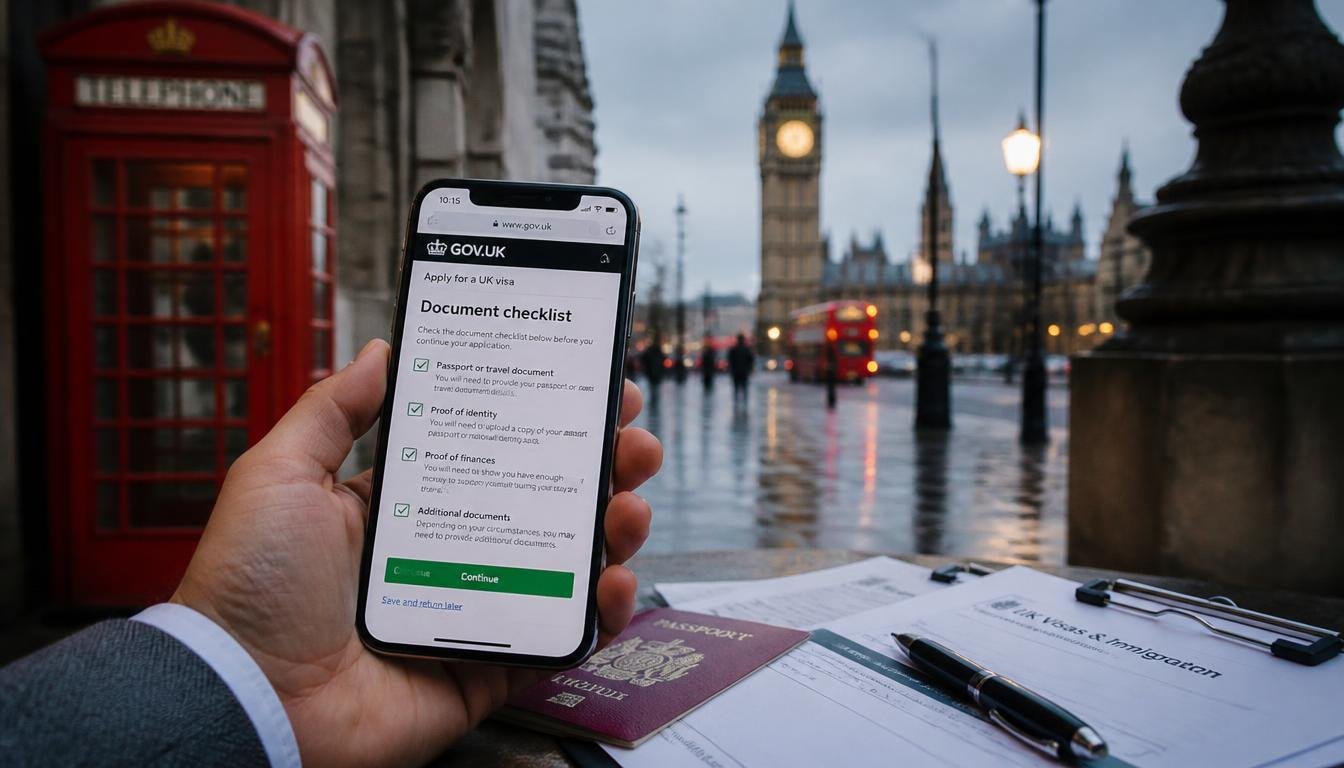
Eligibility for council housing often depends on various factors, including income level, family size, and specific circumstances such as homelessness or domestic abuse. Generally, local councils assess applications based on their criteria, which can differ from one region to another. Therefore, it’s essential for applicants, especially single parents, to familiarize themselves with their local council’s requirements and determine their qualification for housing assistance.
There are several types of council housing available, ranging from traditional family homes to sheltered accommodation designed for the elderly or those with disabilities. Councils may also offer flats and bedsits for individuals or small families. As a result of the ongoing housing crisis, there has been increased competition for these properties, making it crucial for applicants to understand the process and the support available to them.

During a time when the demand for affordable housing is at an all-time high, council housing serves as an essential lifeline for those in need. It provides not only shelter but also a sense of community and stability, which can be particularly beneficial for single parents working to provide a better life for themselves and their children. Thus, understanding council housing is a vital first step in navigating the application process efficiently.
Assessing Your Eligibility for Council Housing
When considering an application for council housing as a single parent, it is crucial to first assess your eligibility based on specific criteria set forth by local authorities. Understanding these requirements will streamline your application process and ensure that you meet the necessary guidelines.

Age is one of the significant factors in determining eligibility. Applicants must generally be at least 18 years old, as individuals below this age cannot legally enter into rental agreements. In some cases, local councils may have additional age restrictions, so it is advisable to verify with your relevant council.
Income thresholds also play a vital role in the eligibility assessment for council housing. Authorities often implement these thresholds to ensure that council properties are allocated to those most in need. Typically, this involves a means test that evaluates your total household income, including earnings from employment, benefits, and any other financial support. If your income exceeds the set threshold, you may be deemed ineligible for council housing assistance.

Other important factors include your current living situation and any special circumstances that may apply. For instance, if you are currently living in overcrowded or unsuitable conditions, this can significantly affect your eligibility. Local councils also consider specific needs related to health issues or disability, which may prioritize your application.
Moreover, it is advisable to gather documentation that supports your circumstances, such as proof of income, living arrangements, and any relevant medical reports. This documentation can enhance your application and support your case for eligibility effectively.

Understanding these criteria comprehensively will aid single parents in successfully navigating the application process for council housing. By preparing the necessary information and ensuring you meet eligibility requirements, you can improve your chances of securing appropriate housing for you and your children.
Gathering Necessary Documentation
When applying for council housing as a single parent, it is crucial to prepare a comprehensive set of documents that your local council will require to assess your application accurately. The primary objective is to provide evidence that supports your need for housing assistance and verifies your identity and circumstances.
First and foremost, you will need to present proof of your identity. This typically includes a government-issued identification document, such as a passport or driver’s license. Additionally, a birth certificate for any children involved may also be necessary, especially to establish your parental status and family structure.
Next, documentation demonstrating your residency is essential. This can be achieved through recent utility bills, a rental agreement, or a bank statement that clearly show your current address. Ensuring that the documents have your name and address will facilitate the verification process.
Income verification is another critical element of the application process. You will be asked to provide payslips from your employer, tax returns, or social security documents that reflect your income level. If you receive benefits or support, documentation from the relevant authorities can also support your application.
Moreover, many councils may request additional information that explains your current living situation or any challenges you face as a single parent. This could include letters from social services, health professionals, or other community services that provide insight into your housing need. Having this documentation ready will not only streamline your application but also strengthen your case.
Lastly, it’s advisable to check with your local council regarding any specific documentation requirements they may have. This varies between areas, and being proactive will help you gather everything needed. By organizing these essential documents, you can ensure a smoother application process for council housing.
Completing the Council Housing Application Form
Filling out the council housing application form can be a critical step in securing adequate housing, especially for single parents who may face unique challenges. It is essential to approach this task carefully to ensure that all necessary information is accurately represented. A well-completed application can significantly enhance the chances of being assessed favorably for housing assistance.
Begin by gathering all relevant documentation before starting the application. This may include identification documents, details about your current living situation, and information regarding your income and expenses. Having these documents at hand will enable you to provide precise information when required.
As you fill out the council housing application form, pay close attention to each section. It is important to provide accurate and honest answers to ensure that your application reflects your genuine current circumstances. This includes filling out your personal details, housing history, and any specific requirements resulting from your status as a single parent.
One common mistake applicants make is overlooking the importance of supporting information. Many councils require additional notes or evidence to support claims made within the application form. If you have specific needs, such as adapted housing due to a disability or special considerations related to your children, be sure to document this information clearly and provide any relevant evidence.
Also, check for precise and complete contact information, as this will streamline any communication with the housing authority after submission. Miscommunication can lead to unnecessary delays, so double-check the details you provide.
Lastly, once the application is completed, consider having someone else review it for clarity and completeness. They may spot errors or omissions that you might have missed. This extra step can be invaluable in ensuring that your application is as strong as possible.
By following these tips and avoiding common pitfalls, you can maximize the effectiveness of your council housing application and take an important step toward securing suitable housing for you and your family.
Submitting Your Application
When applying for council housing as a single parent, the first step involves deciding on the method of application. Most councils now offer an online application process, which is generally the most convenient option. This method allows applicants to fill out the necessary forms, upload required documents, and submit their applications from the comfort of their own homes. To begin, visit the official website of your local council, where you can typically find a dedicated section for housing applications.
If you prefer a physical submission, you can request a paper application form from your local council office. It is advisable to ensure that you fill out all sections of the form accurately and completely, to prevent any delays. Once you have filled out the form, you can return it in person or send it via postal mail. Be mindful of the deadlines for submission, as failure to submit your application on time may result in a delayed processing of your housing request.
While completing the application, make sure to use clear and concise language to describe your situation as a single parent. This clarity is essential, as it helps the reviewing officers understand your housing needs better. Additionally, providing supporting documentation, such as income statements or identification proofs, can enhance your application. Each local authority may have specific requirements, so it’s crucial to check their guidelines.
Once your application has been submitted, you should be able to track its status. Many councils provide an online portal where you can log in using your application number to view real-time updates. If online tracking is not available, you can always contact your housing officer directly. It is important to maintain communication with the housing office, especially if there are any changes in your circumstances that could affect your housing application.
Preparing for the Housing Assessment Interview
When preparing for your housing assessment interview as a single parent seeking council housing, it is essential to understand what to expect during this crucial meeting. The housing assessment interview is designed to thoroughly evaluate your circumstances and housing needs. Being well-prepared can help ensure that you present your situation effectively.
First, familiarize yourself with the types of questions that may be asked during the interview. Typically, you can expect inquiries regarding your current living situation, family dynamics, and financial status. For example, interviewers may ask about your current accommodation’s suitability for your family’s size and needs. They will likely explore whether your current housing is secure and safe for you and your children.
Additionally, be ready to discuss your income sources, any benefits you may be receiving, and your overall financial situation. This information is critical in determining your eligibility for council housing and the type of accommodation that may be available to you. It is advisable to gather any documents that support your claims, such as pay slips, benefit statements, or a letter from your landlord if applicable.
Moreover, consider how to present your case persuasively. Highlighting the challenges you face as a single parent can strengthen your application. Articulate any specific needs or vulnerabilities your family experiences, such as health issues or mobility requirements, which may necessitate urgent housing assistance.
Finally, practice your answers to common questions with a friend or family member. This rehearsal can help you speak confidently about your situation during the assessment interview. Remember, being truthful and transparent is vital, as this will build credibility and trust with your assessor, ultimately aiding in your quest for suitable council housing.
Understanding Your Rights and Responsibilities
When applying for council housing, it is crucial for single parents to be aware of their rights as well as the responsibilities associated with tenancy. Each applicant has the right to fair and equitable treatment throughout the application process, as outlined in the local council’s housing policy. This encompasses the right to receive assistance, guidance, and information about the housing options available.
Once a single parent secures a council property, it is essential to understand the obligations tied to the tenancy. Council tenants are required to pay rent on time, maintain the property in good condition, and adhere to the terms of the tenancy agreement. This agreement typically includes clauses regarding noise levels, property care, and the maintenance of communal spaces, with all tenants expected to respect these standards to foster a harmonious living environment.
Moreover, single parents should be informed about their obligations regarding the council’s housing management policies. This often involves reporting any repairs needed in a timely manner and informing the council of any changes to personal circumstances that could affect eligibility for housing benefits or tenancy. Ensuring compliance with these responsibilities not only helps in maintaining a stable housing situation but also in protecting one’s rights as a tenant.
Additionally, applicants are encouraged to seek support or clarification on any aspects of their rights and responsibilities. Various local organizations and council advisors can provide valuable assistance, helping to navigate the complexities of the housing system. Understanding these elements can significantly contribute to a positive experience in council housing.
Overall, knowledge of rights and responsibilities in the council housing system is paramount for single parents, not only to secure adequate housing but also to maintain a sustainable living situation that upholds their family’s needs.
What to Do If Your Application Is Refused
The experience of having a council housing application refused can be disheartening. However, it is essential to understand the actions you can take following such a decision. First and foremost, review the reasons for the refusal carefully. Local authorities are required to provide a detailed explanation of their decision, which enables you to identify whether there were any errors or misunderstandings in your application.
If you believe that your application was wrongly refused, you have the right to appeal the decision. The appeals process typically involves specific steps that need to be followed meticulously. Start by gathering all relevant documentation such as your original application, correspondence from the local authority, and any supporting evidence that you feel demonstrates your need for housing. This may include financial statements, letters from social services, or any other pertinent records.
It is advisable to write a formal letter of appeal to the housing department, clearly outlining your case and referencing the reasons for the initial refusal. Make sure to adhere to any deadlines set by your local council, as failing to do so may jeopardize your appeal rights. Some councils provide specific forms for appeals, and it is critical to use them if available.
In cases where the appeal is still unsuccessful, consider asking for a review of the decision or an independent adjudication. Many councils have a review process that might yield a different outcome. Meanwhile, researching alternative housing options is also prudent. Explore other housing benefits or schemes available to single parents, as there may be alternative routes that can provide you with the housing support you need.
In conclusion, when faced with a refused council housing application, your immediate steps include thoroughly understanding the refusal reasons, exercising your right to appeal, and exploring available alternatives to secure suitable accommodation for you and your family.
Additional Resources and Support for Single Parents
Navigating the housing application process as a single parent can be challenging, often requiring support beyond what is available through standard housing allocations. Fortunately, there are numerous resources and organizations designed to assist in this endeavor. Understanding these options can greatly enhance a single parent’s likelihood of securing suitable housing.
Charities such as Shelter and Crisis offer vital support for individuals experiencing housing difficulties. They provide advice, legal guidance, and even practical assistance with housing applications. Their websites offer a wealth of online resources that can guide single parents through the often-overwhelming process of seeking stable accommodation. Additionally, local charities might be able to provide emotional support or financial assistance for eligible families.
Community organizations also play a significant role in offering support. Many local councils have dedicated teams that work with single-parent families to help them identify their housing needs. These teams can provide personalized assistance, ensuring that every single parent’s unique situation is considered when applying for housing. Furthermore, these organizations often host workshops aimed at teaching valuable skills and information related to housing applications and other welfare benefits that can alleviate the financial burden.
Government programs, such as the Housing Benefit and the Universal Credit scheme, can also offer substantial assistance to single parents facing financial hardships. It is advisable to stay informed about eligibility criteria and the specific support available in your area. By checking the official government website, single parents can access the latest information on benefits available to them.
Overall, leveraging these resources can significantly impact a single parent’s journey towards securing housing. By reaching out to charities, local organizations, and government programs, individuals can find the support they need during this transitional period.