

Can You Get PIP and State Pension at the Same Time?
Introduction: PIP and State Pension Together
Many people ask: can you get PIP and State Pension at the same time? The short answer is yes — but only if you were already getting PIP before you reached State Pension age. This is an independent guide. We are not a government body.
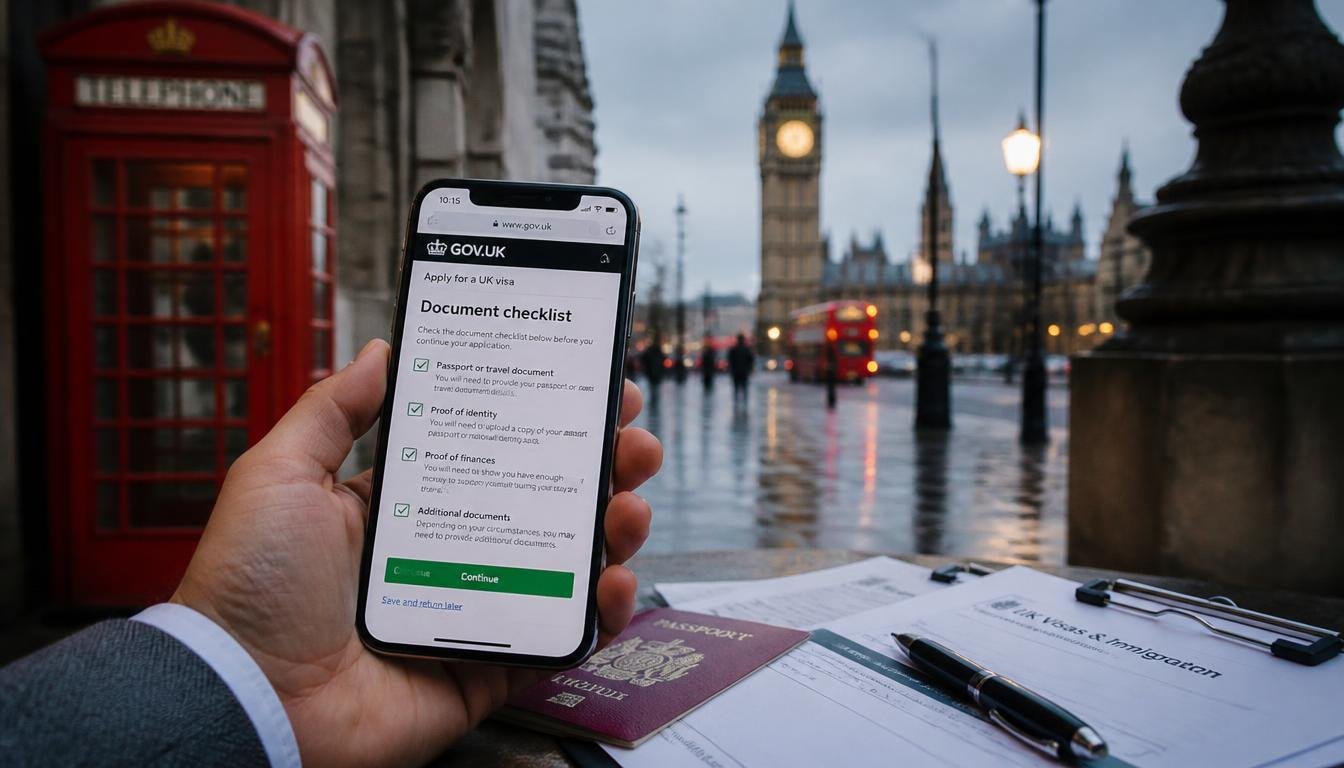
Quick answer: If you claimed PIP before State Pension age and your award continues, you can receive PIP and State Pension together. You cannot usually make a new PIP claim after reaching State Pension age. Instead, you may be able to claim Attendance Allowance.
Disclaimer: This is an independent informational website. We are not affiliated with, endorsed by, or connected to the DWP, HMRC, any UK government body or local council. Information is for general guidance only and is not financial or legal advice. Always check GOV.UK for the latest official information.

[LAST CHECKED: 10 October 2026]
Who can claim PIP and State Pension together?
You may be able to get both PIP and State Pension at the same time if you meet certain conditions. The rules depend on when you claimed PIP, not on your income or savings.
You claimed PIP before State Pension age. If you were awarded PIP before you reached State Pension age, your payments usually continue after you reach that age, as long as you still meet the eligibility conditions.
Your PIP award is still active. PIP is not means-tested. It does not depend on your income, savings, or the State Pension you receive. The two benefits are paid separately.
You still meet the PIP eligibility conditions. PIP is based on how your condition affects your daily living and mobility needs, not on the condition itself. If your needs change, your award may be reviewed.

If you have already reached State Pension age and are not already getting PIP, you cannot usually make a new claim. Instead, you may be able to claim Attendance Allowance. Attendance Allowance is for people who have reached State Pension age and need help with personal care because of a disability or illness.
Nation differences:
Scotland: Adult Disability Payment (ADP) has replaced PIP for new claims in Scotland. You can apply for ADP if you are between 16 and State Pension age. If you were already getting ADP before State Pension age, it continues afterwards.
Wales: PIP rules are the same as in England.
Northern Ireland: PIP rules are the same as in England, administered by the Department for Communities.
If you are already getting PIP and you reach State Pension age, you do not need to do anything. Your payments should continue automatically.
For more information, see our guide to Attendance Allowance.
How much could you get?

PIP and State Pension are paid separately. Your State Pension is based on your National Insurance record. PIP is based on your care and mobility needs.
PIP has two components: daily living and mobility. Each component can be paid at a standard or enhanced rate. [VERIFY: current 2026/27 PIP rates with GOV.UK].
Attendance Allowance, which you may be able to claim if you are over State Pension age and not getting PIP, is paid at two rates depending on your needs. It does not include a mobility component.
The State Pension is a regular payment. [VERIFY: current 2026/27 State Pension rates with GOV.UK].
Getting PIP does not reduce your State Pension. The two benefits are completely separate.
How to apply: step by step
If you are under State Pension age and think you may be eligible for PIP, you should claim before you reach State Pension age. This is important because you cannot usually make a new claim after that point.
Check your State Pension age. Use the State Pension age checker on GOV.UK to find out when you will reach State Pension age.
Start your PIP claim before State Pension age. You can claim PIP by phone or by post. [VERIFY: current PIP claim phone number and process with GOV.UK].
Complete the PIP questionnaire. You will be asked how your condition affects your daily living and mobility. Be honest and specific.
Attend an assessment if asked. You may need a telephone, video, or face-to-face assessment.
If you are already over State Pension age and not getting PIP, consider claiming Attendance Allowance instead.
Documents you’ll need
Your bank details (sort code and account number)
Details of your GP and any specialists you see
Information about your condition and how it affects you
Details of any medication you take
For more help, see our guide to completing a PIP application.
Common mistakes that delay or reduce claims
Waiting until after State Pension age to claim PIP. This is the biggest mistake. Once you reach State Pension age, you cannot usually start a new PIP claim.
Assuming you cannot get PIP because you get State Pension. PIP is not means-tested. You can get both.
Not reporting changes in your condition. If your needs get worse or better, tell the DWP. This could affect your award.
Confusing PIP with Attendance Allowance. They are different benefits with different rules. Attendance Allowance has no mobility component.
Not keeping your address up to date. If you move, tell the DWP so your payments are not delayed.
If you think you may be eligible for PIP but are approaching State Pension age, claim as soon as possible.
If you need help with a benefit decision, see our guide to mandatory reconsideration.
What happens after you apply?
Timelines: PIP claims can take several weeks to process. [VERIFY: current PIP claim processing times with GOV.UK]. You may need an assessment before a decision is made.
Payments: If you are awarded PIP, it is usually paid every four weeks. Your State Pension continues to be paid separately, usually every four weeks.
Reviews: If you were getting PIP before State Pension age, your award may become an indefinite award with a light-touch review every ten years.
If you are refused PIP: You can ask for a mandatory reconsideration. This is a formal way to challenge the decision. You usually have one month from the date of the decision letter to ask. [VERIFY: exact deadline with GOV.UK].
If you are still unhappy after a mandatory reconsideration, you may be able to appeal to an independent tribunal.
Related support you might be missing
If you get PIP or Attendance Allowance, you may be able to get other help.
Pension Credit: A means-tested benefit for people over State Pension age on a low income. Getting PIP does not affect Pension Credit.
Carer’s Allowance: If someone cares for you for at least 35 hours a week, they may be able to claim Carer’s Allowance. [VERIFY: eligibility rules with GOV.UK].
Council Tax Reduction: You may be able to get help with your Council Tax if you are on a low income.
Winter Fuel Payment: A payment to help with heating costs for people over State Pension age. [VERIFY: eligibility with GOV.UK].
For more help, see our guide to benefits for older people.
Quick summary checklist
You can get PIP and State Pension together if you claimed PIP before State Pension age.
PIP is not means-tested and does not reduce your State Pension.
You cannot usually make a new PIP claim after State Pension age.
If you are over State Pension age, consider Attendance Allowance.
In Scotland, Adult Disability Payment replaces PIP for new claims.
FAQs
Can you get PIP and State Pension at the same time?
Yes, if you were already getting PIP before you reached State Pension age. Your PIP payments usually continue as long as you still meet the eligibility conditions. The two benefits are paid separately and PIP is not means-tested.
Can I claim PIP after State Pension age?
No, you cannot usually make a new PIP claim after reaching State Pension age. If you are over State Pension age and need help with personal care, you may be able to claim Attendance Allowance instead. Attendance Allowance does not include a mobility component.
Does getting PIP affect my State Pension?
No. PIP and State Pension are separate benefits. Getting PIP does not reduce your State Pension, and your State Pension does not reduce your PIP. Both are paid in full if you are eligible for both.
What is the difference between PIP and Attendance Allowance?
PIP is for people aged 16 to State Pension age. It has daily living and mobility components. Attendance Allowance is for people over State Pension age. It has no mobility component and is based only on care needs.
What happens to my PIP when I reach State Pension age?
If you are already getting PIP when you reach State Pension age, your payments usually continue. You do not need to reapply. Your award may become an indefinite award with a light-touch review every ten years.
Conclusion
The key point is simple: you can get PIP and State Pension at the same time if you claimed PIP before State Pension age. PIP continues after you reach State Pension age as long as you still meet the eligibility conditions. If you are approaching State Pension age and think you may be eligible for PIP, claim before you reach that age. If you are already over State Pension age, check whether you may be able to claim Attendance Allowance instead.
For more help, see our guides to Attendance Allowance and Pension Credit.