
Higher Income Child Benefit Charge: 2026 Guide
Introduction: What is the higher income child benefit charge?
The higher income child benefit charge (HICBC) is a tax charge that claws back Child Benefit from families where one partner earns above a set threshold. This independent guide explains how the charge works in 2026/27, who is affected, and how to pay it without falling into common traps.
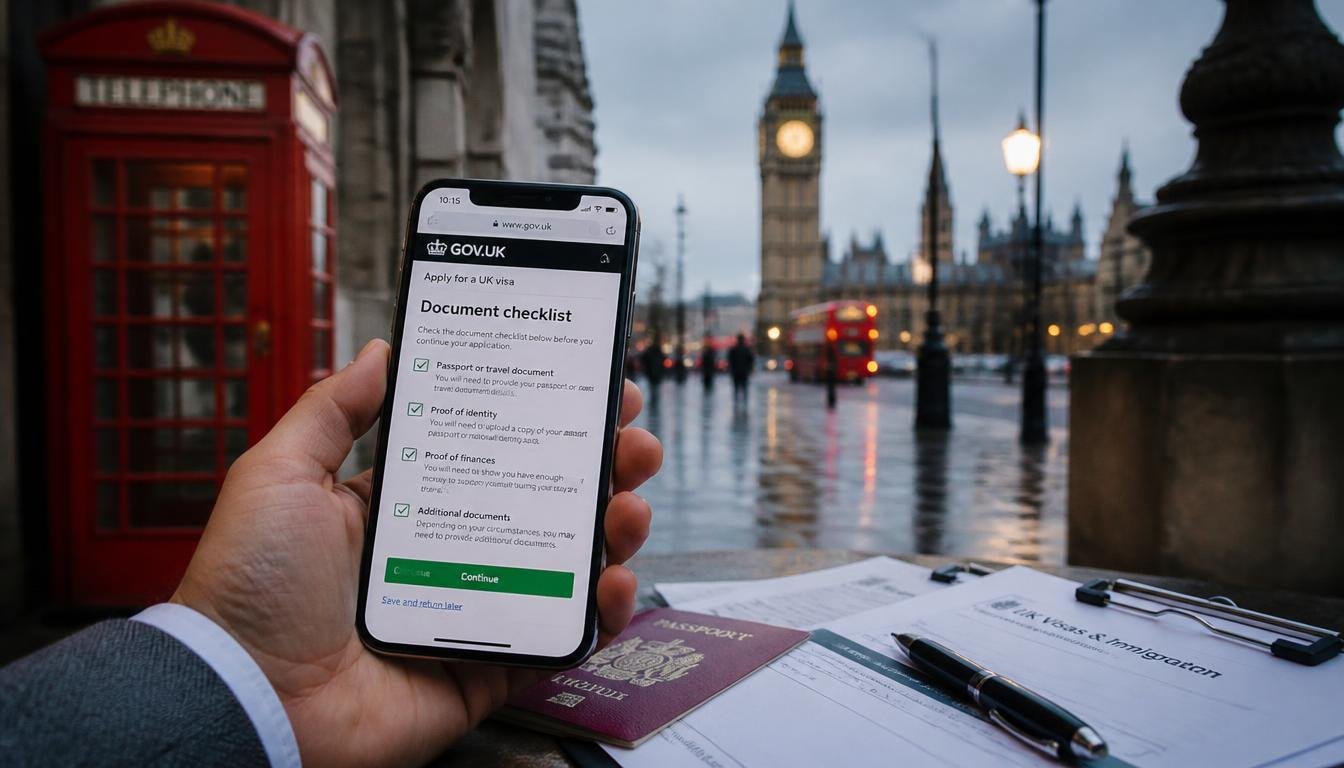
Quick answer: If you or your partner has an adjusted net income over £60,000, you may have to pay the higher income child benefit charge. The charge is 1% of your Child Benefit for every £200 you earn over £60,000. At £80,000, the charge equals your entire Child Benefit payment. The charge is based on the higher earner’s income, not household income — so a couple earning £50,000 each pays nothing, while a single parent earning £65,000 may pay the charge.
Disclaimer: This is an independent informational website. We are not affiliated with, endorsed by, or connected to the DWP, HMRC, any UK government body or local council. Information is for general guidance only and is not financial or legal advice. Always check GOV.UK for the latest official information.

[LAST CHECKED: 9 October 2026]
Who is affected by the higher income child benefit charge?
The HICBC applies based on the higher earner’s adjusted net income. This is not the same as your salary. It includes taxable wages, self-employed profits, pension income, rental income, dividends, savings interest, and taxable benefits like a company car or medical insurance.
You may be affected if you or your partner:
Claims Child Benefit for a child you are responsible for
Has an adjusted net income over £60,000 in the 2026/27 tax year
Is the higher earner in your household
Key point: The charge is based on the higher earner alone, not household income. A couple each earning £55,000 (household income £110,000) pays nothing. A single earner on £62,000 supporting a family pays the charge. This design is widely criticised but it is the law. [VERIFY: any announced future changes to household basis on GOV.UK].
Nation differences: The HICBC is a UK-wide tax charge administered by HMRC. It applies in England, Scotland, Wales and Northern Ireland. Scottish Income Tax rates do not change how the charge is calculated — it is based on adjusted net income, not the tax rate you pay.
End of section. For more on who can claim Child Benefit, see our guide to Child Benefit Eligibility.
How much could you get? (2026/27 figures)
Child Benefit rates 2026/27:
£27.05 per week for your eldest or only child (£1,406.60 a year)
£17.90 per week for each additional child (£930.80 a year)
HICBC taper for 2026/27:
£60,000 or below: No charge
£60,001 to £79,999: 1% of Child Benefit for every £200 over £60,000
£80,000 or above: Full Child Benefit clawed back
Worked example: You have two children and receive £2,337.40 in Child Benefit for the year. Your adjusted net income is £65,000 — £5,000 over the threshold. £5,000 ÷ £200 = 25. So 25% of your Child Benefit is clawed back: £584.35. You would repay this through Self Assessment.
Warning: The charge is based on the higher earner’s income only. If you and your partner both earn £59,000, you pay nothing — even though your household income is £118,000.
End of section. For a full list of Child Benefit rates, see our guide to Child Benefit Rates 2026/27.
How to pay the higher income child benefit charge
Step 1: Work out your adjusted net income
Add up all your taxable income: salary, bonuses, self-employed profits, rental income, dividends, savings interest, and taxable benefits. Then deduct pension contributions made from gross pay or with tax relief, and Gift Aid donations (grossed up). The result is your adjusted net income.
Step 2: Use the GOV.UK calculator
Search for “Child Benefit tax calculator” on GOV.UK. The tool is free and estimates both your Child Benefit payments and the HICBC you may owe. You will need the dates your Child Benefit claim started and stopped, and your income details.
Step 3: Choose how to pay
You have two options:
Option A: Self Assessment. If you already file a tax return, you must report the charge there. If you do not already file, you must register by 5 October after the end of the tax year. For 2026/27, the registration deadline is 5 October 2027.
Option B: PAYE tax code. If you do not need to file a Self Assessment return for any other reason, you can apply online for HMRC to adjust your tax code so you pay the HICBC through PAYE. HMRC has a new digital service for this.
Step 4: Pay on time
If you pay through Self Assessment, the deadline for online returns is 31 January following the end of the tax year. Late payment triggers interest and penalties.
Documents you’ll need — checklist
- □
Your adjusted net income figure for the tax year
- □
Your Child Benefit award notice (shows weekly and annual amounts)
- □
Dates your Child Benefit claim started and stopped (if applicable)
- □
- □
Your Government Gateway login (for online services)
- □
Your partner’s income details (if you need to check who is the higher earner)
End of section. For help with Self Assessment, see our guide to Self Assessment for Beginners.
Common mistakes that lead to unexpected tax bills
Assuming you are not affected because you earn under £60,000. The charge is based on the higher earner’s income, not yours. If your partner earns over £60,000, you may owe the charge even if you claim the benefit.
Forgetting to include taxable benefits in your income. Adjusted net income includes company cars, medical insurance, and other taxable benefits. These can push you over the threshold.
Not registering for Self Assessment in time. If you are liable for the HICBC and do not already file a tax return, you must register by 5 October after the end of the tax year. Missing this deadline can trigger penalties.
Opting out of Child Benefit payments without understanding the consequences. You can choose not to receive Child Benefit to avoid the charge, but you may miss out on National Insurance credits that protect your State Pension. You should still fill in the claim form and state you do not want payments — this keeps your NI credits and ensures your child receives a National Insurance number automatically at 16.
Paying the charge late. HMRC charges interest and penalties for late payment. If you cannot pay in full, contact HMRC to set up a payment plan.
End of section. If you have received a penalty, see our guide to HMRC Penalties Explained.
What happens after you apply?
Timelines: The GOV.UK calculator gives an instant estimate. If you are liable, you must report the charge through Self Assessment. The deadline for online returns is 31 January following the end of the tax year. [VERIFY: current Self Assessment deadlines on GOV.UK].
How payments work: If you pay through PAYE, HMRC adjusts your tax code to collect the charge across the year. From 2026/27 onwards, the HICBC is collected in the tax year to which it relates. If you pay through Self Assessment, you pay in one lump sum or via payments on account.
If you disagree with HMRC: You can request a review or appeal if you believe the charge is wrong. You usually have 30 days from the date of the decision to appeal. [VERIFY: current appeal time limits on GOV.UK].
If your income falls: If your income drops below £60,000, you may no longer be liable. You may wish to restart Child Benefit payments if you opted out. If you no longer meet the criteria for Self Assessment, you can ask HMRC to withdraw the requirement to file a tax return.
End of section. For appeals, see our HMRC Appeals Guide.
Related support you might be missing
National Insurance credits: Claiming Child Benefit gives you credits that count towards your State Pension until your child turns 12. Even if you opt out of payments, you can still claim credits.
Marriage Allowance: If you are married or in a civil partnership and one partner earns under the Personal Allowance, you may be able to transfer £1,260 of allowance to reduce tax. [VERIFY: current Marriage Allowance rate].
Pension contributions: Paying into a pension reduces your adjusted net income. This can bring you below the £60,000 threshold and reduce or eliminate the HICBC. For a family with three children, the combined effect of pension relief and recovered Child Benefit can exceed a 70% effective return on the contribution.
Gift Aid donations: Donating to charity through Gift Aid also reduces your adjusted net income for HICBC purposes.
Quick summary checklist
Check your adjusted net income — not just your salary.
The higher earner pays the charge, regardless of who claims Child Benefit.
Use the GOV.UK calculator before filing your tax return.
Register for Self Assessment by 5 October if you do not already file.
Consider pension contributions to reduce your adjusted net income.
Always claim Child Benefit even if you opt out of payments — the NI credit is valuable.
FAQs
What is the higher income child benefit charge threshold for 2026/27?
The threshold is £60,000 of adjusted net income. The charge tapers to zero at £80,000. These thresholds have applied since 6 April 2024 and continue for 2026/27.
Do I pay the charge if my partner earns over £60,000 but I claim Child Benefit?
Yes. The charge is based on the higher earner’s income, not the claimant’s. If your partner earns over £60,000, they are liable for the charge even if you receive the payments.
Can I avoid the charge by opting out of Child Benefit?
You can opt out of receiving payments, but you should still claim Child Benefit so you keep National Insurance credits. This protects your State Pension and ensures your child gets a National Insurance number automatically at 16.
How do I pay the higher income child benefit charge?
You can pay through Self Assessment or through your PAYE tax code. If you already file a tax return, you must report the charge there. If you do not file for any other reason, you can apply online for HMRC to adjust your tax code.
Is the higher income child benefit charge different in Scotland?
No. The HICBC is a UK-wide tax charge administered by HMRC. Scottish Income Tax rates do not change how the charge is calculated. It is based on adjusted net income.
Conclusion
The higher income child benefit charge affects families where one partner earns over £60,000. The charge is based on the higher earner’s adjusted net income, not household income, and it is collected through Self Assessment or your PAYE tax code. The most important thing to remember is: always claim Child Benefit, even if you opt out of payments, because the National Insurance credit is worth more than the charge. Check your adjusted net income, use the GOV.UK calculator, and consider pension contributions to reduce your income below the threshold.
For more help, see our guides to Child Benefit, Self Assessment, and Tax on Child Benefit.