

Requirements for UK Naturalisation 2026: Your Complete Guide to British Citizenship
Disclaimer: This is an independent informational portal. We are not affiliated with, endorsed by, or connected to any UK government body, council, or the Home Office. All information is provided for guidance purposes only. Always check the official GOV.UK website for the most up-to-date and legally binding information.
Introduction
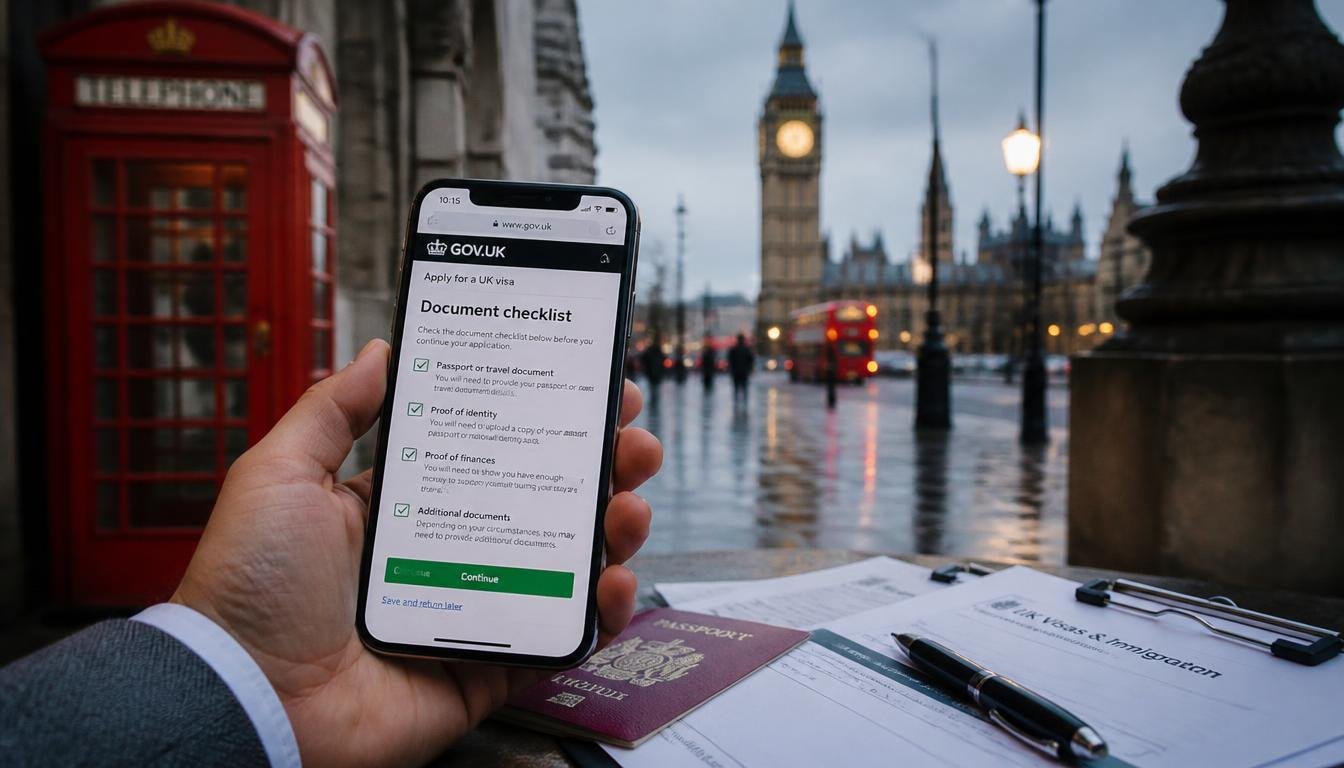
If you’re thinking about becoming a British citizen, you’ve probably already realised that the requirements for UK naturalisation 2026 are more than just a box-ticking exercise. Naturalisation is the final step in your immigration journey, and it opens the door to a British passport, full voting rights, and the ability to live in the UK without any immigration restrictions.
This guide breaks down every requirement you need to meet, from residence rules to the Life in the UK Test. We’ll also cover the current fees, processing times, and what happens if you don’t quite meet the criteria. Think of this as your plain-English roadmap—no jargon, no fluff, just the facts you need.
Who Can Apply for UK Naturalisation?

The rules for naturalisation are set out in the British Nationality Act 1981. The Home Office applies them strictly, but there is some discretion in certain cases.
The Core Eligibility Criteria
To qualify for naturalisation, you must generally:
Be aged 18 or over and of sound mind (“full capacity”).
Hold Indefinite Leave to Remain (ILR), EU Settled Status, or equivalent permanent residence status.
Have held that settled status for at least 12 months before applying (unless you’re married to a British citizen).
Have lived in the UK lawfully for 5 years before your application date (or 3 years if you’re married to or in a civil partnership with a British citizen).
Meet the residence requirements, including not exceeding the allowed number of absences.
Be of good character.
Pass the Life in the UK Test and meet the English language requirement at B1 level or above.
The 12-Month Rule (and the Exception)

The standard rule is that you must hold ILR for 12 months before you can apply for citizenship. However, if you are married to or in a civil partnership with a British citizen, you are exempt from this 12-month waiting period. You can apply as soon as you receive your ILR, provided you meet the shorter 3-year residence requirement.
Information gap: For a detailed breakdown of how the Home Office calculates your qualifying period and what counts as “lawful residence”, read our guide on UK residence requirements for naturalisation.
Residence Requirements: The 5-Year Rule and Absences
The residence requirement is one of the most misunderstood parts of the naturalisation process. It’s not just about living in the UK—it’s about being physically present in the UK at the right times.
The 5-Year Qualifying Period

You must have been physically present in the UK exactly 5 years before the date the Home Office receives your application. If you were abroad on that exact date, your application will be refused—no exceptions.
Absence Limits
Over the 5-year qualifying period, you must not have spent more than:
450 days outside the UK in total.
90 days outside the UK in the final 12 months before applying.
The “Lawful Residence” Requirement

All of your time in the UK during the qualifying period must have been lawful. This means you must not have overstayed a visa, worked without permission, or breached any immigration conditions. The Nationality and Borders Act 2022 made it easier to demonstrate lawful residence, but the Home Office still checks carefully.
Information gap: For a full breakdown of how absences are calculated and what happens if you exceed the limit, read our guide on UK absence rules for naturalisation.
The Knowledge of Language and Life (KoLL) Requirement
Every applicant for naturalisation must meet the Knowledge of Language and Life in the UK (KoLL) requirement. This has two parts: the Life in the UK Test and the English language requirement.
Life in the UK Test
The Life in the UK Test is a computer-based test that assesses your knowledge of British history, traditions, and laws.
Format: 24 multiple-choice questions.
Time: 45 minutes.
Pass mark: 75% (at least 18 correct answers).
Cost: £50.
Booking: You must book at least 3 days in advance.
Validity: A pass never expires.
You are exempt from the Life in the UK Test if you are:
Under 18 or aged 65 or over on the date of application.
Suffering from a long-term physical or mental condition that prevents you from taking the test.
An Irish citizen (in some cases).
English Language Requirement
You must demonstrate English at CEFR Level B1 or higher. You can do this by:
Passing an approved Secure English Language Test (SELT) at B1 level or above.
Holding a UK or overseas degree taught in English (you’ll need to provide proof via UK NARIC/ECCTIS).
Information gap: For a full list of approved English language tests and exemptions, read our guide on meeting the English language requirement for British citizenship.
The Good Character Requirement
The good character requirement is broad and applies to all applicants aged 10 or over. The Home Office assesses your entire background, including:
Criminal convictions (both in the UK and abroad).
Immigration compliance (overstaying, illegal entry, deception in previous applications).
Financial conduct (bankruptcy, unpaid debts to the Home Office, tax evasion).
Deception in any dealings with the Home Office or other public bodies.
The good character policy was updated on 30 April 2026, with clarifications on international obligations and illegal entry. Minor offences may be disregarded, but serious or repeated offences will normally lead to refusal.
Information gap: For a detailed look at what the good character requirement covers and how to address past issues, read our guide on the good character requirement for British citizenship.
How Much Does UK Naturalisation Cost in 2026?
The application fee for adult naturalisation using Form AN is £1,839, which includes the £130 citizenship ceremony fee. This fee is non-refundable if your application is refused.
| Item | Cost |
|---|---|
| Adult naturalisation (Form AN) | £1,839 |
| Priority service | +£500 |
| Private citizenship ceremony | £160–£250 (varies by council) |
| Life in the UK Test | £50 |
The fee is set by the Home Office and is subject to change. Always check GOV.UK for the most current fee before applying.
Processing Times: Standard vs Priority Service
The standard service aims to decide applications within 6 months. According to the most recent Transparency Data, 97.9% of applications are decided within this standard.
If you need a faster decision, the Home Office now offers a Priority Service for an additional £500. This service aims to provide a decision within 30 working days of your biometric submission. However, complex applications may still take longer.
Information gap: For a full comparison of the standard and priority services, including eligibility criteria, read our guide on UK citizenship priority processing.
Quick Reference: UK Naturalisation Requirements Checklist
☐ Aged 18 or over
☐ Held ILR/settled status for 12 months (or exempt)
☐ Lived in UK lawfully for 5 years (3 if married to British citizen)
☐ Physically present in UK 5 years before application date
☐ Not exceeded 450 days absence in 5 years / 90 days in 12 months
☐ Passed Life in the UK Test (or exempt)
☐ Met English language requirement (B1)
☐ Meets good character requirement
☐ £1,839 fee ready
☐ Two eligible referees confirmed
☐ Documents gathered
Frequently Asked Questions
How long do I need to hold ILR before applying for citizenship?
You must hold ILR for 12 months before applying, unless you are married to or in a civil partnership with a British citizen, in which case you can apply immediately.
What happens if I was outside the UK exactly 5 years before my application?
Your application will be refused. The Home Office requires you to have been physically present in the UK on that exact date. You must wait until you meet this requirement before reapplying.
Do I need to take the Life in the UK Test again if I already passed it for ILR?
No. A Life in the UK Test pass never expires. If you passed it for ILR, you can use the same certificate for your naturalisation application.
Can I apply for citizenship if I have a criminal conviction?
It depends on the nature and severity of the conviction. Minor offences may be disregarded, but serious or recent convictions will normally lead to refusal. The Home Office assesses each case individually.
How long does the naturalisation application take?
The standard service takes up to 6 months. The priority service costs an extra £500 and aims for a decision within 30 working days.
What is the citizenship ceremony?
If your application is approved, you’ll be invited to a ceremony at your local council. You’ll swear an oath of allegiance to His Majesty the King and pledge loyalty to the UK. You’ll then receive your Certificate of Naturalisation.
Conclusion
The requirements for UK naturalisation 2026 are clear, but they demand careful preparation. From meeting the residence rules to passing the Life in the UK Test and demonstrating good character, every element matters. The fee is significant at £1,839, and the process takes time—but the reward is full British citizenship and all the rights that come with it.
Start by confirming your eligibility, gather your documents early, and consider whether the priority service is right for you. For more guides on UK immigration, visas, and citizenship, explore our website. We’re here to help you every step of the way.