

Applying for British Citizenship After ILR: Your Complete 2026 Guide
Disclaimer: This is an independent informational portal. We are not affiliated with, endorsed by, or connected to any UK government body, council, or the Home Office. All information is provided for guidance purposes only. Always check the official GOV.UK website for the most up-to-date and legally binding information.
Introduction
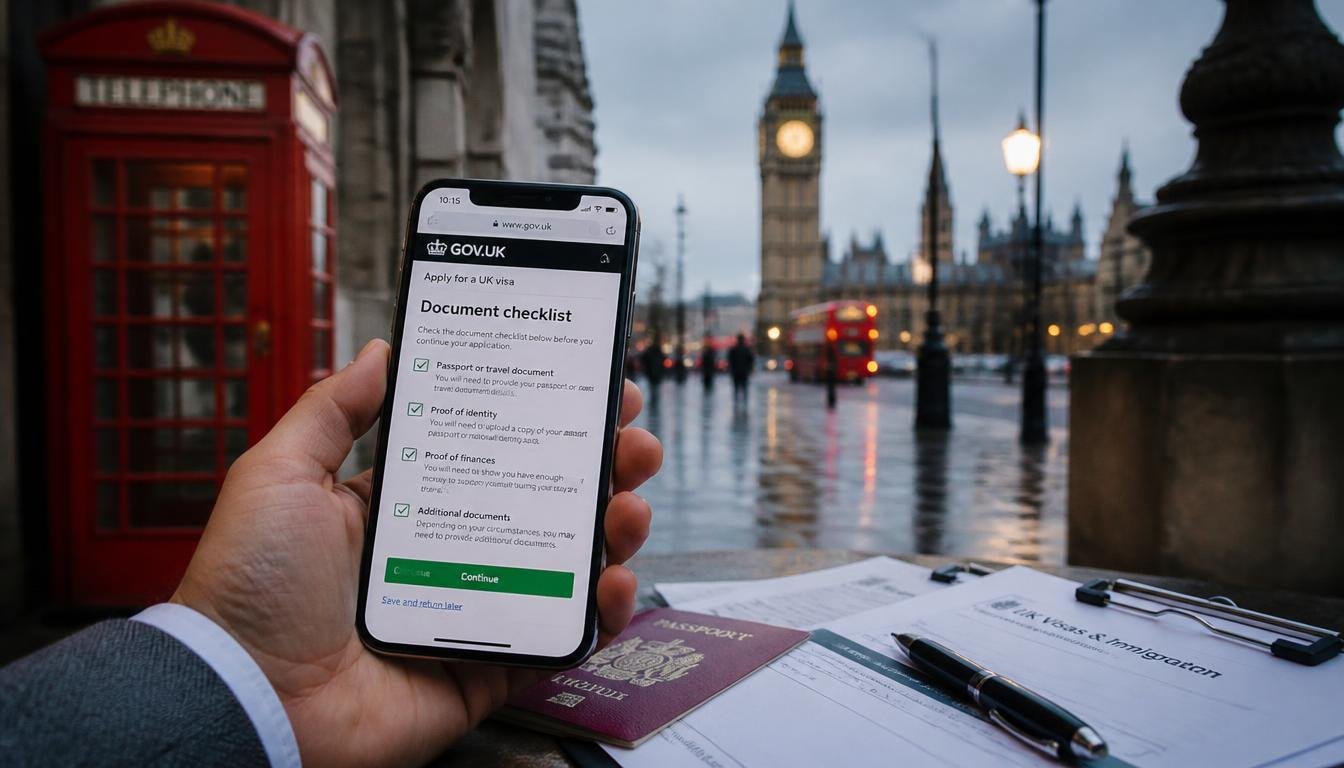
You’ve held Indefinite Leave to Remain (ILR) for a while now. You’ve built a life here, paid your taxes, and made the UK your home. The next step—applying for British citizenship after ILR—is a major milestone, but it can also feel like a bureaucratic mountain to climb.
This guide walks you through the entire naturalisation process, from confirming your eligibility to attending your citizenship ceremony. We’ll cover the documents you need, the fees you’ll pay, and the current processing times. Think of this as your friendly, jargon-free roadmap—written by people who understand that this isn’t just paperwork; it’s your future.
Am I Eligible for British Citizenship After ILR?

Before you start filling out forms, you need to confirm you meet the Home Office’s requirements. The rules are strict, but they’re also clear.
The Core Eligibility Requirements
To apply for naturalisation as a British citizen, you generally must:
Be aged 18 or over and of sound mind (“full capacity”).
Hold ILR or EU Settled Status for at least 12 months before applying.
Have lived in the UK lawfully for 5 years before the application date (or 3 years if you are married to or in a civil partnership with a British citizen).
Meet the residence requirements: You must not have spent more than 450 days outside the UK in the last 5 years, or more than 90 days in the last 12 months.
Be of good character (more on this below).
Pass the Life in the UK Test and meet the English language requirement at B1 level or above.
The 12-Month Wait (and the Exception)

The standard rule is that you must hold ILR for 12 months before you can apply for citizenship. However, if you are married to or in a civil partnership with a British citizen, you are exempt from this 12-month waiting period. You can apply as soon as you receive your ILR, provided you meet the 3-year residence requirement.
Information gap: For a full breakdown of how absences are calculated and what “lawful residence” means in practice, read our guide on UK residence requirements for naturalisation.
Your Documents Checklist
Gathering documents is often the most stressful part of the application. The Home Office has strict requirements, so it pays to be thorough.
Essential Documents

You will typically need to provide:
Your current passport (all pages with stamps and visa information).
Your Biometric Residence Permit (BRP) or eVisa proof of settled status.
Proof of ILR: Your BRP or a Home Office letter confirming your status.
Life in the UK Test certificate.
English language test certificate (B1 SELT) or a UK degree taught in English.
Two referees who have known you for at least 3 years (see below).
Proof of residence: Council tax bills, utility bills, tenancy agreements, HMRC letters, or employer letters covering the qualifying period.
The Referee Requirement
You need two referees for an adult application. Both must have known you personally for at least 3 years, be aged 18 or over, and not be related to you by birth or marriage.
Referee 1 must be a British citizen, a British passport holder, and either a professional person or over the age of 25.
Referee 2 must be a professional person or over the age of 25.
Information gap: For a detailed list of acceptable professional referees and what happens if your referee is disqualified, read our guide on choosing referees for British citizenship.
The Application Process: Step by Step

The application is made online through the GOV.UK website using Form AN.
Step 1: Confirm Your Eligibility
Use the Home Office eligibility checker on GOV.UK to confirm you meet all requirements. This is a quick sanity check before you pay any fees.
Step 2: Pay the Fee
The application fee for adult naturalisation is £1,839, which includes the £130 citizenship ceremony fee. This fee is non-refundable if your application is refused.
Step 3: Complete Form AN Online
You’ll fill in your personal details, immigration history, employment history, and details of your referees. Be honest and thorough—discrepancies can delay or derail your application.
Step 4: Upload Supporting Documents
You can upload copies of your documents into the online service or have them scanned at your UKVCAS appointment (UK Visa and Citizenship Application Services).
Step 5: Attend Your Biometrics Appointment
You’ll be asked to make an appointment at a UKVCAS service point to provide your fingerprints and a photograph.
Step 6: Wait for a Decision
The standard service aims to decide applications within 6 months. A priority service is now available for £500, with decisions normally within 30 working days from biometric submission.
Step 7: Attend Your Citizenship Ceremony
If approved, you’ll receive an invitation to a ceremony at your local council. You must attend within 3 months of the invitation. You’ll swear an oath of allegiance to His Majesty the King and pledge loyalty to the UK. You’ll then receive your Certificate of Naturalisation.
Information gap: For a full breakdown of the priority service, including which applicants are eligible, read our guide on UK citizenship priority processing.
Fees, Processing Times, and What to Expect
| Item | Cost / Timeframe |
|---|---|
| Adult naturalisation fee | £1,839 (includes ceremony) |
| Priority service | +£500 |
| Standard processing | Up to 6 months |
| Priority processing | ~30 working days |
| Private ceremony | £160–£250 (varies by council) |
The standard service meets its 6-month target for 97.9% of applications, according to recent Transparency Data.
Quick Reference: Your ILR to Citizenship Checklist
☐ Held ILR for 12 months (or exempt)
☐ Lived in UK for 5 years (3 if married to British citizen)
☐ Not exceeded 450 days absence in 5 years / 90 days in 12 months
☐ Passed Life in the UK Test
☐ Met English language requirement (B1)
☐ Two eligible referees confirmed
☐ £1,839 fee ready
☐ Documents gathered and scanned
☐ Biometrics appointment booked
Frequently Asked Questions
Can I apply for British citizenship immediately after getting ILR?
Only if you are married to or in a civil partnership with a British citizen. Otherwise, you must hold ILR for 12 months before applying.
How long does the application take?
The standard service is up to 6 months. The priority service costs £500 extra and aims for a decision within 30 working days.
Do I need to pay the NHS surcharge again?
No. The Immigration Health Surcharge applies to visa applications, not citizenship applications. Once you have ILR, you have permanent access to the NHS.
What happens if my application is refused?
You lose your fee, but you can reapply if you address the refusal reasons. Common refusal grounds include excessive absences, failure to meet the good character requirement, or missing documents.
Can I leave the UK while waiting for my citizenship application?
Yes, but you must ensure you continue to meet the residence requirements. The Home Office will check your absences up to the date of your application, not the date of decision.
What is the good character requirement?
The Home Office assesses your entire life, including criminal convictions, immigration compliance, financial conduct, and any deception used in previous applications. Minor offences may be disregarded, but serious or repeated offences will normally lead to refusal.
Conclusion
Applying for British citizenship after ILR is a significant step, but it’s entirely achievable if you prepare carefully. Confirm your eligibility, gather your documents, pay the fee, and submit your application through GOV.UK. The process takes time, but the reward—a British passport and full citizenship—is worth the effort.
For more guides on UK immigration, visas, and citizenship, explore our website. We’re here to help you every step of the way.