
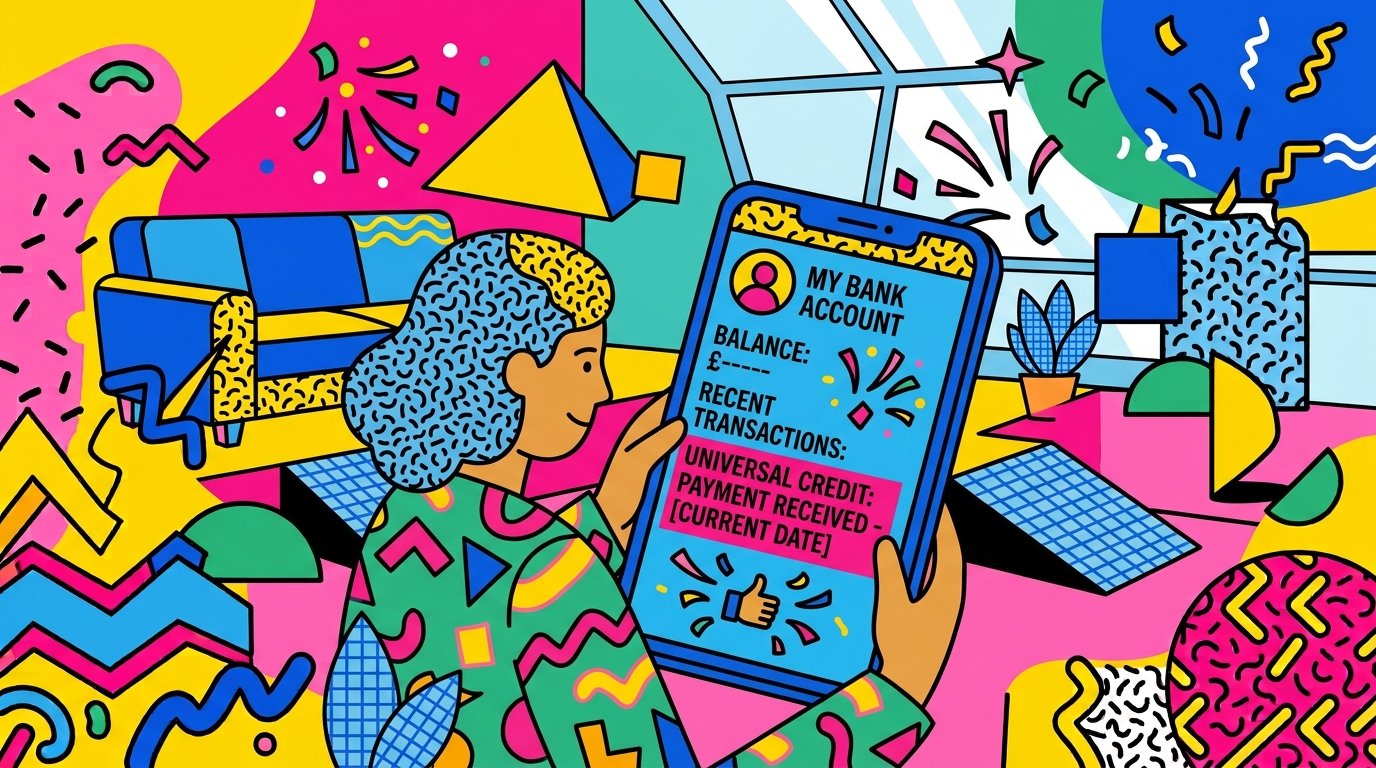
Universal Credit Payment Dates 2026: Your Guide
Introduction: When will you get paid?
This is an independent guide to Universal Credit payment dates in 2026. We are not the DWP, but we explain how the system works so you know what to expect.
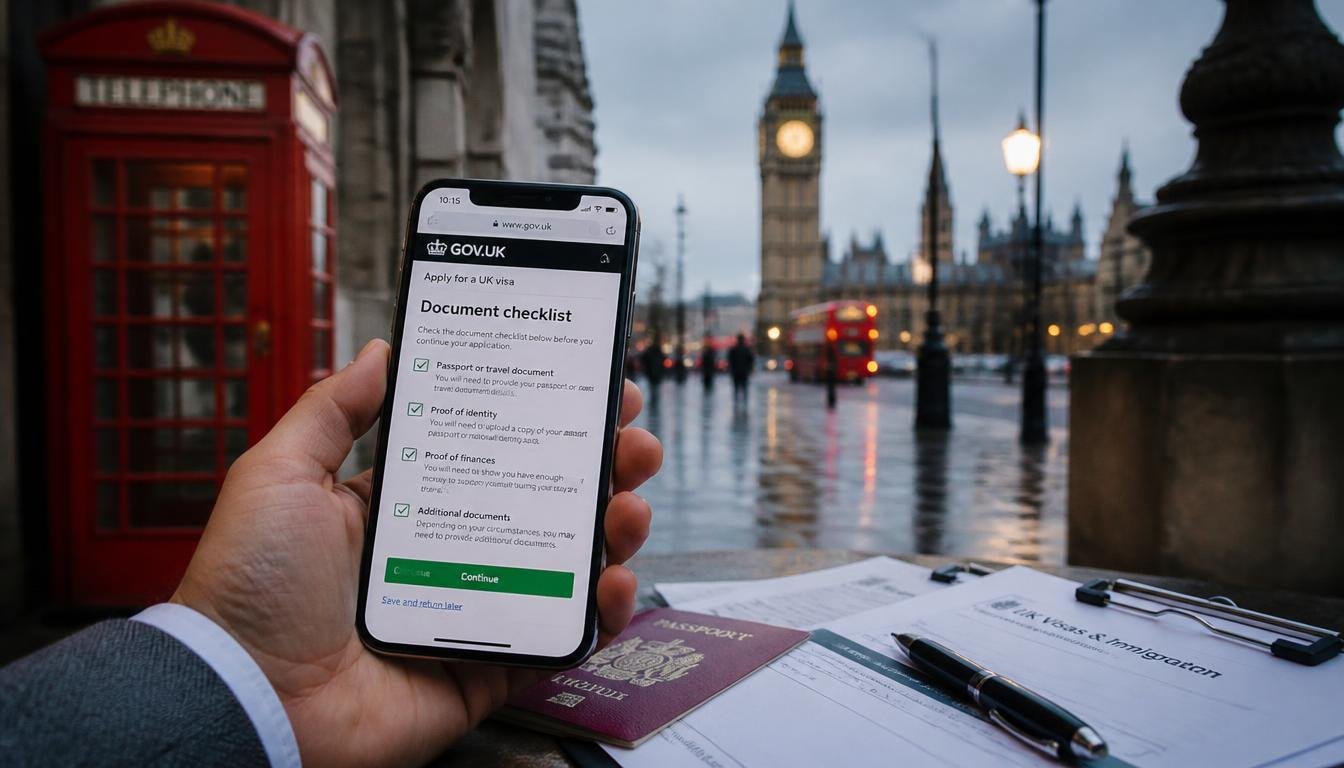
Universal Credit is usually paid once a month. Your payment date is based on your “assessment period”, which starts the day you first make your claim.
Quick answer: You usually get your first Universal Credit payment about 5 weeks after you apply. After that, you are paid on the same date every month. If your payment date falls on a weekend or bank holiday, you are usually paid on the working day before. Your payment date depends on when your assessment period ends.
Who can claim? (and why payment dates vary)

Universal Credit is for people of working age who are on a low income, out of work, or unable to work. You can claim if you live in the UK and meet the rules. You may be able to claim if you are employed, self-employed or unemployed.
Your payment date is not the same as your claim date. Here is how it works:
Assessment period: This is a one-month period that starts on the day you submit your claim. It ends one calendar month later.
Payment date: You are usually paid 7 days after your assessment period ends.
Ongoing payments: Your payment date is fixed. You are paid on the same date every month.

Nation differences:
England and Wales: Payments are usually monthly.
Scotland: You can ask to be paid twice a month instead of monthly. This is part of “Scottish Choices”.
Northern Ireland: Payments are usually made twice a month as standard. You can ask to move to monthly payments if you prefer.
For more information on how your claim is calculated, see our guide on [Universal Credit elements and rates].
How much could you get?

The amount of Universal Credit you get depends on your circumstances. This includes your earnings, savings, housing costs, and whether you have children or a disability.
Standard allowances are the same across England, Scotland, Wales and Northern Ireland. However, the exact amount you receive will be worked out based on your individual situation.
We do not list figures here because rates change every April. [VERIFY: current 2026/27 Universal Credit rates on GOV.UK].
Your payment is calculated at the end of each assessment period, based on your circumstances on the last day of that period.
How to apply: step by step
Applying for Universal Credit is done online. Here is what to expect.
Check you are eligible. Use a benefits calculator or check GOV.UK.
Gather your information. You will need details about your income, savings, housing, and household.
Make your claim online. You will create an online account. This is where you manage your claim.
Attend an interview. You may need to speak to a work coach at Jobcentre Plus.
Wait for your first payment. Your first assessment period starts the day you claim. You will be paid about 5 weeks later.
Report any changes. You must report changes in your circumstances through your online journal.
Documents you’ll need as a checklist
Proof of identity (like a passport or driving licence)
Your bank account details
Details of your housing costs (rent, mortgage)
Details of your income and savings
Details of anyone else in your household
Childcare costs (if you are claiming help with childcare)
Common mistakes that delay or reduce claims
Not reporting changes: If your earnings or circumstances change, report it immediately. This can affect your payment.
Missing appointments: If you miss a Jobcentre appointment without a good reason, your payment could be reduced (a sanction).
Not checking your journal: DWP will contact you through your online journal. If you do not check it, you may miss important requests.
Payment blockers: Your payment can be delayed if DWP needs more information, such as proof of rent. Log in to your account and check for messages.
If you are worried about a delay, contact your work coach through your journal. You can also call the Universal Credit helpline. [VERIFY: current helpline number on GOV.UK].
What happens after you apply? (timelines and problems)
After you apply, you will have an initial assessment period. Your first payment usually arrives about 5 weeks after you claim. If you need money sooner, you may be able to get an advance payment.
After your first payment, you will be paid on the same date each month. If your payment date falls on a bank holiday, you are usually paid on the working day before.
If your payment has not arrived, do not panic. Here is what to do:
Check your online account. Look for any messages from DWP.
Check your bank account. Sometimes payments can take a few hours to appear.
Leave a message in your journal. Ask your work coach to check if there is a problem.
Call the helpline. If you still cannot resolve it, call the Universal Credit helpline. [VERIFY: current helpline number on GOV.UK].
If you think your payment is wrong, you can ask for a mandatory reconsideration. This is the first step to challenge a decision. You must usually do this within one month of the decision. For more help, see our guide on [Universal Credit appeals and mandatory reconsideration].
Related support you might be missing
Universal Credit is just one benefit. You may also be able to get:
Pension Credit if you are over State Pension age.
Personal Independence Payment (PIP) if you have a long-term health condition or disability.
Child Benefit if you have children.
Council Tax Reduction to help with your Council Tax bill.
Help with health costs like prescriptions and dental care.
Budgeting Advance if you need help with an emergency expense.
For more details, see our guide on [other benefits and support you can claim].
Quick summary checklist
Your Universal Credit payment date depends on your assessment period.
You are usually paid monthly, 7 days after your assessment period ends.
In Scotland and Northern Ireland, you may be paid twice a month.
Bank holidays can change your payment date (you are usually paid earlier).
Check your online journal regularly.
Report any changes straight away.
FAQs
1. What is an assessment period?
An assessment period is a one-month period that starts the day you make your Universal Credit claim. Your payment is calculated at the end of each assessment period. You are usually paid 7 days after it ends.
2. Can I change my Universal Credit payment date?
Your payment date is usually fixed. However, if you live in Scotland, you can choose to be paid twice a month instead of monthly. In Northern Ireland, you are usually paid twice a month but can ask for monthly payments.
3. What happens if my payment date is on a bank holiday?
If your payment date falls on a bank holiday, you are usually paid on the working day before. For example, if your payment is due on Monday 31 August 2026 (Summer Bank Holiday), you would be paid on Friday 28 August 2026.
4. Why is my Universal Credit payment late?
Payments can be delayed if DWP needs more information, or if you have not met a condition of your claim. Check your online journal for messages. If there is no explanation, contact the Universal Credit helpline.
5. What if I don’t get my first payment on time?
You can apply for an advance payment if you are in financial hardship while waiting for your first Universal Credit payment. You can ask for this through your online account or by calling the helpline.
Conclusion
Knowing your Universal Credit payment dates for 2026 helps you plan your money. The key is your assessment period: you are paid 7 days after it ends, on the same date each month. Remember to check your journal, report changes, and contact DWP if something goes wrong.
If you need more help, read our guides on [Universal Credit advances] and [how to challenge a benefit decision].
Disclaimer: This is an independent informational website. We are not affiliated with, endorsed by, or connected to the DWP, HMRC, any UK government body or local council. Information is for general guidance only and is not financial or legal advice. Always check GOV.UK for the latest official information.
[LAST CHECKED: 8 October 2026]