

Introduction to Winter Fuel Payment Opt-Out
The Winter Fuel Payment is a government scheme designed to assist eligible individuals with their heating costs during the colder months. This financial support is typically available to older adults, primarily those aged 66 and above, though younger individuals with certain disabilities may also qualify. The scheme serves a critical role in alleviating the financial burden associated with heating expenses, particularly for those on fixed incomes.
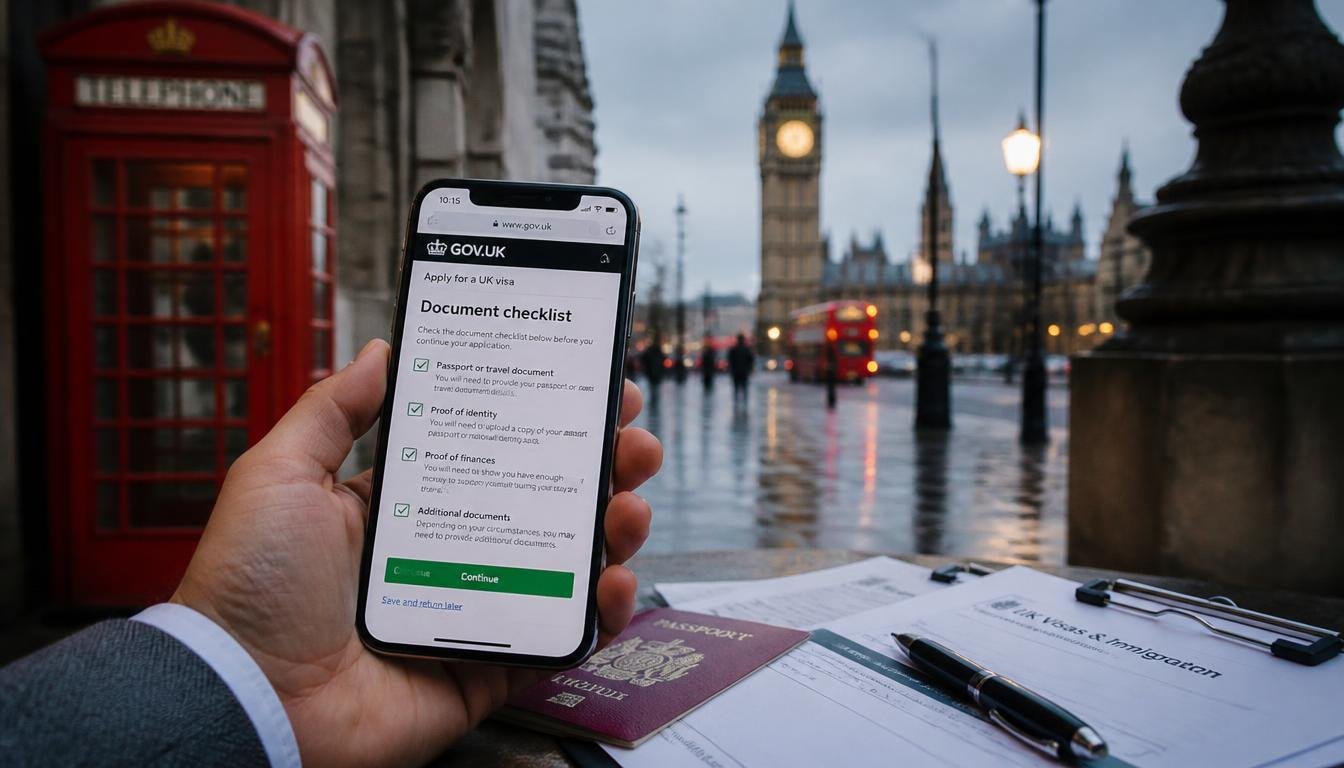
However, some individuals may choose to opt out of the Winter Fuel Payment, despite being eligible. Reasons for this decision can vary widely, including personal financial circumstances, an assessment of their own heating needs, or a preference not to receive government allowances for various ideological reasons. Opting out is noteworthy, as it reflects the diverse perspectives on financial support and self-sufficiency among recipients of this payment.
For the year 2026, understanding the mechanisms surrounding the opt-out process is crucial. A significant deadline to consider is September 20, 2026. This particular date marks a critical cutoff point for individuals who wish to formally refuse the Winter Fuel Payment for that winter. Those who have not made a decision by this date will automatically be enrolled to receive the payment, which could be a substantial amount depending on their circumstances. The importance of this deadline cannot be overstated; timely decisions can influence recipients’ financial planning and budgeting for the winter months.

As the temperature drops and expenditures on heating increase, many individuals would benefit from understanding their options regarding the Winter Fuel Payment. Awareness of the September 20 deadline allows eligible individuals to make informed choices about their involvement with the scheme, ensuring they take full control of their financial situation.
Eligibility Criteria for Winter Fuel Payments
Winter fuel payments are a financial support mechanism designed to assist eligible individuals with their heating costs during the cold months. To qualify for these payments, applicants must meet specific eligibility criteria that include age, residency status, and other relevant conditions.

Firstly, age plays a pivotal role in determining eligibility. Typically, individuals must be aged 66 or over during the qualifying week, which is usually the third week of September. This age requirement ensures that support is directed toward senior citizens who may be more vulnerable to cold weather and its associated health risks.
Another crucial factor is residency. To qualify for winter fuel payments, applicants must be living in the UK during the qualifying week. This residency criterion ensures that the support provided is utilized by those who are genuinely in need of assistance within the geographical boundaries of the UK. Additionally, individuals residing in care homes are also taken into account, provided they occupy the facility for a specific length of time.

Moreover, applicants need to meet certain conditions regarding their benefits. Individuals who receive specific social security benefits, such as Pension Credit, may have enhanced eligibility, resulting in higher payment amounts. Those receiving other benefits might also qualify, highlighting the importance of comprehensive eligibility assessments that consider all applicable benefits and income levels.
Finally, it is essential to be aware of the application process and any deadlines associated with claiming winter fuel payments. Adhering to these guidelines is crucial for ensuring timely receipt of financial aid. Understanding these eligibility criteria will help potential applicants navigate their options effectively and ensure they can access necessary support during the winter months.
Reasons for Opting Out of Winter Fuel Payments

The decision to opt out of receiving winter fuel payments can arise from a variety of personal circumstances and considerations. While these payments are designed to assist individuals with their heating costs during the colder months, some may find that they do not need this support or prefer to decline it for various reasons.
One significant reason individuals choose to opt out is their financial situation. For those who have sufficient income or savings, the additional funds provided by winter fuel payments may seem unnecessary. Individuals in higher income brackets might prefer to relinquish the payment, allowing those in more pressing financial need to benefit from the program instead.
Another consideration is personal preferences related to the management of finances and government aid. Some individuals may feel uncomfortable accepting government assistance, viewing it as an imposition on their autonomy. They might opt out to maintain a personal philosophy that aligns with self-sufficiency. This mindset can be particularly strong among those who have never relied on government benefits in the past.
Additionally, there may be implications for taxation and other benefits that influence the decision to reject winter fuel payments. Depending on one’s financial circumstances, specifically the tax implications of receiving such an allowance could deter some from accepting it. In some cases, receiving benefits can affect eligibility for other forms of assistance or tax credits, leading individuals to consider their overall financial strategy more carefully.
In conclusion, there are multifaceted reasons for opting out of winter fuel payments, including financial status, personal values, and tax considerations. Understanding these factors is crucial for individuals and policymakers alike to ensure the program serves those who need it most effectively.
The Opt-Out Process Explained
Opting out of winter fuel payments is a straightforward process, but it requires understanding specific steps to ensure that individuals do not receive payments they are not entitled to during the winter months. This guide outlines the critical stages for successfully opting out.
Firstly, individuals must check their eligibility for opting out. Most commonly, those who reside in care homes, recipients of certain benefits, or individuals who have moved abroad may wish to opt out. Once eligibility is confirmed, the next step is to acquire the appropriate forms. These can usually be obtained from the official government website related to winter fuel payments or by contacting the Department for Work and Pensions (DWP) directly.
To proceed, fill out the opt-out form accurately. Ensure that all required information, including personal details and circumstances for opting out, is provided. This is vital as incomplete forms may lead to delays or misprocessing. After the form is completed, it should be sent to the specified address on the document or submitted online if such an option is available.
For online submissions, visit the official government resource page where one can find detailed instructions and navigate to the designated portal for submitting the form electronically. It is recommended to save any confirmation emails or messages as this may serve as a reference later in the process.
Additionally, individuals seeking assistance can contact the Winter Fuel Payment helpline. This helpline provides personalized guidance and can answer any queries regarding the opt-out procedure. It is advisable to keep the contact number at hand for any unforeseen complications.
In conclusion, understanding and following the outlined steps for opting out of winter fuel payments can help individuals manage their finances effectively and avoid receiving unintended payments during the colder seasons. Being informed of deadlines and available resources will further smooth the process, ensuring compliance with regulations set forth by the DWP.
Key Date: Understanding the September 20 Deadline
The September 20 deadline is a crucial date for individuals seeking to opt out of the Winter Fuel Payment scheme. This payment is typically provided to eligible individuals during the colder months to help cover heating costs. However, there are circumstances where some may choose to opt out of receiving this payment, often for reasons linked to changes in financial circumstances or personal preference.
Failing to meet the September 20 deadline can have significant consequences for those who plan to opt out. If individuals miss this date, they will automatically receive the Winter Fuel Payment for the upcoming winter season. This automatic enrollment means that the payment, while beneficial for some, may not suit all beneficiaries. Thus, it is essential for individuals to consider their financial situation and the necessity of the payment before the deadline.
Missing the deadline does not only result in receiving a payment that may not be needed, but it also complicates the ability to opt out in future years. Those who receive the payment inadvertently might find themselves dealing with unnecessary financial reporting or tax implications based on the receipt of funds that they did not intend to claim. Therefore, staying informed about this deadline and adhering to it is vital for individuals wanting to ensure that their financial decisions align with their current needs.
In case individuals miss the September 20 opt-out deadline, they are advised to keep records of their circumstances and reasons for wanting to opt out. This documentation could be useful when addressing any potential disputes or queries regarding their Winter Fuel Payment status for the following year. Awareness and understanding of this key date empower individuals to take decisive actions regarding their finances and benefits during the winter months.
Potential Consequences of Opting Out
Opting out of the winter fuel payment can have significant financial repercussions for individuals as well as broader implications for their welfare. The winter fuel payment is designed to assist eligible individuals, typically the elderly and vulnerable groups, in covering the rising energy costs during the colder months. Therefore, the decision to forgo this support should be made with careful consideration.
In the short term, individuals may experience a direct impact on their household budget. The winter months can see an increase in heating bills, and without the financial cushion that the winter fuel payment provides, many may find themselves struggling to meet these necessary expenses. This could lead to difficult choices between heating and other essential needs, such as food and healthcare.
Additionally, opting out may affect an individual’s access to other forms of support or benefits. Certain financial assistance programs may require recipients to demonstrate their need based on income levels, including the costs associated with utility bills. By not receiving the winter fuel payment, eligible individuals may inadvertently lower their visible need for assistance, which could further complicate their financial standing.
Long-term consequences could be even more pronounced. Regularly high energy costs without the buffer of the winter fuel payment might lead to increasing debt, particularly for households already at risk of financial instability. Chronic underheating in the winter months can also contribute to health issues, including respiratory problems, which could result in higher healthcare costs over time.
Moreover, opting out could signify a missed opportunity for social inclusion. The winter fuel payment not only offers financial relief but also serves as a reminder of the support available within the community. Individuals may feel isolated from resources designed to help them if they decide to manage without this assistance.
In conclusion, while opting out of the winter fuel payment may seem beneficial for some, the potential financial and welfare-related consequences warrant careful examination. Individuals should weigh their circumstances and consider both immediate and future impacts when making their decision.
Official Resources and Additional Support
Individuals seeking more information about Winter Fuel Payments and the opt-out process can refer to a variety of official resources. The UK government’s official website contains comprehensive details about the Winter Fuel Payment scheme, including eligibility criteria and how to apply or opt out. It is advisable to visit the Winter Fuel Payment page for authoritative and updated information.
Additionally, the Department for Work and Pensions (DWP) provides valuable insights regarding various benefits, including Winter Fuel Payments. This organization is responsible for welfare and pension policy, and their resources can be accessed through the DWP official site. They offer a helpline for inquiries related to benefits, which can be a useful point of contact for individuals unsure about their eligibility or the opt-out procedure.
Furthermore, Age UK is a relevant charity that gives support and information to older individuals concerning their rights to benefits, including Winter Fuel Payments. Their website has a specific section dedicated to older people’s benefits, which is beneficial for navigating the process. Individuals can visit Age UK’s Winter Fuel Payment page for more guidance.
If individuals have more specific questions, they can contact the helpline provided by the Citizens Advice Bureau, which also has detailed advice on Winter Fuel Payments. Their website offers resources and support in navigating the complexities of such benefits. Visit Citizens Advice on Winter Fuel Payments for further assistance.
These resources can significantly aid individuals in understanding their entitlements and the necessary processes associated with Winter Fuel Payments. It is always prudent to assure that the information obtained is from reliable and official channels to avoid misinformation.
Frequently Asked Questions (FAQs)
The winter fuel payment opt-out process can often be perplexing, leading to numerous questions and concerns among individuals eligible for these benefits. Below is a compilation of frequently asked questions regarding this important topic, aimed at clarifying the process and alleviating common misconceptions.
1. What is the Winter Fuel Payment?
The Winter Fuel Payment is a government scheme designed to assist older adults with their heating costs during the winter months. Eligibility typically includes individuals aged 66 or over who reside in the UK, and the amount received can vary based on individual circumstances and winter conditions.
2. Why would someone choose to opt-out?
Individuals may opt-out of the winter fuel payment for various reasons. Some may feel they do not require the additional financial support, while others may not meet the qualifying criteria due to their income or circumstances. Additionally, opting out can help streamline the administration process for both the government and recipients.
3. How do I opt-out of the Winter Fuel Payment?
The opt-out process generally involves notifying the relevant government department. Typically, this can be done via an online form or through written communication. It’s essential to keep a record of your opt-out request to avoid any future discrepancies.
4. What happens if I opt-out and later change my mind?
If you opt-out of the winter fuel payment and later wish to re-enroll, you can do so by applying through the appropriate channel. However, it is crucial to be mindful of deadlines set by the government, as re-enrollment may not be possible outside of specified enrollment periods.
5. Will opting out affect my other benefits?
Opting out of the winter fuel payment typically does not impact other benefits. However, it is advisable to consult with a benefits adviser or the governing body if you have concerns regarding your specific situation.
By addressing these frequently asked questions, individuals can better understand the winter fuel payment opt-out process and make informed decisions regarding their eligibility and needs.
Conclusion: Making an Informed Decision
In summary, it is essential for individuals approaching the 2026 winter season to familiarize themselves with the implications tied to winter fuel payments. The decision to opt out of this payment should be carefully weighed against personal circumstances, as it can significantly impact financial stability during the colder months. Factors such as income level, existing heating arrangements, and any financial assistance already in place will play a crucial role in making this decision.
Furthermore, it is advisable for individuals to remain proactive in assessing their eligibility for winter fuel payments. Official government resources provide a wealth of information that can clarify the application process, deadlines, and any recent changes to the guidelines. By consulting these resources, you can make a well-informed decision that aligns with your unique situation.
Also, considering the potential for changes in personal or financial situations is vital. Staying updated on policies and criteria for winter fuel payments will enable a more strategic approach to managing heating costs effectively. It is paramount to not only focus on the present circumstances but also to anticipate future needs when deciding on whether to accept or decline the winter fuel payment. In conclusion, being informed and seeking guidance from official sources will empower you to make the best choice for your winter heating needs.