

Understanding Unclaimed Benefits: What You Need to Know
Unclaimed benefits represent a significant financial resource that many individuals overlook, amounting to an astonishing £24 billion in unclaimed entitlements across various support schemes. These benefits may encompass a range of financial advantages, from tax credits to housing benefits, designed to assist those in need. Despite their availability, numerous eligible individuals fail to claim these benefits due to various reasons, which can lead to substantial lost financial support.
One primary reason for the accumulation of unclaimed benefits stems from a lack of awareness. Many potential beneficiaries are simply unaware that they may qualify for certain financial assistance. For example, individuals may not understand the eligibility criteria for specific benefits, or they might mistakenly believe that their income disqualifies them from receiving additional support. This lack of information plays a crucial role in the continued existence of billions of pounds in unclaimed benefits.
Furthermore, the complex nature of applications can deter eligible individuals from pursuing these funds. The application processes for these benefits often require substantial documentation and can be time-consuming, which may discourage those who are already facing financial hardships. Additionally, societal stigma surrounding the need for financial assistance can lead to reluctance in applying for help, even if one qualifies.

Key statistics further illustrate the importance of addressing unclaimed benefits. Reports indicate that millions of eligible individuals are missing out on these financial resources, which could significantly enhance their living standards and overall financial stability. In light of these figures, it is essential to raise awareness and encourage eligible individuals to investigate their possible entitlements.
In conclusion, understanding unclaimed benefits is critical in the pursuit of financial stability. By educating the public on the significance of these entitlements and simplifying the application process, we can work towards ensuring that more individuals can take advantage of the support available to them.
Types of Unclaimed Benefits You May Be Eligible For

In the United Kingdom, numerous unclaimed benefits exist that may provide financial support to eligible individuals. These benefits cater to various circumstances, including income support, housing needs, and special requirements due to health conditions. Understanding the different categories of unclaimed benefits is essential for individuals who might be entitled to assistance but are unaware of their options.
One of the primary forms of financial aid available is Universal Credit. This benefit is designed to assist individuals on low incomes or those who are unemployed. Universal Credit consolidates several older benefits, offering a streamlined approach to welfare support. Eligibility for this benefit is determined by several factors, including income and personal situation.

Housing Benefit is another significant category of assistance. It is intended for individuals struggling to pay their rent, helping to alleviate the financial burden of housing costs. Eligibility typically includes those on a low income or those receiving certain types of social security benefits. The amount available will depend on various factors, including location and income level.
Additionally, families with children should explore Child Benefit, which provides financial support for raising children under the age of 16, or up to 20 if they are still in approved education or training. Though there are income thresholds that can affect eligibility, it remains an option for many families.

Furthermore, individuals with disabilities may be eligible for Disability Living Allowance (DLA) or the newer Personal Independence Payment (PIP). These benefits aim to help cover additional costs incurred due to a disability. Eligibility for these benefits includes meeting specific conditions related to mobility and care needs.
Overall, it is crucial for residents to be aware of these various types of unclaimed benefits. Understanding who qualifies and the relevant claims process can lead to significant financial support that many might otherwise overlook.
How to Check Your Eligibility for Unclaimed Benefits
Determining your eligibility for unclaimed benefits can seem daunting, but with a systematic approach, it becomes manageable. The first step is to gather essential personal information such as your National Insurance number, income details, and any benefits you are currently receiving. This data will help in assessing your situation accurately.
Once you have compiled your personal information, the next step is to understand the specific requirements for each type of benefit you may be entitled to. Benefits can vary significantly based on your circumstances, such as age, employment status, or disabilities. It is important to review the eligibility criteria for each benefit carefully. For instance, means-tested benefits require an assessment of your financial situation, while non-means-tested benefits may have different criteria.
To facilitate this process, there are various tools and resources available. Online benefit calculators can provide a personalized assessment by allowing you to input your details to see what you might qualify for. Additionally, local advice services, such as Citizens Advice, offer tailored assistance. They can guide you through the complexities of benefit eligibility and help clarify any uncertainties regarding the application process.
It is also beneficial to stay informed about any recent changes in benefit regulations or entitlements that might affect your eligibility. Many times, unclaimed benefits arise because individuals are unaware of new provisions or changes in law. Engaging with community forums or local support groups can also expand your understanding and provide valuable insights from those who have navigated similar situations.
Assessing your eligibility for unclaimed benefits is an important step towards securing financial support. By organizing your personal information, understanding the specific requirements, and taking advantage of available resources, you can navigate this process more effectively.
Steps to Claiming Your Benefits: A Practical Guide
Claiming unclaimed benefits can appear to be a daunting task, but by following a systematic approach, you can enhance your chances of a successful application. The first step in the process is to assess your eligibility. Begin by reviewing the various benefits available and determining if you meet the criteria for any of them based on your current financial circumstances.
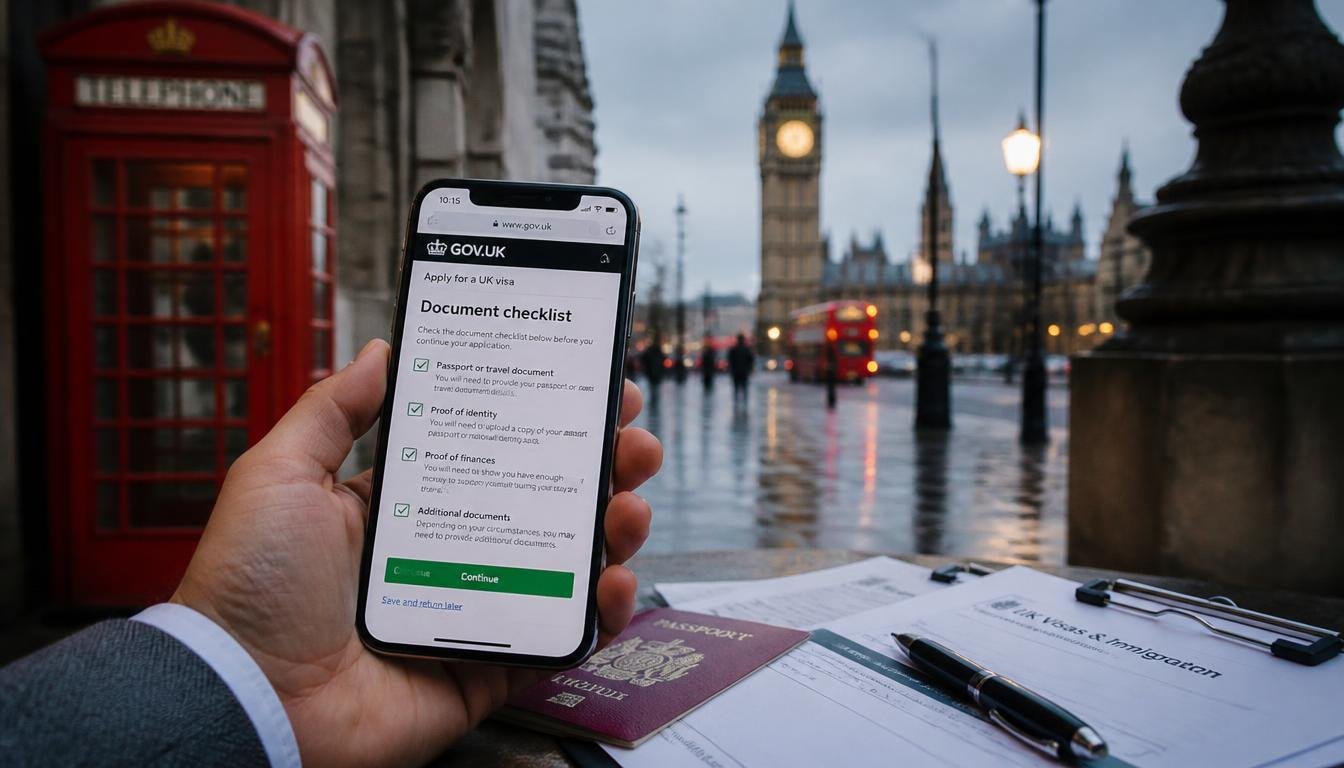
Once you have established your eligibility, proceed to gather the necessary documents. Typically, most applications will require proof of identity, residency, and income. This may include documents such as utility bills, bank statements, and recent pay slips. Ensure that all these documents are current and clearly reflect your personal information. Having these on hand will make the application process smoother.
Next, carefully complete the application forms. It is crucial to provide accurate and detailed information to avoid delays or rejections. Take your time to read the instructions accompanying the application. Many mistakes arise from simple oversights, such as providing incorrect contact information or failing to respond to mandatory fields. If the forms are available online, consider filling them out on your computer before printing, as this can help maintain clarity and legibility.
Once you have filled out the application, review it thoroughly for any errors or omissions. Seek assistance from a trusted friend or a professional advisor if needed to ensure accuracy. After confirming that everything is correct, submit the application via the designated method, whether that is online, by mail, or in person.
Additionally, it is advisable to keep a copy of all submitted documents and records of any correspondence for your reference. Should your application require further verification or if any issues arise, having these documents at hand will facilitate communication with the benefits authority.
Common pitfalls that applicants face include submitting incomplete applications, missing deadlines, or providing outdated documents. To avoid these, set reminders for important dates and take the time to familiarize yourself with the requirements of your specific benefits. Understanding the process and being prepared can significantly improve your experience when claiming unclaimed benefits.