
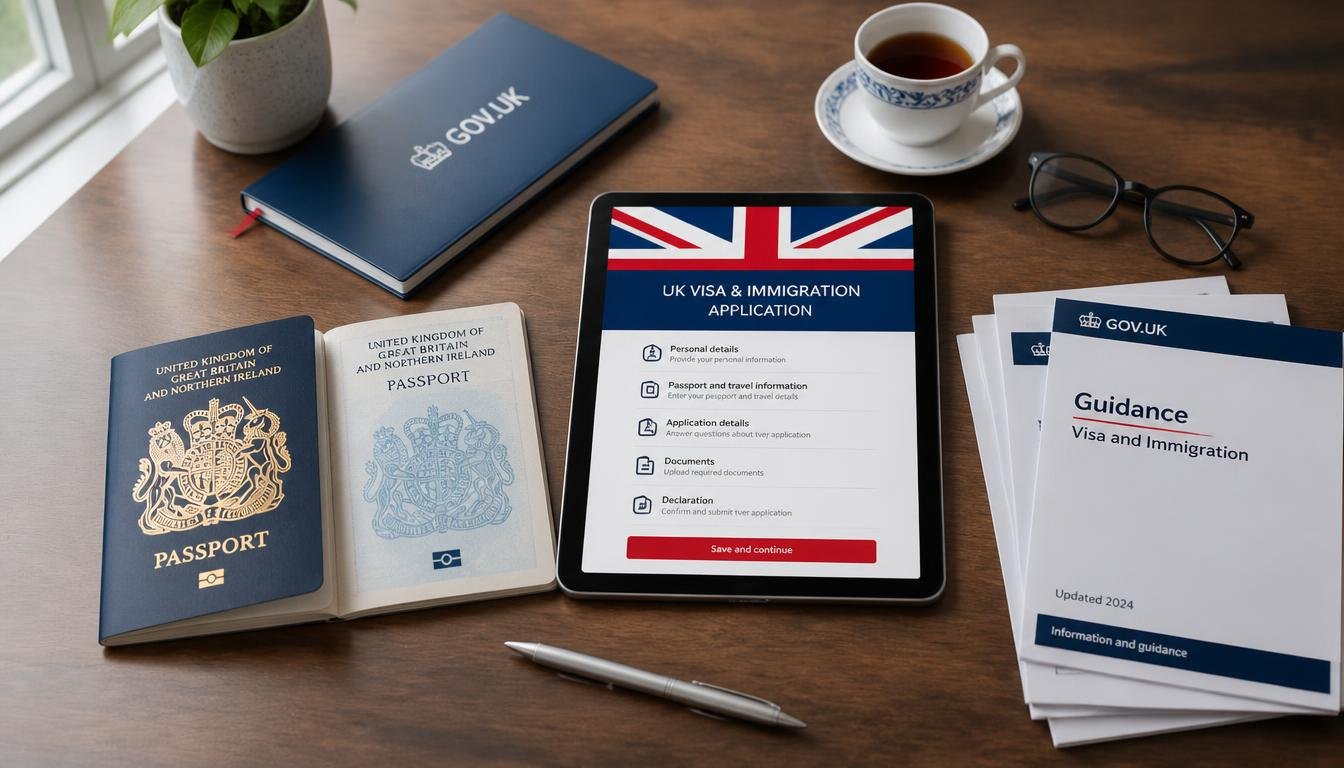
Understanding Universal Credit Payments
Universal Credit is a welfare benefit in the United Kingdom designed to provide financial assistance to individuals and families, particularly those on low incomes or experiencing unemployment. It consolidates several older benefits into a single payment, streamlining financial support for claimants. Introduced to simplify the welfare system, Universal Credit aims to encourage work and improve family incomes, ultimately reducing poverty levels.
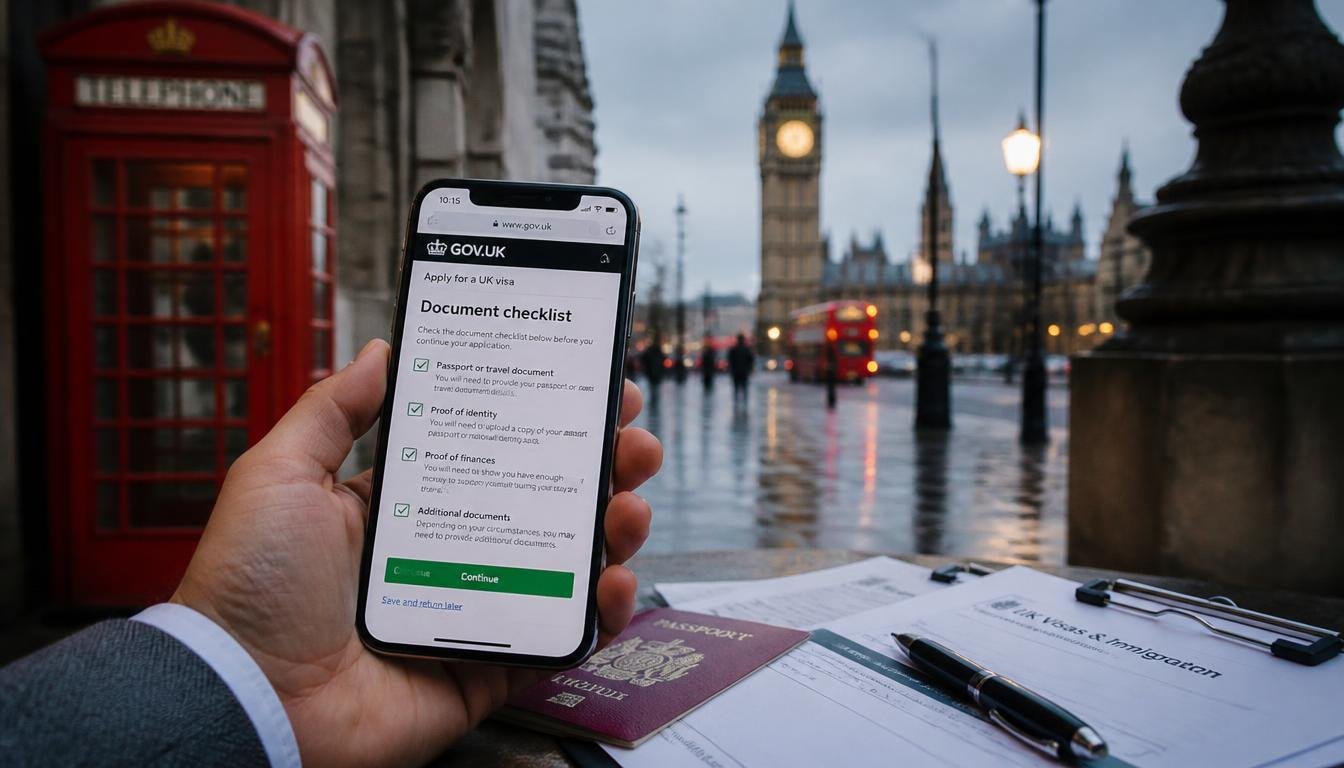
One of the primary purposes of Universal Credit is to support individuals as they transition into work. It allows claimants to keep a portion of their benefits even as they take up paid employment, thus providing a smooth financial transition. The payment structure is designed to adapt to changes in income, which makes it an essential resource for those seeking to enhance their employment prospects.
Eligibility for Universal Credit is generally determined by several factors, including age, residency, and financial circumstances. Claimants must be at least 18 years old, live in the UK, and have a valid National Insurance number. Each applicant’s household income and savings are assessed to establish entitlement to the payment. Importantly, Universal Credit is available to a wide range of individuals, including those who are out of work, working part-time, or unable to work due to illness or disability.

The application process for Universal Credit involves an online form in which individuals must provide detailed information about their circumstances. Once submitted, the claim is assessed, and if approved, the applicant receives a monthly payment that includes various components, such as a standard allowance and additional amounts for housing or children, if applicable. It is essential for applicants to keep their information up to date with the Department for Work and Pensions (DWP) to ensure that payments accurately reflect their financial needs.
August Bank Holiday: Significance and Observance
The August Bank Holiday, traditionally celebrated on the last Monday of August, holds substantial significance in the United Kingdom, particularly in cities like Leeds. Originating as a means to provide workers with a respite during the summer months, this holiday has evolved into a time for both reflection and celebration. Its roots can be traced back to the late 19th century when it was first introduced to allow the working class an opportunity to enjoy leisure activities.

The observance of the August Bank Holiday has substantial implications for various sectors. Businesses often experience shifts in their operating hours, as many local shops, restaurants, and service providers may choose to close or modify their schedules to accommodate the holiday. This can lead to a temporary economic impact as customers adjust their spending habits in relation to available services. However, for the hospitality and tourism sectors, the holiday is generally viewed as an opportunity to boost patronage, with numerous events, festivals, and activities planned to attract visitors.
Additionally, community events play a pivotal role in the celebrations of the August Bank Holiday. In Leeds, numerous fairs, parades, and sporting events fill the calendar, fostering a spirit of togetherness among residents. Local councils and community organizations typically collaborate to organize these events, enhancing engagement and promoting local culture. As the holiday encourages gatherings of family and friends, it also serves as a vital social function, allowing individuals to cultivate connections and strengthen community ties.

Beyond its economic and social impacts, the August Bank Holiday stands as a testament to the historical progress made in workers’ rights and leisure time. Its observance highlights the importance of balance in work and personal life, underscoring the need for relaxation and community bonding in an increasingly fast-paced world. Overall, the significance of the August Bank Holiday in the UK reflects both historical legacies and contemporary practices, making it an essential part of the calendar in Leeds and beyond.
Payment Schedule for 2026 August Bank Holiday
The August Bank Holiday in 2026 is set to influence the payment schedules of Universal Credit for claimants in Leeds, as it can alter the standard payment dates. Public holidays often lead to adjustments in when individuals receive their financial support, which is crucial for planning and managing personal budgets.

For the year 2026, the August Bank Holiday will fall on the last Monday of the month, specifically on 30th August. As a result, claimants expecting their Universal Credit payments during this time should take particular notice of the following adjustments. Payments that are typically scheduled for this date will likely be processed earlier, allowing recipients to receive their payments in advance.
Generally, Universal Credit payments are made monthly, so individuals receiving their financial assistance should expect their payments to arrive on or before Saturday, August 28, 2026. This early payment adjustment is crucial as it provides claimants with funds before the holiday weekend. It is important to note that while many people will receive their payments early, those who are on the standard monthly payment cycles may see no changes unless a specific payment date aligns with the holiday.
Claimants are advised to check their online Universal Credit accounts for updates regarding their specific payment schedules. It is also beneficial to stay informed about any announcements from the Department for Work and Pensions (DWP) pertaining to changes or confirmations regarding the payment dates as the holiday approaches. Planning ahead and understanding how the August Bank Holiday affects Universal Credit payment schedules can lead to better financial management for claimants during this period.
Early Payments: What You Need to Know
Universal Credit is a fundamental financial support system in the UK designed to assist individuals and families facing financial challenges. On certain occasions, such as during public holidays like the August Bank Holiday, claimants may be eligible for early payments. Understanding the conditions under which these early payments can occur is crucial for recipients planning their finances.
Early payments for Universal Credit happen when a scheduled payment date coincides with a bank holiday. In such cases, the Department for Work and Pensions (DWP) usually makes the payment a day earlier to ensure that beneficiaries receive their funds in a timely manner. Therefore, if your payment date falls on a bank holiday, you can expect to see the funds in your bank account on the preceding business day. This adjustment helps mitigate any delay in accessing necessary resources.
Claimants should take proactive steps to ensure they are informed about their payment schedules. This includes regularly checking the Universal Credit online account, where important information regarding payment dates is provided. Additionally, it is advisable for claimants to keep updated on bank holiday dates and their implications on payment cycles. The DWP often publishes schedules and notices that clarify when adjustments will occur due to holidays.
In cases where manual adjustments or specific circumstances are at play, such as new claim submissions or changes in personal circumstances, individuals must contact the DWP immediately. Doing so not only secures clarity on payment timing but also addresses any concerns regarding eligibility for early payments. Ultimately, being prepared and informed ensures that claimants can manage their finances effectively, especially around busy periods such as holidays.
How to Manage Your Finances on Holiday Payments
When receiving Universal Credit payments during the August Bank Holiday in Leeds, it is essential to implement effective strategies for managing your finances. With early payments, individuals may find themselves in possession of funds that need careful budgeting to last through the holiday period. Below are practical tips to help you make the most out of your finances during this time.
First and foremost, creating a detailed budget can serve as a solid foundation for managing your money. Start by listing all your necessary expenses for the holiday period, including essential bills, groceries, and other daily costs. Allocate specific amounts to each category, ensuring you keep track of how much you can spend. Utilizing a simple spreadsheet or a budgeting app can make this process more user-friendly and visually clearer.
Another crucial aspect is prioritizing purchases. In the context of Universal Credit, it helps to distinguish between essential and non-essential spending. For instance, consider focusing on food and utility bills first, as these are non-negotiable. Later, assess discretionary spending, like dining out or entertainment, which might be reduced if funds are running low.
To further stretch your payments, consider adjusting your shopping habits. Look for discounted items, utilize loyalty programs, or purchase in bulk to save money over time. Researching local markets and discount stores can also yield significant savings, particularly during holiday promotions.
When managing early payments, it may be beneficial to limit the use of cash. Using a bank card can help you track your spending while ensuring you do not overspend. Keeping track of your transactions and remaining vigilant with your budget can help you maintain control over your finances during the holiday period.
Finally, community resources, such as local food banks or financial advice services, can offer additional support. These services can provide not just food but also budgeting assistance that helps individuals and families maximize their benefits and navigate potential challenges during holiday payment periods.
Frequently Asked Questions about Universal Credit in Leeds
As the August Bank Holiday approaches in 2026, many residents of Leeds are likely to have questions regarding the impact on their Universal Credit payments. This section aims to address common queries and provide essential information to ensure that claimants are well-informed.
One of the primary concerns during this time is whether Universal Credit payments will be adjusted due to the bank holiday. Typically, if your usual payment date falls on a bank holiday, you may receive your payment a day earlier. However, it is crucial to verify the specific payment schedule through official channels, as adjustments can vary based on individual circumstances.
Another common issue pertains to delays in receiving payments. If a claimant experiences a delay in their Universal Credit payment during the August Bank Holiday period, it is advised to contact the Universal Credit helpline as soon as possible. The helpline can assist in tracking the payment and resolving any issues that may have arisen. Claimants should also be aware that applicants in urgent need of financial support can apply for an Advance Payment, which can provide immediate relief while waiting for their payment.
Moreover, understanding additional support options available during bank holidays is essential. Local councils and community organizations in Leeds may offer advice on accessing food banks, emergency funds, or other resources to assist those experiencing financial hardship. If you need guidance on these matters, do not hesitate to reach out to local support services.
In conclusion, it is vitally important for residents in Leeds to stay informed about their Universal Credit payments, especially during holidays. By being proactive and knowing the available resources, claimants can ensure they are prepared for any changes or delays that may occur during the August Bank Holiday period in 2026.
Local Resources for Universal Credit Claimants in Leeds
Leeds is home to a variety of resources specifically designed to assist individuals and families claiming Universal Credit. These organizations provide essential services ranging from financial advice to emotional support, ensuring that claimants are well-equipped to navigate the complexities of the welfare system.
One of the primary organizations providing support in Leeds is the Leeds Citizen Advice Bureau. This bureau offers free, confidential advice to help residents understand their rights, their benefits entitlements, and assist with the application process for Universal Credit. Their trained advisors can help claimants assess their financial situation and identify additional support services that may be needed.
Another valuable resource is Leeds City Council, which operates various services aimed at helping local residents with financial difficulties. The council provides comprehensive information on Universal Credit, including how to apply, manage claims, and understand payment schedules. Regular workshops and drop-in sessions are available for claimants to engage with staff and receive personal guidance.
Community centers throughout Leeds, such as the Holt Park Active and Woodhouse Community Centre, also offer support for Universal Credit claimants. These centers often host financial literacy programs and can connect individuals with budget advice. Moreover, they serve as safe spaces for residents to discuss their challenges and share experiences.
For immediate assistance, helplines such as The National Benefit Fraud Hotline can provide guidance on reporting issues with Universal Credit claims. They also help combat any potential fraud, ensuring support goes to those genuinely in need.
Additionally, online forums and social media groups focused on Universal Credit in Leeds can be a source of informal support. Here, claimants share advice based on their experiences, which can often provide practical solutions to common issues.
Utilizing these local resources can significantly enhance the experience of those navigating the Universal Credit system in Leeds, offering them guidance and support when they need it most.
Legal Rights and Obligations of Universal Credit Claimants
Understanding the legal rights and obligations of individuals receiving Universal Credit is crucial, particularly when navigating payment schedules around holiday periods. Universal Credit is a welfare benefit aimed at assisting those who are out of work or on a low income, and it is essential for claimants to be aware of their rights regarding payment timing and amounts.
Firstly, Universal Credit payments are typically made monthly in arrears, which means that for many, the timing of payments coincides with their financial needs. Legal regulations stipulate that payments should be made on time, and claimants are entitled to receive their payments without unnecessary delay, even during public holidays such as the August Bank Holiday. In the event that a payment is delayed, claimants have the right to seek explanations and, if necessary, lodge complaints.
Moreover, when a bank holiday occurs, it may affect the regular payment schedule. Therefore, it is vital for claimants to stay informed about the specific dates when payments might be altered. The Department for Work and Pensions (DWP) provides guidelines on how payments are adjusted in the event of a bank holiday, and claimants should familiarize themselves with these rules to avoid unexpected financial shortfalls.
Additionally, claimants have responsibilities that accompany their rights. This includes attending scheduled appointments, updating any changes in their circumstances, and comply with work search requirements. Failure to meet these obligations can result in sanctions, which may affect the amount of Universal Credit received. It is essential to maintain open communication with the DWP to ensure all requirements are being addressed appropriately.
In conclusion, being aware of one’s rights and obligations regarding Universal Credit is imperative for claimants. Understanding how holiday periods impact payment schedules and staying informed about legal protections can help individuals better plan their finances and navigate any challenges that arise during these times.
Looking Ahead: Future Changes to Universal Credit Payments
The landscape of Universal Credit (UC) payments is expected to undergo significant transformations in the coming years, particularly influenced by anticipated legislative changes. These reforms aim not only to enhance the financial support provided to claimants but also to streamline the overall administration of benefits. As we approach the bank holiday periods, such as the August Bank Holiday in 2026, it is crucial for current and prospective claimants in Leeds to be aware of how these changes may impact their financial situation.
While exact details surrounding future changes to Universal Credit payments remain fluid, several key areas of focus have been identified. Firstly, there is an ongoing discussion regarding the integration of digital services to improve the claimant experience. Enhanced online platforms for managing claims could lead to more efficient processing times and quicker access to financial support, particularly during peak periods like bank holidays.
Moreover, further adjustments to the eligibility criteria and payment amounts are anticipated. These could include increased allowances for families, adaptations based on inflation indices, and consideration for regional disparities in living costs. It is critical for claimants to stay informed about potential adjustments that may occur post-2026, as these changes will directly influence budgeting and financial planning.
Stakeholders and policymakers are also considering the possible introduction of grants or supplementary funds during high-demand periods. Such initiatives could ensure that individuals and families do not face sudden financial instability during times when they are most vulnerable, particularly around holidays when expenses typically rise.
In conclusion, remaining proactive and engaged with updates related to Universal Credit will be imperative for claimants. Understanding the legislative framework and potential reforms on the horizon can ensure that individuals are equipped to navigate the future of their financial support effectively.