
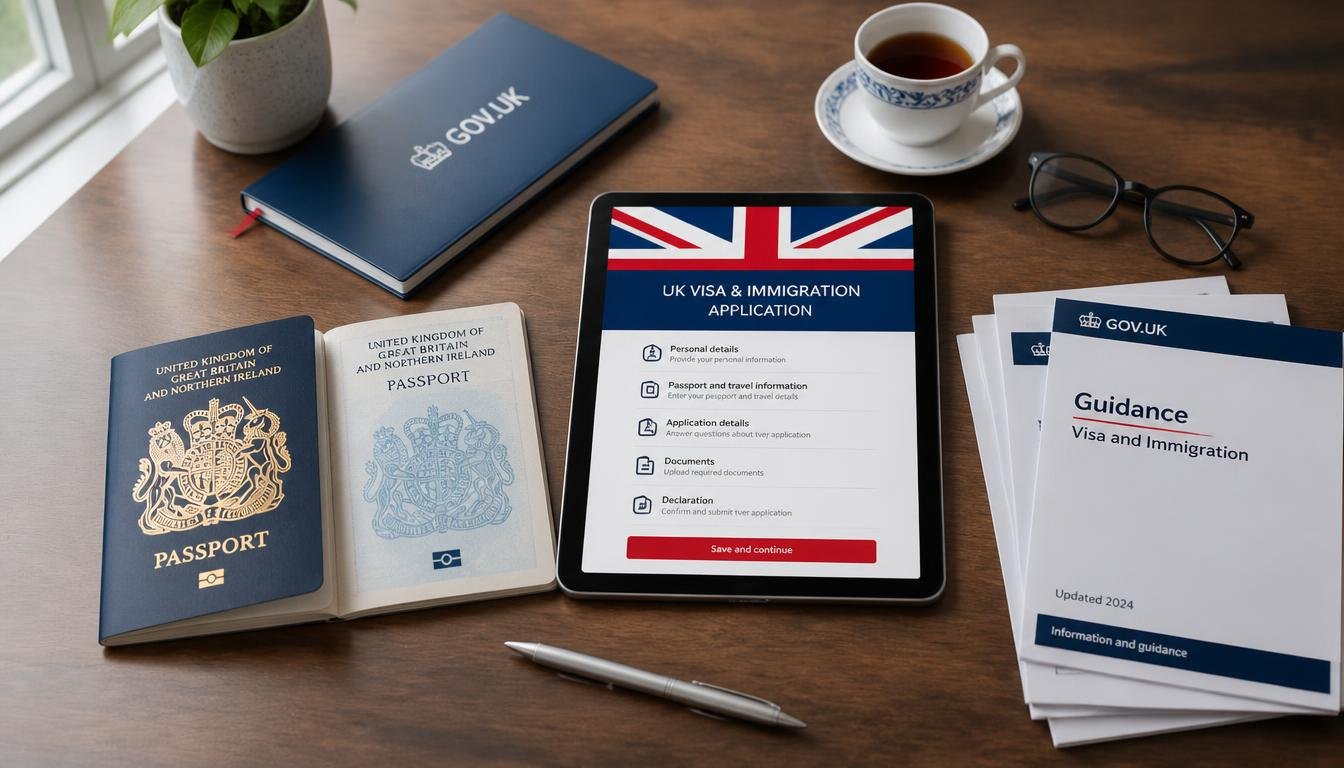
Introduction to Free School Meals and Universal Credit
Free School Meals (FSM) are a significant support mechanism designed to alleviate food insecurity among children from low-income families in England. They provide eligible students with meals at school without charge, aiming to ensure that every child has access to healthy nutrition during their school day. The initiative is pivotal in promoting education and well-being, as it addresses the needs of those who may struggle to afford meals otherwise.
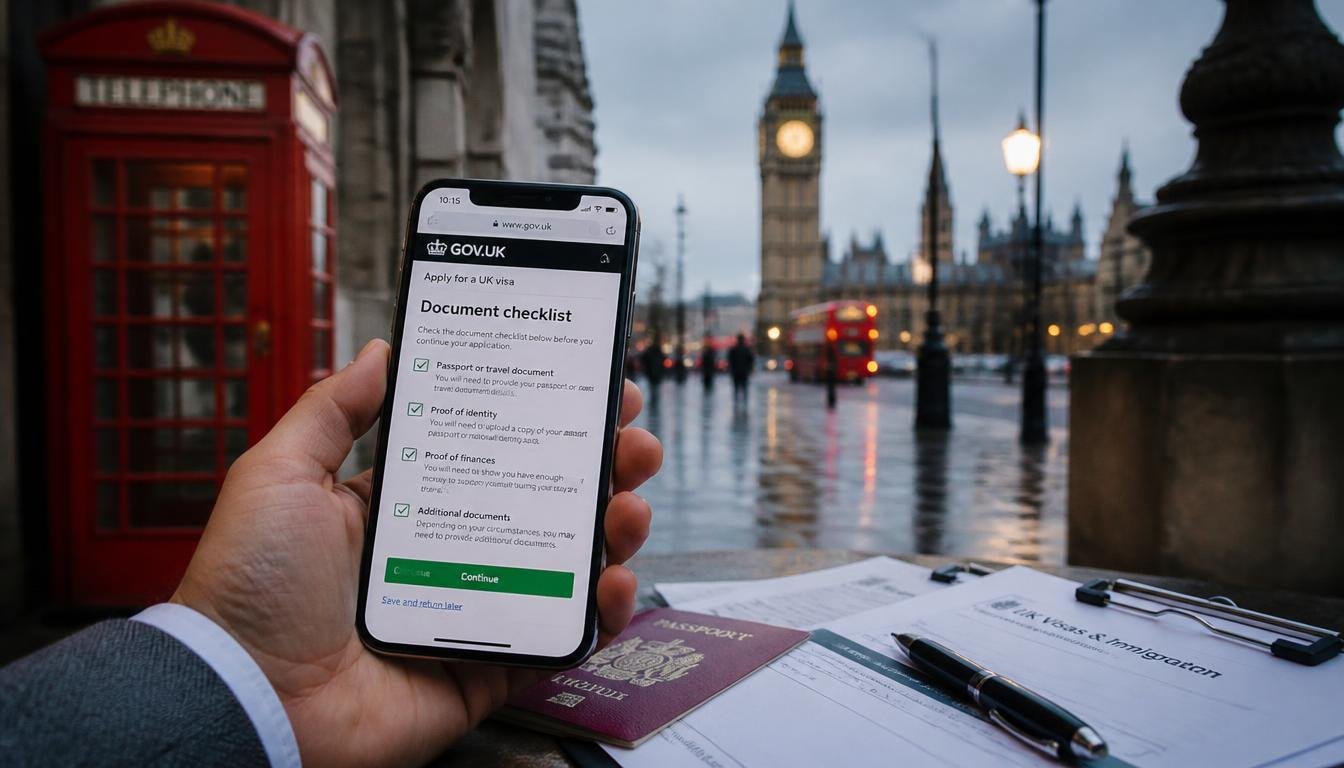
Universal Credit plays a crucial role in determining eligibility for Free School Meals. It is a social security benefit that consolidates various forms of welfare support into a single payment, simplifying the benefits system for families. Under current regulations, families receiving Universal Credit may qualify for Free School Meals, underscoring the interdependence between these two critical support structures. This link emphasizes the importance of Universal Credit in identifying and reaching families in need, thereby facilitating access to essential nutrition for children.
Understanding the principles of FSM entitlement is fundamental for families as it directly affects their access to these benefits. Eligibility is primarily determined by income thresholds set by the government, which ensures that only those with the greatest need can benefit from the program. The rationale behind linking FSM to Universal Credit is that it ensures assistance flows to households facing financial difficulties, allowing children to concentrate on their education without the distraction of hunger.

In this context, the significance of Free School Meals extends beyond mere sustenance; it represents a broader effort to support families and promote educational equality. By ensuring that children receive meals at school, the program helps to reduce barriers to learning and fosters a healthier, more engaged student population. As we delve deeper into the various aspects of FSM and Universal Credit, it becomes increasingly clear how these initiatives interlink to promote welfare and educational outcomes across England.
Eligibility Criteria for Free School Meals under Universal Credit
In England, eligibility for free school meals through Universal Credit is determined by a range of criteria established to support families facing financial hardship. To qualify, a household must primarily rely on Universal Credit as its income source. Specifically, the criteria involve provisions related to income thresholds, family composition, and certain additional factors.

The income threshold for Universal Credit plays a crucial role in determining eligibility for free school meals. Families whose net income is less than £7,400 per year, after tax and allowances, are typically eligible. Notably, this figure is subject to annual review, and families should keep abreast of any changes that might impact their qualification status.
Another critical element in the eligibility determination is the number of children in the family. Each child within a qualifying household can entitle the family to free school meals. Thus, larger households may benefit significantly from these provisions, impacting overall household budget management. Furthermore, some families may have additional considerations, such as disabilities or other specific circumstances, which may provide further justification for assistance.

It is essential to dispel common myths regarding eligibility. For instance, some may believe that part-time employment disqualifies them from receiving free school meals. However, as long as the overall income remains below the stipulated threshold, eligibility is retained. Additionally, there may be misconceptions about applying if the family has savings. Generally, savings do not affect Universal Credit for those under the specified amount, provided the income remains valid.
Overall, understanding the specific eligibility criteria for free school meals under Universal Credit is vital for families in need. Engaging with local educational authorities can also provide tailored advice and eligibility assessments, ensuring that no family misses the opportunity for support.
How to Apply for Free School Meals via Universal Credit

If you are eligible for Universal Credit, applying for free school meals is a straightforward process. The first step is to ensure that you have all the necessary information and documentation at hand to support your application. Begin by accessing your local council’s website, as they typically handle applications for free school meals.
To initiate your application, you will usually need to provide your Universal Credit claim number, personal details, and information about your child, such as their name, date of birth, and school. Some councils might also ask for additional details regarding your income or your family’s situation to verify eligibility. It is essential to gather these documents beforehand to expedite the application process.
Once you have completed your application, be aware of key deadlines; submissions might have specific timelines that align with the school term dates. Failing to meet these deadlines could result in a delay in receiving meal entitlements for your child, so it’s crucial to stay informed. After submitting the application, you might receive confirmation or an information request from your local council regarding any additional details needed.
If your application is approved, you will be informed of the free school meals entitlement and the start date for the provision of these meals. However, should your application be declined, you have the right to appeal the decision. In this case, check with your local council on the appeals process and the timeframe to do so. Additionally, if you need assistance during this process, there are numerous resources available, including local charities and advice services, ready to guide you through the application for free school meals linked to Universal Credit.
Benefits of Free School Meals and Support Resources
Free school meals (FSM) provide vital benefits for children and families, primarily concerning nutrition and financial stability. Access to FSM ensures that children receive nutritious meals daily, which is fundamental for their physical growth, cognitive development, and overall well-being. Proper nutrition has been linked to improved concentration, better performance in school, and enhanced social interactions, allowing children to thrive academically and socially.
From a financial standpoint, free school meals can significantly alleviate the burden on household budgets. Families often face challenges in managing food costs, especially in times of economic hardship. By qualifying for FSM, eligible families can redirect funds typically spent on meals towards other essential needs such as clothing, housing, and educational resources. This sense of financial relief can enhance the quality of life for many, allowing families to invest in their children’s development and opportunities.
In addition to the nutritional and financial benefits, various resources and support systems are available to assist families navigating the process of applying for and maintaining eligibility for free school meals. Local authorities and schools typically have dedicated staff available to guide families through the application process, ensuring they understand the requirements and documentation needed. Furthermore, community programs often partner with schools to offer additional food-related support, including food banks, meal programs, and workshops focused on cooking and nutrition.
For families seeking help, numerous websites provide information on available benefits and eligibility criteria for free school meals. Local charities and organizations may also offer assistance and advocacy. By leveraging these resources, families can better navigate food security issues and ensure their children benefit from proper nutrition through free school meals.