

Understanding Winter Fuel Payments
Winter Fuel Payments are a form of financial support provided by the UK government to assist elderly individuals during the colder months. The main purpose of these payments is to help offset the higher heating costs that often arise during winter, thus ensuring that eligible individuals can keep their homes warm and maintain a basic standard of living. This financial relief is particularly significant for those on fixed incomes or limited means, as it alleviates some of the financial burden associated with energy bills in the winter months.
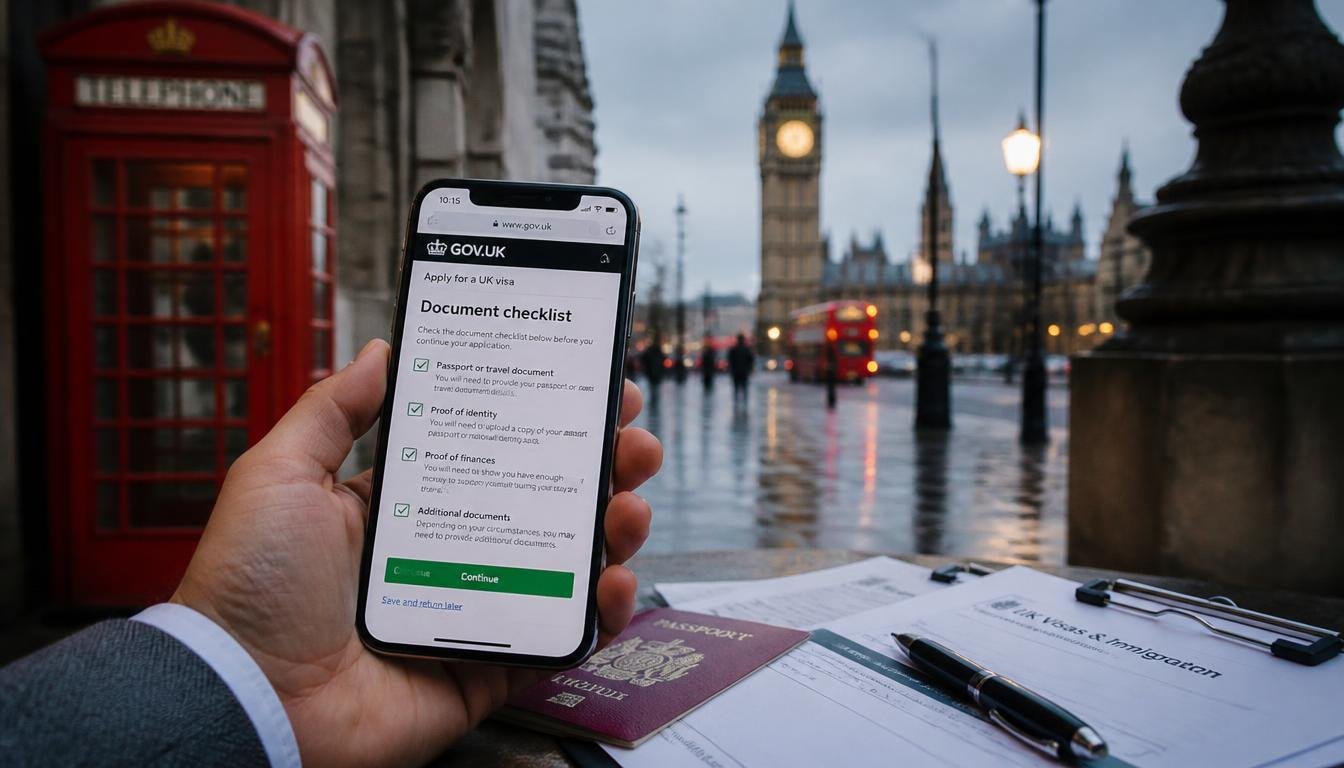
To qualify for Winter Fuel Payments, individuals must meet certain eligibility criteria. Generally, to be eligible, applicants must be aged 66 or over in the qualifying week, which is typically in mid-September. Furthermore, individuals must reside in the UK, the Channel Islands, or the Isle of Man for at least one day during the qualifying week. Payment amounts can vary, depending on the individual’s circumstances, such as their age and whether they live alone or with others.
The history of Winter Fuel Payments dates back to the late 1990s when the initiative was launched as part of a broader effort to tackle fuel poverty among the elderly population. These payments are not only a financial convenience but also serve a significant social purpose by recognizing the challenges faced by older citizens in managing their living costs during the harsher winter months. The payments have evolved over the years and remain a crucial safety net for vulnerable members of society, reflecting the UK’s commitment to ensuring that no one suffers excessively due to the seasonal climate.

In essence, Winter Fuel Payments are more than just a financial allowance; they are a necessary support mechanism that assists older people in coping with the challenges brought about by winter, contributing to their well-being and comfort during the colder periods of the year.
Opting Out of Winter Fuel Payments: Reasons and Process
Winter Fuel Payments serve as a vital financial support mechanism for many individuals during the colder months. However, certain individuals may opt out of receiving these payments for various reasons. The decision to decline these payments often stems from personal circumstances. For instance, individuals with substantial savings or high income levels may feel that they do not require additional financial support. This can be particularly true for affluent retirees who may find these payments unnecessary given their financial stability.

Moreover, opting out can influence future financial entitlements. Some individuals may pursue additional benefits such as housing or income assistance, where having a higher total income could affect eligibility for other forms of support. Thus, the decision to opt out should be considered carefully, as it could potentially lead to a reconsideration of one’s financial standing and related benefit packages in the long term.
The process of formally opting out of Winter Fuel Payments is relatively straightforward. Individuals can initiate this process by contacting the relevant government department, typically the one responsible for social security benefits or pensions in their area. It is essential to gather the necessary documentation, including personal identification and any relevant financial information, to facilitate the deregistration from the payments.

Individuals should ensure that they declare their decision to opt out within the set timeframe established by the government. Meeting these deadlines will help avoid receiving funds that one has chosen to reject, which could otherwise lead to a complicated reimbursement process. Clear communication with the government agency, as well as proper documentation, is crucial in cementing this decision.
In conclusion, determining whether to opt out of Winter Fuel Payments involves assessing one’s financial needs and understanding the implications it may have on other potential benefits. Practicing diligence in the opt-out process will ensure that individuals effectively manage their financial entitlements while making informed decisions about their resources.
Important Deadlines in September 2026

For residents in Manchester contemplating Winter Fuel Payments, understanding the critical deadlines in September 2026 is essential. The process for opting out of these payments involves several specific dates that must be adhered to in order to avoid any potential discrepancies or financial implications.
The first notable date is September 1, 2026. This is the official start of the opt-out period for Winter Fuel Payments. However, this is not merely a formality; individuals considering opting out should familiarize themselves with the process well before this date to ensure all necessary paperwork is completed in a timely manner.
Subsequently, September 15, 2026 marks the deadline for submitting any opt-out requests. It is imperative that applicants have all documentation ready by this point. Failing to submit a request by this date could result in automatic enrollment in the Winter Fuel Payments scheme, which could impact personal budgets for those who may not require such assistance.
Additionally, by September 30, 2026, individuals who have opted out will begin to receive confirmation of their status. This correspondence is crucial as it verifies whether the opt-out request was processed successfully. Missing this confirmation can lead to misunderstandings and unexpected payments, thus highlighting the importance of monitoring any communication from the relevant authorities.
In light of these deadlines, it is essential for Manchester residents to stay informed and proactive regarding their Winter Fuel Payment options. Timely action can prevent complications and ensure that each individual’s financial needs and preferences are respected. Therefore, being vigilant about these critical dates can significantly impact winter budgeting and financial planning for the year ahead.
What to Do After Opting Out
Opting out of Winter Fuel Payments is a significant decision that individuals may take for various reasons. After making this choice, it is essential to understand the subsequent steps to manage your finances effectively during the winter months. The first action to be taken is to confirm your opt-out status with the relevant authorities. Ensure that you have received a confirmation letter or notification so that there are no misunderstandings regarding your entitlement to the payment.
Following confirmation, evaluate your financial situation. The absence of Winter Fuel Payments may impact your overall budget, particularly during the colder months when energy costs can rise significantly. Therefore, it is advisable to review your spending habits and, if necessary, adjust your budget to account for the lack of this support. Consider creating a separate budget plan that highlights your essential expenses, especially heating and other utilities, to prepare for winter effectively.
Moreover, individuals should also keep an eye on how opting out may influence other benefits. In certain circumstances, opting out of Winter Fuel Payments could potentially affect eligibility for related financial support. It is prudent to consult with a financial advisor or welfare expert who can provide personalized guidance based on your situation.
During this transition, exploring alternative sources of income or financial assistance might also be beneficial. Various local charities and governmental programs offer support for those facing financial hardship during winter. Engaging with these resources can help mitigate the impact of not receiving Winter Fuel Payments.
Overall, while opting out of Winter Fuel Payments requires careful consideration, taking proactive steps can help ensure that your financial stability remains intact throughout the winter months.