
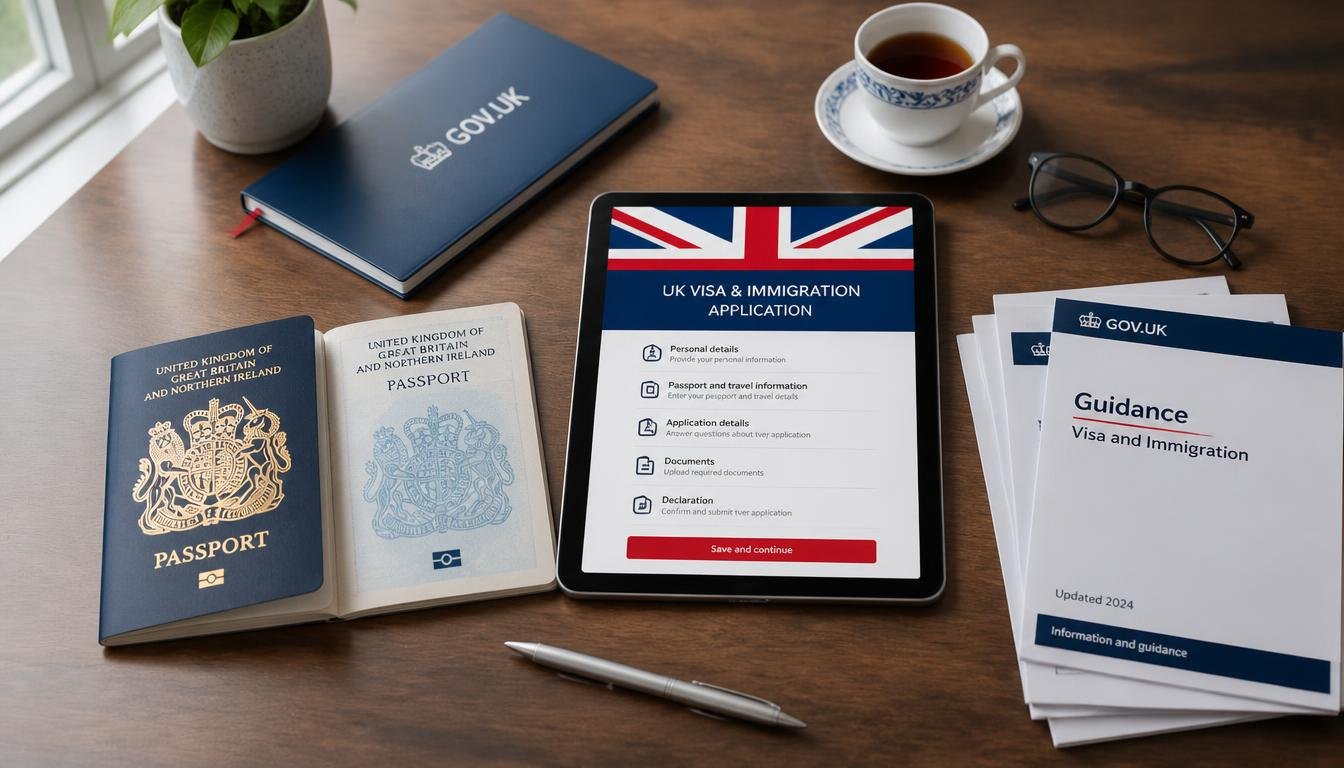
Understanding Universal Credit Appointments
Universal Credit appointments are crucial interactions between claimants and the Department for Work and Pensions (DWP). These meetings are designed to assess and review a claimant’s eligibility for Universal Credit, a welfare benefit intended to support individuals and families with low income or financial difficulties. The appointments may include a variety of formats, such as face-to-face interviews, phone assessments, and digital consultations, each serving a distinctive purpose in the overall application process.
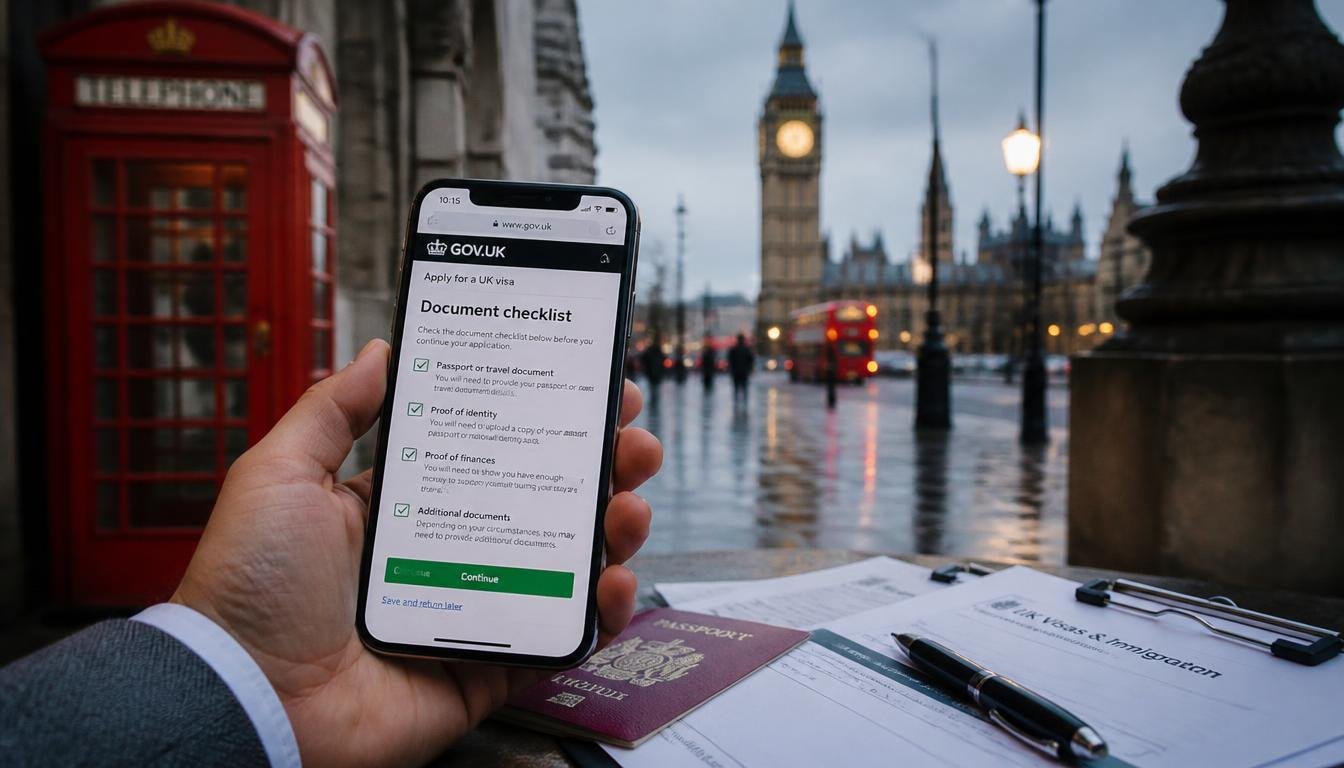
One of the primary types of Universal Credit appointments is the initial interview, where claimants meet with a work coach to discuss their situation and establish their commitments. This meeting is vital as it sets the foundation for the claimant’s journey through the benefits system, allowing the DWP to gather essential information and outline the claimant’s responsibilities and available support. In addition, assessments may follow to review the ongoing needs of claimants, ensuring that appropriate benefits continue to be provided.
Follow-up appointments are also an integral aspect of the Universal Credit scheme. These are typically scheduled to monitor the claimant’s progress and changes in circumstances that might affect their eligibility or benefit amount. Regular meetings promote accountability and enable the DWP to assist individuals effectively, ensuring that claimants stay on track with their obligations while receiving the support necessary for their situation.

Understanding the significance of these appointments is fundamental for anyone applying for Universal Credit. Missing an appointment can lead to delays in accessing benefits or even reductions in payments. Therefore, claimants must prioritize these interactions to maintain their entitlement and facilitate a smoother navigation through the complex Universal Credit system.
Potential Consequences of Missing an Appointment
When an individual fails to attend a Universal Credit appointment, several significant repercussions can arise, ultimately impacting their financial support and future dealings with the system. Firstly, one of the most immediate consequences is the potential loss of benefits. Universal Credit is contingent upon attendees fulfilling certain obligations, including attending scheduled appointments. Missing one of these appointments can prompt a review of the claimant’s benefit status, leading to a suspension or reduction of payments.

Additionally, sanctions may be imposed as a direct result of missing appointments. These sanctions come in various forms, such as temporary reductions in payments or eligibility to receive Universal Credit. For instance, a claimant might face a 40% deduction in their award for a specific period if they do not engage in the required activities, such as attending their appointment or participating in job-seeking initiatives. This can lead to heightened financial strain and difficulty in managing living expenses.
In terms of the broader impact, missing a Universal Credit appointment can significantly affect a claimant’s future interactions with the system. Repeated infractions may lead to increased scrutiny of the claimant’s eligibility, resulting in additional requirements or conditions that must be met before benefits can be reinstated. Individuals may also encounter a more complicated application process for any future claims, which could further delay their access to necessary support.

Real-life case studies exemplify the consequences of missed appointments. For instance, a claimant who missed their appointment due to misinformation suffered a sanction that resulted in distress and financial hardship. This situation highlights the critical importance of understanding appointment obligations and the severe implications of neglecting them.
How to Reschedule or Cancel an Appointment
When you find yourself in a position where you need to reschedule or cancel your Universal Credit appointment, it is essential to follow the appropriate procedures to ensure that you remain compliant and avoid any potential penalties. The first step in this process is to notify the relevant authorities as soon as possible. The Department for Work and Pensions (DWP) encourages individuals to make contact at least 24 hours prior to their scheduled appointment. This advance notice is critical, as it allows the DWP to accommodate your needs and make necessary adjustments without negatively impacting your claim.

To reschedule or cancel your appointment, you can typically do so through the online Universal Credit account, which provides a straightforward method for managing your appointments. Alternatively, you may call the Universal Credit helpline for direct assistance. Whichever method you choose, ensure that you have your National Insurance number and relevant personal information handy, as these will be required to authenticate your request. It’s important to communicate clearly, stating your need to reschedule or cancel and providing any necessary context to support your request.
In addition to notifying the DWP, it is equally important to consider the implications that a no-show can have on your Universal Credit claim. Missing an appointment without proper notification may lead to a sanction, which could affect your benefits. Therefore, prioritizing communication with the DWP about any changes to your schedule is crucial in avoiding penalties. If done correctly, rescheduling or canceling your appointment can be a seamless process and allows for continued support from Universal Credit without unnecessary disruptions to your financial stability.
Advice and Support for Claimants
Attending scheduled appointments is a critical component of successfully navigating the Universal Credit system. However, various factors, including health issues, personal circumstances, or unforeseen incidents, can make it challenging for some individuals to fulfill this requirement. Understanding the available support and resources can aid claimants in managing these difficulties effectively.
One of the primary resources available is local community organizations that offer support specifically for Universal Credit claimants. Many of these organizations provide advice on how to handle appointments and what to do if a missed appointment occurs. For example, Citizens Advice is a well-known resource, offering detailed guidance and helping individuals to understand their rights and responsibilities within the Universal Credit framework.
Additionally, several helplines and advocacy services are available for those who may require immediate assistance or confidential discussions regarding their situations. For instance, the Universal Credit helpline is available to answer questions and provide information regarding missed appointments and their implications.
Moreover, healthcare providers may also play a significant role in supporting claimants facing health issues that impede their ability to attend appointments. They can provide documentation and letters that explain the circumstances affecting attendance, which can be particularly useful if a claimant needs to discuss their situation with the Department for Work and Pensions (DWP).
Community services, such as mental health organizations and disability support groups, can also offer essential assistance. These organizations often provide resources for managing appointments and can help connect individuals with local support networks tailored to their specific circumstances.
Ultimately, claimants should not hesitate to reach out for support and resources if they encounter barriers in attending Universal Credit appointments. Engaging with the appropriate organizations can help them navigate the system more effectively and minimize the potential consequences of missed appointments.