
Introduction to PIP Claims
Personal Independence Payment (PIP) is a benefit designed to help individuals with disabilities or long-term health conditions manage their daily living expenses. Established to replace Disability Living Allowance (DLA), PIP is tailored to provide financial support based on an individual’s specific needs rather than their diagnosis. The primary aim is to encourage independence and enhance the quality of life for those who face challenges due to disabilities.

To be eligible for PIP, applicants must meet certain criteria established by the Department for Work and Pensions (DWP). Primarily, individuals must be aged between 16 and state pension age. They must also have a long-term health problem or disability that affects their ability to carry out everyday activities or mobility, and this condition must have lasted for at least three months and be expected to continue for at least nine months into the future.
The PIP assessment process is structured around two main components: the daily living component and the mobility component. The daily living component is designed for those who need help with everyday tasks, while the mobility component supports those who have difficulties with travel or moving around. Points are awarded in the assessment based on how much support is required, determining the level of payment an individual can receive.

In Manchester, the processing of PIP claims follows the national guidelines set by the DWP but can be influenced by the number of applications and local operational factors. Understanding PIP, including its purpose and eligibility, is crucial for potential claimants who need assistance navigating the claims process effectively. This overview will provide a foundational understanding that will be essential as we explore the specific claim processing times and experiences in Manchester.
The PIP Claim Process Explained
The Personal Independence Payment (PIP) claims process involves several structured steps aimed at ensuring that individuals receive the benefits they are entitled to. Understanding the details of this process is critical for claimants in Manchester seeking to navigate the complexities of the system successfully.

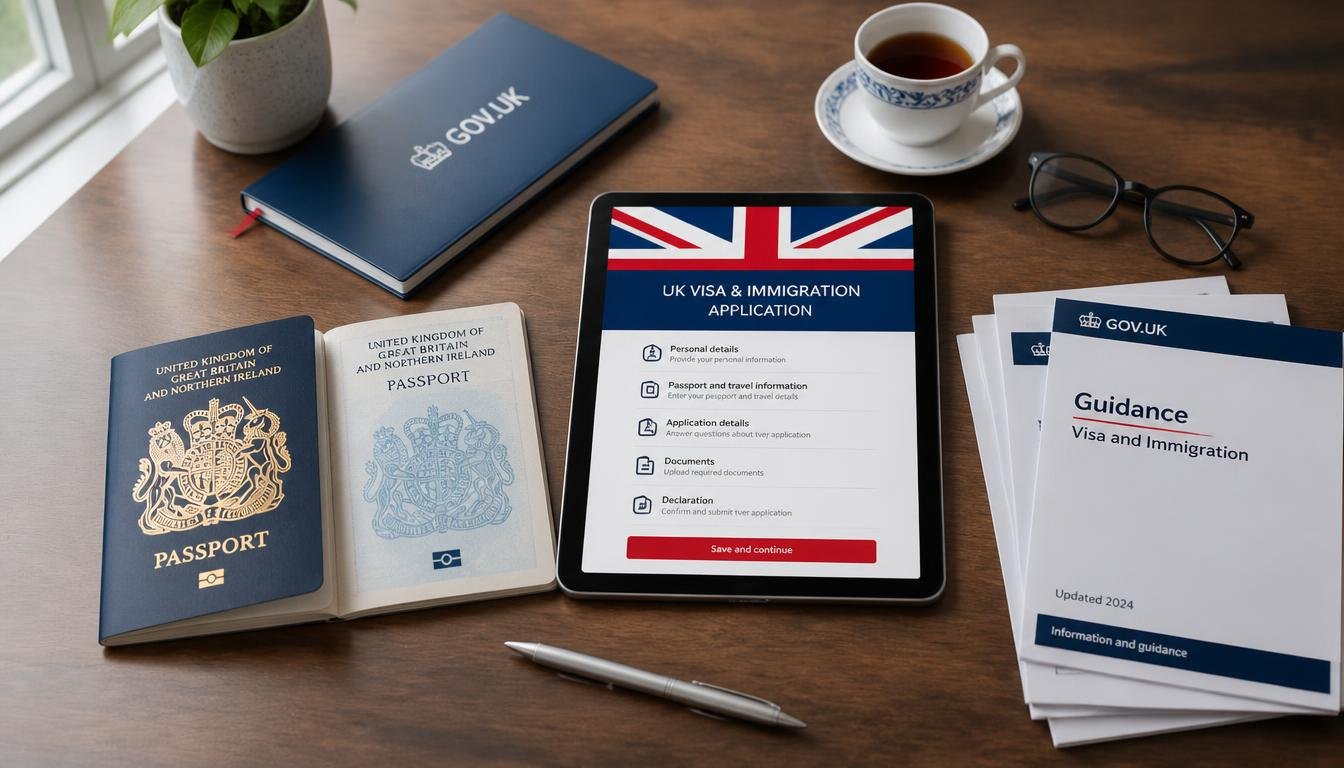
The journey begins with the initial application for PIP. Individuals can initiate the process by contacting the Department for Work and Pensions (DWP), either online or via phone, to request an application form. It is advisable to gather personal information beforehand, including identification details, National Insurance number, and a list of the assistance needed due to their health condition or disability.
Once the application form is received, claimants should carefully fill it out, providing thorough and accurate information about their medical conditions, daily living requirements, and mobility needs. Detailed descriptions are essential, as they help assessors understand the extent of the claimant’s needs. After the form is completed, it must be returned to the DWP as per their instructions.

Alongside the finished application form, specific documentation is required. This may include medical reports, statements from healthcare professionals, and any other relevant evidence that can support the claim. It is crucial for claimants to provide these documents to avoid delays, as missing information can hinder the entire claims process.
Subsequent to the submission, the DWP will review the claim and may request an assessment with a healthcare professional. This step is important, as it involves a face-to-face meeting or a telephone consultation, depending on the situation. The assessor will evaluate how disabilities or health conditions affect daily living and mobility, which plays a decisive role in determining eligibility for PIP.

Overall, understanding the PIP claims process is vital for applicants in Manchester. By following these steps diligently and providing comprehensive documentation, individuals can improve their chances of a successful claim outcome.
Timeline for PIP Claims in Manchester
Personal Independence Payment (PIP) claims in Manchester have specific timelines that applicants should be aware of. Generally, the standard processing time for PIP claims is approximately 12 weeks. However, numerous factors can either extend or shorten this timeline, making it essential for applicants to understand the overall landscape.
The initial step in the PIP claims process involves completing the application form. Once the application is submitted, it goes through an initial review, typically lasting about six weeks. During this duration, the Department for Work and Pensions (DWP) assesses your eligibility and determines if additional information is required. This assessment phase can be influenced by the complexity of the case or the supporting documentation provided. In cases where the applicant has significant health issues or complex circumstances, the processing might take longer due to the requirement for more detailed evaluations.
After the initial review, if the DWP deems it necessary, they may request a face-to-face consultation with a healthcare professional. This consultation aims to gather more comprehensive insights into the applicant’s needs and how their situation may affect their daily lives. Depending on the availability of appointments and the healthcare professional’s schedule, waiting times for these assessments can vary, potentially adding several weeks to the overall processing time.
Further influencing the timeline are external factors, such as the number of claims being processed at any given time. In periods of high demand, such as economic shifts or policy changes, backlogs may form, causing delays in decisions. Applicants should remain updated on any announcements from the DWP related to processing times and claim handling protocols.
Ultimately, while the standard processing time for PIP claims in Manchester stands at approximately three months, applicants must remain informed about the factors that could affect this timeframe, ensuring they are prepared for potential delays or additional requirements throughout the process.
Factors Affecting PIP Processing Times
The processing times for Personal Independence Payment (PIP) claims can be significantly influenced by various factors, which can either expedite or delay the approval process. Understanding these elements is crucial for applicants in Manchester, especially as the administrative landscape may shift in the years leading to 2026.
One of the primary factors impacting PIP processing times is the completeness and accuracy of the application submitted by the claimant. An application that is missing essential documentation or information can lead to extensive delays. Therefore, it is vital for applicants to ensure that all sections of their PIP forms are filled out correctly and comprehensively. This includes providing sufficient medical evidence to support the claim, which can also expedite the consideration of the application.
Another significant factor contributing to PIP claims processing times is the waiting period for assessments. Once an application is submitted, claimants are often required to undergo a face-to-face assessment, which is conducted by an independent healthcare professional. The scheduling and completion of these assessments can vary based on several conditions, including the availability of assessors in the local area and the volume of claims being processed at any given time.
Moreover, external factors such as administrative backlogs can substantially prolong the timeline. Instances where there is a surge in applications, perhaps due to policy changes or heightened public awareness of PIP, can overwhelm administrative resources, leading to increased waiting times. Additionally, unforeseen events such as changes in government policies or public health crises may also disrupt normal processing operations.
It is essential for applicants to remain informed about these factors and stay proactive in following up on their claims, ensuring they know the status and any possible actions they can take to facilitate faster processing.
What to Do If Your Claim Takes Too Long
Experiencing a delay with your Personal Independence Payment (PIP) claim can be stressful, particularly when you are relying on this financial support. If your application exceeds the expected processing time, it is essential to take proactive steps to address the situation. Begin by reviewing the standard processing times for PIP claims in Manchester, which typically fall within 8 to 12 weeks. If your claim has surpassed this timeframe, you have several options available to you.
The first course of action is to contact the Department for Work and Pensions (DWP). They can provide updates on your claim status and any reasons for the delay. You can reach the DWP through their dedicated helpline for PIP inquiries. When calling, it’s advisable to have your National Insurance number and claim details on hand, as this will streamline the process and allow the representative to locate your application quickly.
Additionally, you may want to follow up with your healthcare provider or any supporting professionals who contributed to your claim. They might have insights or updates that could clarify the situation regarding your claim, especially if they submitted additional medical evidence on your behalf.
If your concerns persist after contacting the DWP, consider requesting to speak with a supervisor. Often, a higher-level team may have more information on unusual delays and can escalate your inquiry appropriately. Keep a record of all communications for your reference, as it can be beneficial should you need to take further action.
Lastly, if you feel that your case is not being handled within a reasonable time frame, you can also consider contacting your local Member of Parliament (MP). They can assist in liaising with the DWP to expedite your claim or address any systemic issues that may be contributing to the delays.
Common Reasons for PIP Claim Delays
In the process of obtaining Personal Independence Payment (PIP), many applicants find themselves facing delays that can be frustrating and stressful. Understanding the common reasons for these delays is crucial for both claimants and those assisting them. One primary reason for delays is the submission of incomplete or missing information. The initial claim form, which is vital for assessing an applicant’s eligibility, must be filled out meticulously. Any oversight or lack of required details can result in significant delays as the claim is stalled pending the missing information.
Additionally, many PIP claims encounter delays due to the need for further evidence. The Department for Work and Pensions (DWP) often requires additional documentation to substantiate a claimant’s needs. This could include medical records or reports from healthcare providers. If such evidence is not readily available, obtaining it can prolong the decision-making process, causing frustration for applicants who are awaiting an outcome.
Another common issue is related to scheduling conflicts for assessments. In-person assessments are an integral part of the PIP claims process. However, it has been observed that there are often lengthy wait times to secure an appointment. This is particularly evident in areas with higher populations, such as Manchester, where demand for these assessments may exceed the available slots. As a result, delays can accumulate, leading to prolonged wait times for applicants.
Furthermore, administrative inefficiencies within the DWP can also contribute to delays in PIP claims processing. Backlogs in processing and a high volume of claims can overwhelm the system, slowing down the overall progress of individual claims. These factors highlight the importance of thorough preparation and understanding the potential hurdles in the PIP claims journey to better navigate the complexities involved.
Understanding Your Rights During the Process
When navigating the Personal Independence Payment (PIP) claims process in Manchester, it is essential for individuals to be aware of their rights. Claimants are afforded various legal protections and entitlements, beginning with the right to receive clear and understandable information about the process. This information encompasses details on eligibility criteria, the types of evidence required, and the timelines associated with the claims procedure.
One of the fundamental rights of a PIP claimant is the right to appeal decisions made regarding their claim. In instances where an individual’s application is refused or they disagree with the awarded level of support, they are entitled to challenge this outcome. The appeals process is designed to ensure that decisions can be reviewed and, if necessary, corrected. It is crucial for claimants to utilize this right effectively by adhering to the specified timelines for submitting appeals, which generally involve a mandatory reconsideration step before a formal appeal can take place.
Furthermore, individuals making a PIP claim have the right to seek assistance throughout the claims process. Various organizations offer support and guidance to help claimants understand their rights and navigate the complex landscape of PIP applications. This assistance can include advice on gathering the necessary documentation, completing forms, and preparing for assessments, which are critical components of the claims process. By accessing these resources, individuals can enhance their understanding and increase their chances of a favorable outcome.
In summary, understanding your rights during the PIP claims process is vital. Claimants are empowered not only to appeal unfavorable decisions but also to seek support to effectively manage their claims. Awareness of these rights can significantly impact the overall experience and success of the claim process in Manchester.
Updates and Changes in PIP Regulations
As of 2026, the landscape of Personal Independence Payment (PIP) regulations in the United Kingdom has undergone significant transformations. These changes are critical for understanding how processing times may be affected. The Department for Work and Pensions (DWP) has continuously adapted its policies to respond to feedback from claimants and advocacy organizations. A notable update includes the simplification of the assessment process, aimed at reducing the overall complexity experienced by applicants.
One of the primary changes involves the integration of digital solutions into the claims process. The DWP has launched new online platforms that allow claimants to submit applications and supporting evidence electronically. This modernization has the potential to speed up initial assessments and reduce waiting times. However, it also raises concerns regarding accessibility for individuals who may not be comfortable with digital technologies.
Another significant change includes the review of criteria used to assess eligibility for PIP. With the 2026 updates, the government has broadened the definitions of certain disabilities, which could lead to a greater number of claims being processed favorably. However, the flip side of this expansion is an increased workload for case handlers, which may lead to variable processing times, depending on demand and resource allocation.
Furthermore, there are ongoing discussions surrounding the frequency of reassessments. The DWP has indicated a potential shift toward longer intervals between assessments for claimants with severe and long-term disabilities. This could ultimately affect the overall processing times, as fewer reassessments may alleviate some administrative pressure on the system.
In conclusion, the updates and changes to PIP regulations are anticipated to have a multi-faceted impact on processing times in Manchester and beyond. The interplay of simplified processes, digital advancements, and changes in eligibility criteria reflects the government’s ongoing effort to refine PIP, ensuring it meets the evolving needs of individuals requiring support.
Conclusion and Final Thoughts
In conclusion, understanding Personal Independence Payment (PIP) claims processing times in Manchester is essential for potential claimants and their advocates. The insights provided throughout this blog post have highlighted several critical aspects, including the factors influencing processing times, the roles of different organizations involved, and the variance in timelines across various circumstances.
Firstly, it is important to recognize that PIP processing can significantly vary depending on individual cases, information accuracy, and the volume of claims being handled at any given time. Delays may arise due to incomplete applications, the need for further assessments, or high demand periods. Claimants can better navigate the system by remaining aware of these factors and keeping their documentation organized.
Furthermore, staying informed about the latest changes or developments in PIP regulations is crucial. The government periodically updates its policies and processes, which can directly impact processing timelines. Claimants are encouraged to utilize available resources, such as official government websites or advocacy groups, to obtain accurate information and support.
Finally, while waiting for PIP claims to be processed can be a challenging experience, understanding the overall landscape can foster a sense of empowerment. Claimants should be proactive in their approach and seek assistance if they encounter significant delays. Engaging with professionals who specialize in PIP claims can provide clarity and help streamline the process.
Ultimately, being well-informed about PIP claims processing times in Manchester can greatly benefit applicants, enabling them to make educated decisions and potentially hasten their claims through diligent follow-up and understanding of the necessary steps. By keeping these key points in mind, readers can navigate the complexities of PIP claims with greater confidence and assurance.