
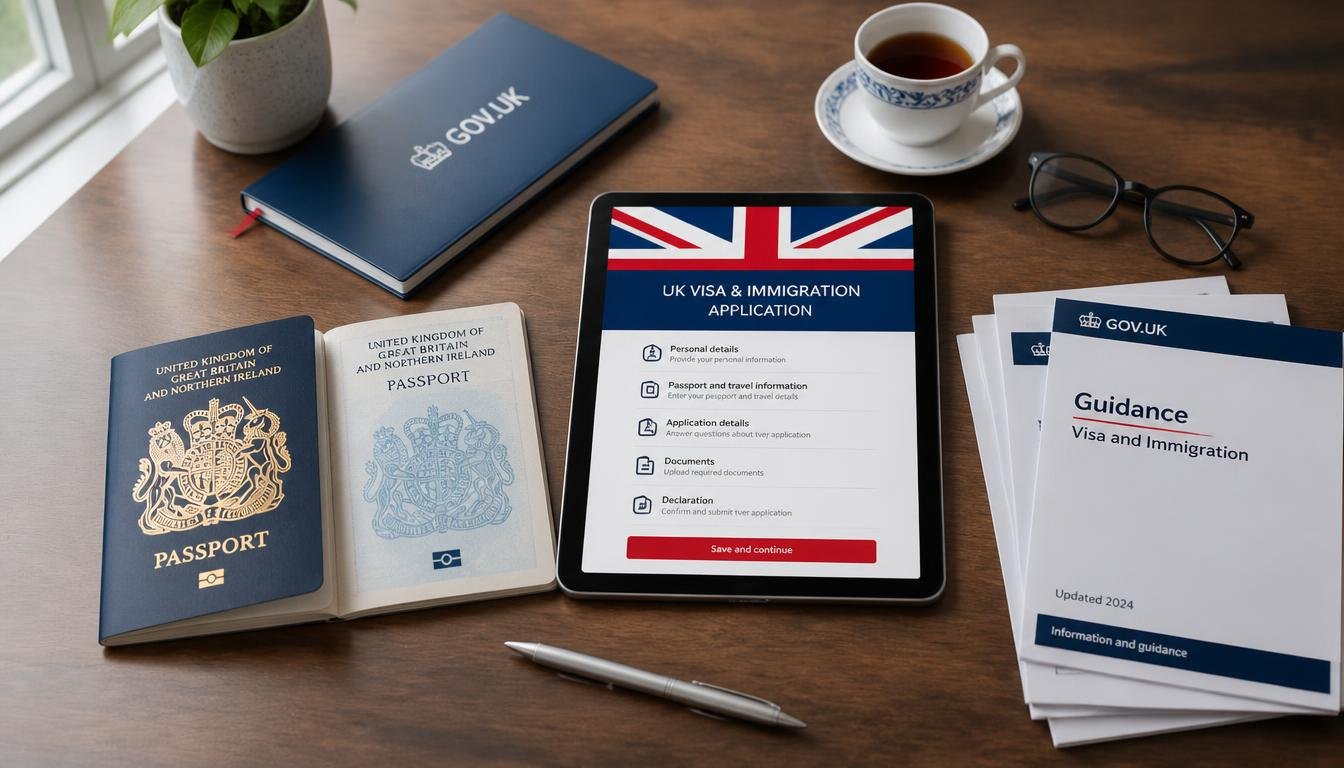
What are Free School Meals?
Free School Meals (FSM) are a nutritional support initiative in England designed to ensure that children from eligible low-income families receive meals at school without charge. The primary objective of this program is to improve the health and well-being of school-aged children by providing them with access to nutritious meals during school hours. The provision of such meals plays a crucial role in combating food insecurity and ensuring that every child has the opportunity to learn, regardless of their family’s financial circumstances.
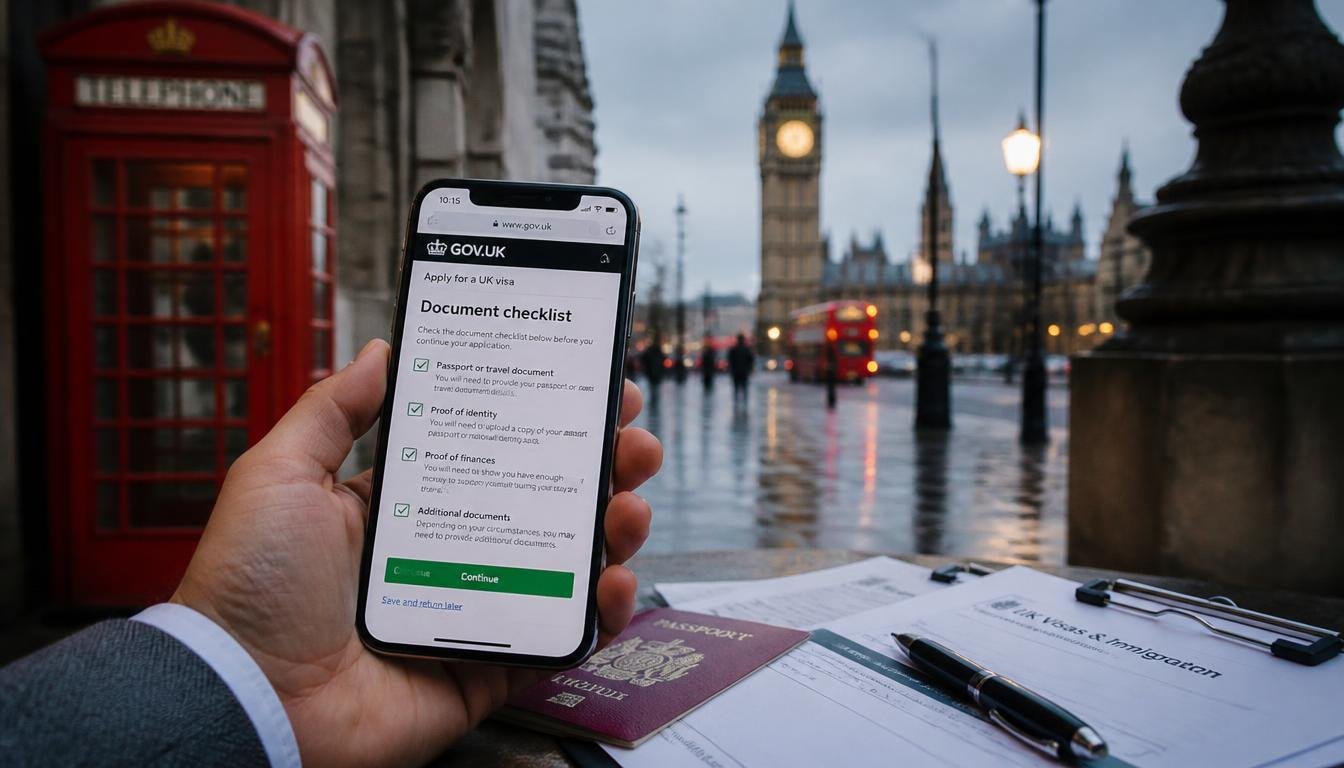
The eligibility for free school meals primarily targets families receiving specific types of social security benefits. These typically include families on Universal Credit, those receiving Income Support, or Jobseeker’s Allowance. The threshold for income varies, depending on the size of the family and the specific requirements set by local authorities. It is essential for families to understand these criteria to ascertain whether they qualify for FSM, as that can lead not only to improved nutrition for their children but also to financial savings for their household.
The benefits of free school meals extend beyond just providing food. By fostering a healthier eating environment, these meals contribute to better concentration and academic performance among students. Additionally, the implementation of FSM can alleviate some financial pressures on families, allowing them to allocate resources to other essential needs. Overall, the provision of free school meals is a significant consideration in fostering equitable educational opportunities and promoting the health of children from economically disadvantaged backgrounds.
The Role of Universal Credit in Free School Meals Eligibility

Universal Credit (UC) is a significant factor determining a family’s entitlement to free school meals (FSM) in England. Introduced as part of the welfare reform, UC replaces various benefits, streamlining the process for families in need of support. Understanding how UC affects eligibility for FSM is crucial for ensuring that children from low-income backgrounds receive the nutrition they require during school hours.
To qualify for FSM under Universal Credit, families must meet specific income thresholds. As of 2023, the gross annual income limit set for free school meal eligibility is £7,400, after tax and any deductions. This threshold is particularly important as it differentiates those families who can receive FSM support from those who cannot. It is essential for families to regularly check their income status and monitor any changes that may impact their entitlement, especially as they transition into or out of the Universal Credit system.

Additionally, families transitioning from legacy benefits to Universal Credit must be aware that their eligibility for FSM might change during this process. For example, if a family is already receiving free school meals under legacy benefits, they must ensure that they update their information once they begin receiving Universal Credit. Failing to do so could lead to a loss of FSM support, potentially affecting children’s access to nutritious meals at school.
It is also worth noting that additional provisions exist for families facing temporary financial difficulties. For instance, a family experiencing a sudden loss of income due to job changes may still qualify for tailored support during the transition period. Awareness of these provisions helps families navigate their options and maximize the benefits available to them.

In conclusion, Universal Credit plays a vital role in determining eligibility for free school meals. Understanding the qualifying income thresholds and the implications of transitioning from other benefits ensures that families can secure the necessary assistance for their children’s well-being.
Updates and Changes to Policies by September 2026
As the government continues to evaluate the effectiveness of its welfare policies, significant updates to the Free School Meals (FSM) program and Universal Credit (UC) eligibility are anticipated by September 2026. These changes may have profound implications for families across England, particularly those facing financial hardships.

The government has indicated its commitment to reviewing existing welfare support systems to address the evolving economic landscape. This includes potential reforms to the FSM eligibility criteria. Currently, children from families receiving Universal Credit are entitled to free school meals if their household income falls below a certain threshold. With the rising cost of living, there is a growing consensus that this income threshold may need to be adjusted. Some proposed legislative changes aim to ensure that more families can access free school meals, thereby providing essential nutritional support to children during their formative years.
In addition to potential changes to FSM, updates to Universal Credit itself are expected as part of a broader strategy to improve financial support mechanisms for low-income households. The government is exploring adjustments to the taper rate, which determines how much benefits decrease as earnings increase, to incentivize work without significantly penalizing low-income earners. This adjustment could mean that families on Universal Credit may see an increase in their disposable income, thus affecting their eligibility for FSM.
Moreover, forthcoming consultations with various stakeholders, including schools, parents, and advocacy groups, signify a proactive approach to policy-making. These discussions aim to gather insights and identify the needs of families, ensuring that changes are both effective and equitable.
As we approach 2026, it is crucial for families to stay informed about these potential changes to Free School Meals and Universal Credit. The outcomes of government consultations and policy updates will play a pivotal role in shaping the future of support systems designed to alleviate childhood hunger and assist families in need.
How to Apply for Free School Meals
Applying for free school meals in England can be a straightforward process if you follow the necessary steps and provide all required information. Families can benefit from free school meals if they meet certain eligibility criteria. Below is a comprehensive guide to assist you in navigating this application process efficiently.
Firstly, it is essential to check your eligibility for free school meals. Families may qualify if they receive certain benefits, such as Universal Credit, Income Support, or Child Tax Credit. It is advisable to visit the official government website to verify the current criteria, as these can change periodically.
Once you have confirmed your eligibility, you can begin your application. The application process typically involves accessing your local council’s website where you can find the online application form. Some councils may offer paper applications, but online forms are generally preferred for their convenience and speed.
While filling out the application, ensure that you have the necessary documentation at hand. This may include your National Insurance number, proof of benefits, and personal identification details for each child you are applying for. Having these documents ready will expedite the processing time of your application.
After submitting your application, you should receive a confirmation from your local council. It is vital to check the status of your application if you do not hear back within a few days. Maintaining contact with the council can help address any potential issues or delays in processing.
Lastly, for a smoother application experience, it is recommended to follow up and ensure that your children are obtaining their free school meals promptly after your application has been approved. Should there be any changes in family circumstances, it is necessary to update your council accordingly, as this may affect your ongoing eligibility.