
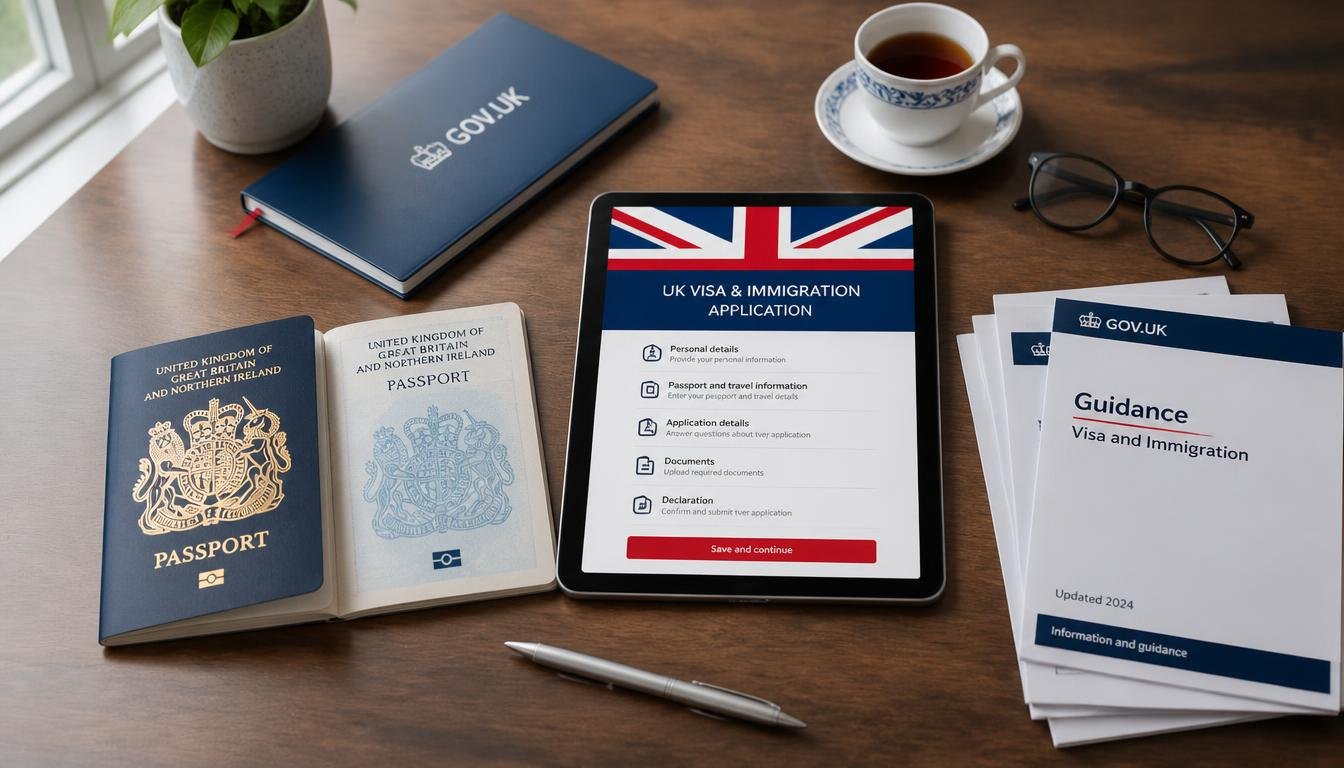
Understanding Universal Credit
Universal Credit is a welfare benefit in the United Kingdom designed to support individuals and families who are in need of financial assistance due to low income or unemployment. Launched in 2013, this comprehensive benefit system replaced several previous benefits and tax credits, streamlining the support process for those requiring financial help. Universal Credit aims to simplify the welfare system, making it more efficient for recipients and the administration.
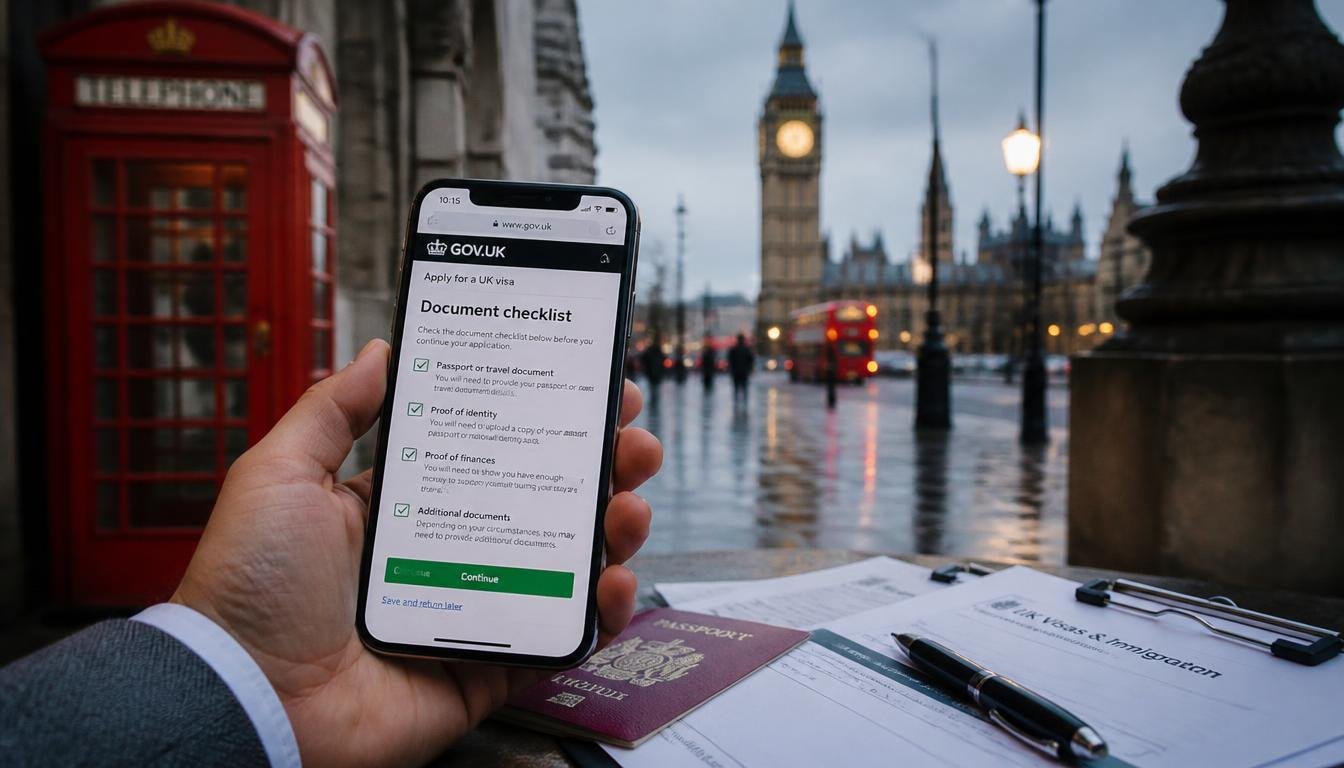
Eligibility for Universal Credit is primarily determined by several factors including income, work status, age, and residency in the UK. Generally, it is available for individuals and families with low earnings or those who are out of work. This encourages a transition towards employment by allowing individuals to retain more of their earnings as they increase their work hours, thereby promoting the principle that work pays.
The components of Universal Credit encompass various aspects of financial support, providing assistance for housing costs, child care, and living expenses. This flexibility is particularly beneficial for low-income families, including those with children, who may face various expenses affecting their financial stability. The benefit is calculated based on individual circumstances, including housing situation and personal savings, to ensure targeted assistance.

Moreover, Universal Credit significantly impacts the financial stability of recipients by addressing immediate monetary needs while also incentivizing employment. This system not only offers necessary assistance to families in financial distress but also fosters a sense of security as beneficiaries transition towards sustainable economic independence.
Who Qualifies for Free School Meals?
In England, free school meals are an essential support mechanism aimed at ensuring that children from low-income families have access to nutritious food during school hours. To determine eligibility for free school meals, specific criteria are laid out, primarily based on the family’s income and circumstances.

Firstly, one of the core requirements is that the family must be in receipt of certain qualifying benefits. These include Income Support, Income-Based Jobseeker’s Allowance, Income-Related Employment and Support Allowance, or support under Part VI of the Immigration and Asylum Act 1999. Additionally, families receiving Universal Credit can also qualify, but only if their monthly earnings do not exceed a specified threshold, which, as of the latest guidelines, is set at £7,400 per year, after taxes and other deductions.
Furthermore, families with children who are looked after or who have been granted a special guardianship order may also be eligible, regardless of income. Children of families who are in receipt of certain tax credits may qualify; however, it is essential to check the most recent regulations since thresholds can vary based on adjustments in policy and funding.

It is also crucial for families to report any changes in their circumstances, such as a change in employment status or income level, as this can affect their eligibility. Local authorities routinely review eligibility criteria and may require families to reapply for free school meals periodically. As such, staying informed about the specific regulations in your area is vital to ensure continuous access to this support.
Overall, understanding the eligibility criteria for free school meals is imperative for low-income families in England, as it can have a significant impact on their children’s well-being and educational experience.
The Connection Between Universal Credit and Free School Meals

Universal Credit is a financial support system designed to assist families in need, and it plays a significant role in determining eligibility for additional benefits, including free school meals for children. Families who qualify for Universal Credit are often facing financial hardships, making it crucial for them to access all available forms of support, such as free meals at school.
The link between Universal Credit and free school meals is straightforward. Families receiving Universal Credit are automatically eligible for free school meals for their children, provided their income falls within the specified thresholds. This connection reduces the administrative burden on families, as they do not need to navigate separate applications for each type of support. Instead, if a household is receiving Universal Credit, schools are notified, allowing for streamlined access to necessary resources for children’s nutrition.
To apply for free school meals under this system, families must ensure they are receiving Universal Credit. The application process is generally managed through the local council, where parents can provide their Universal Credit details to confirm eligibility. This process may vary slightly depending on the local authority, but it typically involves a straightforward submission of relevant information.
Aside from ensuring that children receive healthy meals at school, the provision of free meals removes some of the financial strain on families. It also promotes better learning outcomes by ensuring that students have the necessary nutrition to engage fully in their education. By understanding the direct connection between Universal Credit and free school meals, families can better navigate the support available to them, enabling their children to thrive in a school environment.
Application Process for Free School Meals in 2026
The application process for free school meals in 2026, particularly for those eligible under Universal Credit, requires careful preparation to ensure a successful outcome. The first step is to determine eligibility, which is commonly based on the income thresholds set by the government. Parents or guardians must confirm that their household income falls within these limits and ensure they meet the necessary criteria.
To begin the application process, it is advisable to visit the local council’s website dedicated to free school meals. The online portal typically provides comprehensive guidance and links to the relevant forms that need to be completed. The primary document required is the online application form, where applicants will be asked to provide personal details, including names, addresses, and National Insurance numbers.
In addition to the online application form, applicants must submit certain supporting documentation. This includes evidence of Universal Credit entitlement, which can be obtained from the Department for Work and Pensions (DWP). This documentation verifies that the household qualifies for assistance and must be recent to reflect the current financial situation.
Moreover, it is essential to double-check all information provided in the application form to prevent delays. Small errors can result in complications or disqualification, so meticulous attention to detail is crucial. Some councils also accept applications via post, but online submissions are generally faster and more efficient. Therefore, using the online process is recommended for immediate feedback.
After submitting the application, parents should receive confirmation from the local council regarding the eligibility status. This process usually takes a few days, although response times may vary across different councils. Finally, for those who apply successfully, it is vital to keep track of the application status and ensure that any changes in financial circumstances are promptly reported, as these can affect ongoing eligibility.
Changes in Policy: What to Expect in 2026
As the landscape of social assistance evolves, families in England are keenly anticipating the modifications to Universal Credit and free school meals eligibility in 2026. The government is implementing reforms aimed at enhancing the support structures for families, primarily to address rising living costs and food insecurity among children.
Recent discussions among policymakers indicate a potential simplification of the eligibility criteria for free school meals, particularly for families receiving Universal Credit. The intent is to ensure that no child goes hungry in educational settings. While the current threshold for Universal Credit eligibility is set at a specific income level, proposals are circulating to consider additional factors such as household size and regional costs of living. This will enable a more equitable approach to determining who qualifies for free school meals.
Moreover, there are expectations of increasing the age limit for free meals in schools. Currently, eligibility extends to children in primary education, with limited provisions for older students. In response to advocacy from parents and educational bodies, there are indications that this age limit might be raised, providing greater support for families with children in secondary education.
Another area under review is the administrative process for claiming free school meals. It is anticipated that digital platforms will be enhanced to facilitate quicker application and verification processes for families, aligning with the overall initiative to digitize public services. This is expected to reduce barriers that might deter families from accessing their rightful benefits.
In summation, as 2026 approaches, families should stay informed about these potential changes to Universal Credit and free school meals eligibility. Understanding these developments will be vital in navigating available support options and ensuring that eligible children benefit from the intended resources provided by the government.
How to Check Your Eligibility
Determining eligibility for Universal Credit and free school meals is essential for families seeking financial assistance. There are several resources available to help families assess their qualifications easily.
To begin, families can visit the official UK Government website, where they will find an online eligibility checker for Universal Credit. This tool provides a series of questions regarding personal circumstances, income, and household size to determine if one qualifies for the benefit. It also outlines the income thresholds and conditions necessary for application.
For free school meals, parents and guardians can access a similar eligibility checking tool, which is often linked from their local council’s education page. This checker typically requires information about the child’s school, family income, and any applicable benefits already being received. If the online resources are unavailable or if families prefer personal assistance, contacting the local authority directly can provide valuable insights. Local councils often have dedicated teams to assist with inquiries regarding benefits and school meal eligibility. Families can find relevant contact information on their local council’s official website or via the central government portal.
In addition to the official tools, numerous charities and organizations provide further assistance. These organizations can guide families through the eligibility check process, ensuring they understand the requirements and have access to support services. It is also beneficial for families to stay informed about any changes in the criteria or application processes by regularly visiting governmental websites or contacting local authorities.
Overall, checking eligibility is a straightforward process that can be navigated through available online tools or by direct communication with local services, ensuring families can access the benefits they are entitled to efficiently.
Impact of Free School Meals on Children’s Development
Free school meals play a crucial role in promoting the health, educational outcomes, and overall well-being of children. Research consistently indicates that proper nutrition significantly impacts both physical and cognitive development. For instance, a study conducted by the Food Standards Agency demonstrated that children who receive balanced meals at school exhibit better concentration and improved performance in academic settings compared to their peers who may not have access to such resources.
One of the primary benefits of free school meals is their positive effect on children’s health. Undernourished children are at a higher risk of developing various health issues, which can hinder their ability to learn and grow. According to the Children’s Food Campaign, children who consume a nutritious meal daily are more likely to achieve positive health milestones. This nutrition aids in establishing a strong immune system and enhances overall physical well-being, which is foundational for effective learning.
Moreover, the correlation between nutrition and educational achievement cannot be overstated. A review published in the Nutrition Journal highlights that children who consume breakfast and healthy meals throughout the day consistently perform better academically. The improved cognitive function linked to proper nutrition ensures that children can fully engage in their learning environments, leading to higher attendance rates and lower dropout rates over time.
Free school meals also contribute to children’s psychosocial well-being. Many children face social stigma due to their socioeconomic backgrounds, often leading to lower self-esteem and social exclusion. By providing free meals, schools create an inclusive environment where every child can enjoy the same food without discrimination. This not only fosters a sense of belonging but also enhances children’s overall happiness and stability.
In conclusion, free school meals are vital for enhancing children’s health, educational performance, and social inclusion. Ensuring that all children have access to nutritious meals is essential for their holistic development and should be viewed as a fundamental right in the pursuit of equality in education.
Common Myths About Universal Credit and Free School Meals
Understanding the connection between Universal Credit and free school meals is essential for families seeking financial support in England. Unfortunately, several misconceptions can cloud this understanding, potentially leading families to miss out on crucial benefits designed to alleviate financial strain.
One common myth is that families need to be unemployed to qualify for free school meals through Universal Credit. In reality, eligibility for free school meals is not solely based on employment status but also on income thresholds. Families earning below a certain income level may still qualify for Universal Credit and subsequently free school meals, regardless of their employment situation.
Another prevalent misconception is that receiving Universal Credit guarantees automatic qualification for free school meals. While Universal Credit recipients are often eligible, it does not automatically grant access to free meals. Parents or guardians must complete an application process, ensuring they meet the specific criteria outlined by their local authority. Moreover, the ongoing assessment of income and circumstances may require families to reapply or update their information periodically.
Some believe that individuals claiming Universal Credit cannot work or will lose their benefits if they earn a small income. However, Universal Credit is designed with flexibility, allowing claimants to work while receiving support. Earned income can be supplemented by Universal Credit up to a certain limit, which ensures that families can improve their financial situation without fear of losing vital assistance.
Additionally, a myth exists that only primary school-aged children are entitled to free meals. In fact, children in secondary school can also qualify. Families should be aware that eligibility applies to all children under the age of 19 in receipt of free school meals as long as certain conditions are met.
By addressing these myths about Universal Credit and free school meals, families can make more informed decisions and ensure they access the support they deserve. Correct information is key to preventing any unnecessary confusion that may prevent children from receiving healthy meals at school.
Resources and Support for Families
For families seeking assistance regarding Universal Credit and eligibility for free school meals, various resources are available to provide essential information and support. Government websites are a primary source of accurate and up-to-date information regarding benefits, application procedures, and eligibility criteria.
The official Government website offers comprehensive details on Universal Credit, including the application process and its integration with free school meals. It provides guidance on how to access support, eligibility requirements, and other relevant services linked to financial assistance.
Local authorities also play an integral role in administering free school meals. Parents can visit their respective council’s website for localized information regarding application processes, deadlines, and available support services. Most councils have dedicated sections outlining the criteria for free school meals and additional help for families on low incomes.
In addition to governmental resources, several community organizations provide free support and advice. Organizations such as Citizens Advice offer valuable guidance on how to navigate Universal Credit, including appealing decisions and understanding rights. They have trained advisors who can assist families in facing challenges associated with welfare benefits.
Furthermore, helplines, such as the Universal Credit helpline, are available for immediate assistance with questions or concerns related to Universal Credit and eligibility for free school meals. Each helpline generally operates during business hours and can provide personalized help.
Utilizing these resources can significantly ease the process for families looking to access Universal Credit and free school meals, ensuring they receive the necessary support during challenging times.