
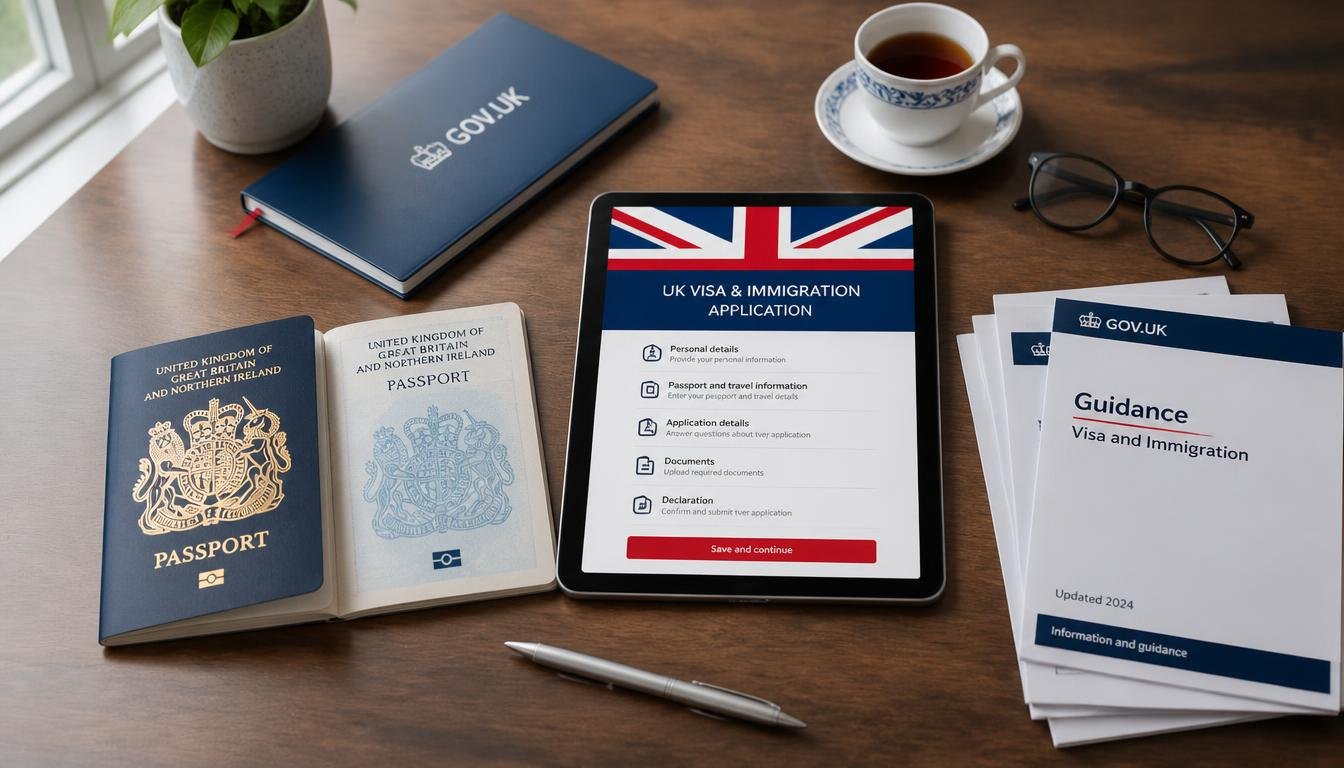
Introduction to Winter Fuel Payments
Winter Fuel Payments are a form of financial assistance provided by the government in England designed to help individuals cover the costs of heating during the colder months. Primarily aimed at older citizens, these payments are intended to alleviate financial pressure that arises from increased energy bills experienced during winter, ensuring that recipients can maintain a comfortable living environment.
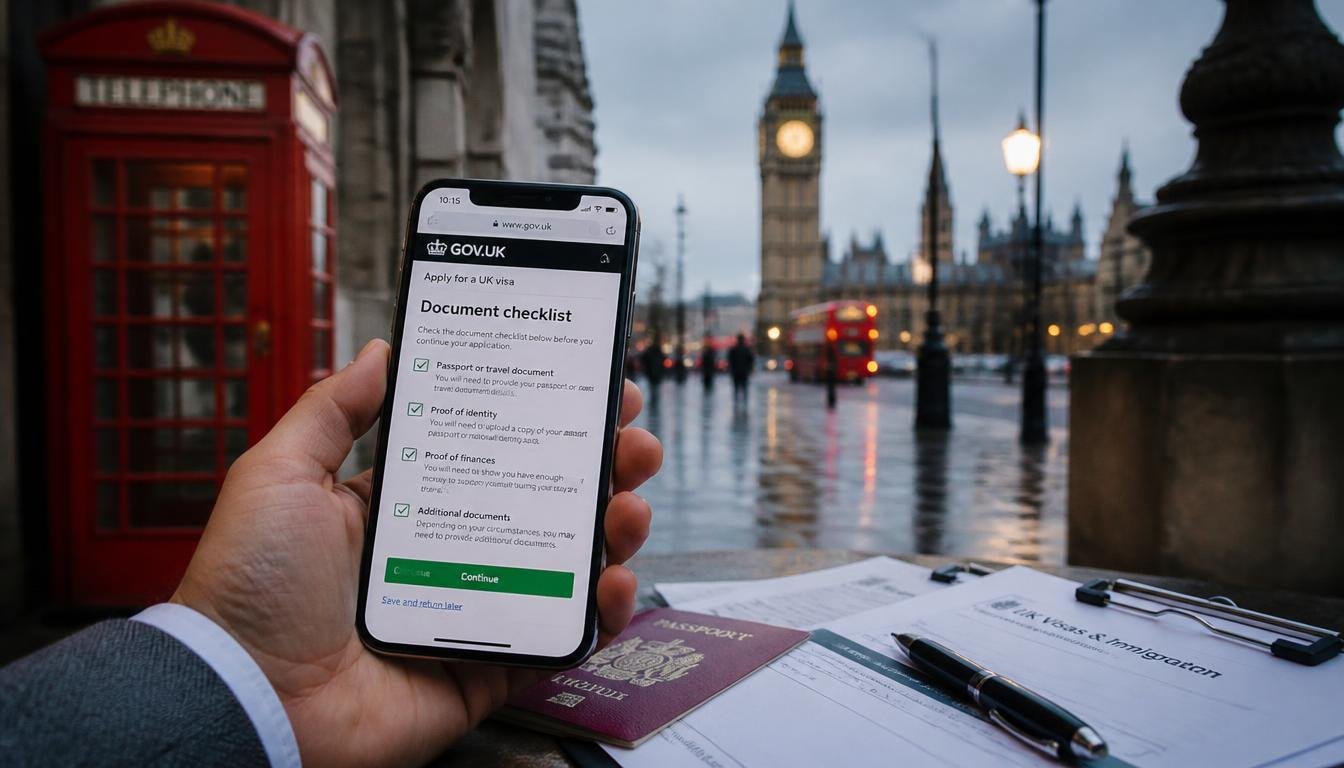
The primary beneficiaries of Winter Fuel Payments are typically those aged 66 and over. As the elderly often have less mobility and are more vulnerable to cold-related health issues, it is vital that they receive adequate support for their heating needs. The program reflects a commitment to safeguarding the well-being of older adults, ensuring they do not face a choice between heating their homes and managing other essential living expenses.
To qualify for Winter Fuel Payments, applicants must meet certain eligibility criteria. Generally, individuals must reside in the UK and reach the qualifying age during the applicable winter period. Additionally, they must not be living in a care home for the full duration of the qualifying week. Although these payments are primarily aimed at older age groups, there are exceptions for individuals with certain disabilities or health conditions that warrant additional support. Such eligibility criteria serve to outline the framework of the program while also emphasizing the significance of protecting vulnerable populations during harsh winter conditions.

In essence, understanding Winter Fuel Payments and their eligibility criteria is crucial for those who may benefit from this assistance. As financial pressures mount during the winter months, these payments play a significant role in fostering security and well-being for older individuals throughout England.
The Income Threshold Explained
In 2026, the income threshold for winter fuel payments in England is set at £35,000. This specific threshold plays a crucial role in determining eligibility for financial assistance aimed at supporting vulnerable individuals during the colder months. Understanding the mechanism behind this threshold is essential for applicants seeking to benefit from these payments, which are designed to alleviate the costs associated with heating during winter.

The determination of the £35,000 threshold involves several factors. Primarily, it is based on the broader financial landscape and the economic conditions influencing living costs. Authorities assess average income levels, inflation rates, and the general financial burden faced by households to establish a threshold that reflects current realities. This careful evaluation ensures that assistance is directed towards those who genuinely need it and that it remains relevant to the diverse financial situations of applicants.
For individuals or households whose income levels surpass the established threshold, the implications are significant. They will not qualify for winter fuel payments, meaning they will not receive direct financial support for heating costs. This might impact their financial planning, especially during periods of extreme cold, where heating costs may steeply rise. Moreover, applicants need to be aware of any changes in income thresholds from previous years. While £35,000 may seem similar to thresholds in past years, any adjustment reflects an effort to calibrate aid programs to real-world economic changes, reinforcing the need for potential applicants to stay informed about these adjustments.

Overall, comprehending income thresholds, such as the one set at £35,000 for winter fuel payments, is paramount for individuals looking to access financial support in England. Familiarity with these thresholds can significantly ease the challenges associated with managing heating expenses during the winter months.
Eligibility Criteria for Winter Fuel Payments
The Winter Fuel Payment is a vital support mechanism designed to alleviate heating costs during the winter months for eligible individuals in England. Beyond the income thresholds, which determine financial eligibility for this assistance, there are several other important criteria that individuals must meet to qualify for the payment.

Firstly, age limits play a significant role in eligibility. To receive the Winter Fuel Payment, applicants must be at least 66 years old during the qualifying week, which is specified each year. This age bracket is guided by the intention to support older individuals, who may be more vulnerable to the effects of cold weather on their health and wellbeing.
In addition to age requirements, residency is another critical criterion. Individuals must reside in England, Scotland, Wales, or Northern Ireland. Moreover, a qualifying residence must typically include living at the same address throughout the qualifying week. There are stipulations for those living abroad, but in general, those permanently residing outside of the United Kingdom are not eligible for the Winter Fuel Payment.
Additionally, recipients must also meet certain conditions relating to their National Insurance contributions. Those who receive certain benefits, such as Pension Credit or income-related Employment and Support Allowance, may automatically qualify, ensuring that the payment effectively reaches the intended demographic.
Finally, individuals who have been incarcerated or living in a care home may have restrictions on their eligibility, especially if they are not receiving the necessary care conditions. These criteria are in place to ensure that the Winter Fuel Payment aids those who are in genuine need, considering their unique circumstances.
Overall, understanding the comprehensive eligibility criteria, including age limits, residency requirements, and additional conditions, is crucial for those who may benefit from this essential financial support during the challenging winter months.
How Income Affects Your Payment Amount
The Winter Fuel Payment is a crucial financial aid provided by the UK government to support individuals, particularly older adults, during the colder months. Several factors determine the amount one receives, and income significantly influences this payment. Understanding how income levels impact Winter Fuel Payments is essential as it helps recipients anticipate the support they will receive.
Generally, the basic payment amount is set, but higher incomes might affect the total payment, especially when considering additional benefits or allowances. For individuals whose income is below a specified threshold, the payment may be maximized. Conversely, those with incomes above the threshold may find their payment reduced, thereby demonstrating a clear link between earnings and financial assistance.
For instance, if an individual has an annual income substantially exceeding the government’s stipulated threshold, which is subject to change, they may not qualify for the full amount. Alternatively, someone with limited income may not only receive the full Winter Fuel Payment but could also qualify for supplementary aid options. In some cases, individuals may wonder if their savings or investments affect their eligibility for the full payment. While the primary concern is earnings, substantial savings can also contribute to a reassessment of payment amounts.
To illustrate, consider a pensioner with an income of £10,000. They are likely to qualify for the maximum Winter Fuel Payment. In contrast, another individual earning £25,000 could see their payment significantly reduced. Therefore, it is critical to understand each component of income that may influence entitlement and assess how overall earnings can have far-reaching effects on the financial support provided during winter.
In conclusion, as income levels shift, so too does the potential for receiving financial assistance through Winter Fuel Payments. By being aware of how their income affects eligibility and payment amounts, individuals can make informed decisions regarding their finances during the winter months.
Application Process for Winter Fuel Payments
Applying for winter fuel payments in England involves a systematic approach that ensures applicants meet the necessary criteria and submit the correct documentation. The winter fuel payment is a crucial financial assistance scheme designed to help eligible individuals, particularly those of pensionable age, manage their heating costs during the colder months.
The first step in the application process is to determine eligibility. Generally, applicants must be aged 66 or over during the qualifying week, which typically falls in mid-September. It is equally important for applicants to reside in Great Britain and have a valid National Insurance number. It is advisable to gather any personal identification documents, such as a birth certificate or passport, which verify both identity and age.
Once eligibility has been confirmed, the next step is to collect the required information for the application. Applicants will need details such as their bank account information for payment processing, address history, and any relevant information regarding their living situation, such as whether they live alone or with others who may also be eligible for support.
Next, applicants can obtain the application form through several channels. The form can be requested via the official government website, where applicants can find comprehensive information regarding winter fuel payments. Additionally, potential applicants may reach out to the helpline to receive assistance with any inquiries they may have or to have the forms sent directly to them.
After completing the application form, applicants should ensure that all information is accurate and complete before submission. This step is vital in preventing delays in processing the application. Once submitted, applicants can expect to receive a confirmation from the relevant authorities regarding their application’s status. The processing time can vary, but typically, applicants should allow a few weeks for a response.
In summary, the application process for winter fuel payments in England is straightforward if the steps outlined above are followed diligently. Being well-prepared with documentation and understanding the eligibility criteria can significantly enhance the chances of a successful application.
Important Dates and Deadlines
The Winter Fuel Payment is an essential resource for eligible households in England, particularly during the colder months. Understanding key dates and deadlines associated with this payment is crucial for applicants to ensure they receive their benefits timely. In 2026, the application process will commence on the first of August, and it is vital for all potential claimants to keep this date in mind. Applications can be submitted online or via the post, providing a variety of options for accessibility.
Once the application window is open, individuals are encouraged to submit their applications promptly. Early submissions can help minimize any delays, especially since the volume of applications tends to increase as the winter season approaches. The deadline for applications is typically set for the end of March; therefore, it is critical not to overlook this date.
Winter Fuel Payments for those who qualify are generally issued in November and December. Benefits are paid directly to the bank accounts of successful applicants, making it essential to ensure that all personal and banking details are accurate and up to date when applying. In 2026, it is advisable for applicants to check for any updates or potential changes to payment methods or schedules due to evolving governmental processes.
Furthermore, for those who have previously received the benefit and meet the eligibility criteria, payments will usually be processed automatically. However, if there are changes in circumstances, applicants should inform the relevant authorities as soon as possible. Understanding these timelines will aid in better financial planning during the winter months, reinforcing the importance of staying informed about winter fuel payment deadlines.
Appeals and Complaints Process
When faced with a denial of the Winter Fuel Payment or encountering problems during the application process, it is important for applicants to understand the available recourse. The initial step in addressing a denied application is to review the decision. Applicants should ensure that all submitted information was accurate and complete, as errors can sometimes lead to rejection.
If, after reviewing the application, the applicant still believes that the denial was unfounded, they can initiate the appeals process. This typically involves contacting the relevant department that handled the original application. It is advisable to do this promptly, as there are time limits on when an appeal can be made. Most organizations allow for an appeal to be filed within a certain number of days from the date the decision was communicated. The appeal should detail the reasons the applicant believes the decision should be overturned and include any supporting documentation.
In the case where an applicant is not satisfied with the outcome of their appeal, or if they experience delays or poor customer service during the application process, they can file a complaint. The complaints procedure usually begins by contacting the customer service department of the relevant authority. Applicants may need to provide details of their initial application and previous correspondence regarding their case. In some situations, complaints can also be escalated to an ombudsman or a designated independent body that oversees the fairness and effectiveness of the system.
It is imperative for applicants to keep detailed records of all interactions regarding their Winter Fuel Payment application, including dates, times, and the names of representatives spoken to. This information can be invaluable during both the appeals and complaints processes, ensuring that applicants have a clear account of their efforts to resolve any issues.
Frequently Asked Questions
Winter fuel payments are essential for many residents in England, especially during the colder months, to help cover heating costs. However, there are numerous questions surrounding the payment process, income thresholds, and overall eligibility. Below are some of the most frequently asked questions (FAQs) regarding winter fuel payments, aiming to clarify typical concerns and misconceptions.
What is the income threshold for winter fuel payments in 2026?
Typically, there is no explicit income threshold for receiving winter fuel payments; instead, eligibility is often based on age and residence status. Generally, individuals aged 66 or over who reside in England, Scotland, Wales, or Northern Ireland may qualify. However, if a person has significant income or savings, it’s advisable to check how this may affect their overall entitlement.
How do I apply for winter fuel payment?
Eligible citizens may receive winter fuel payments automatically if they are receiving specific social security benefits. However, if you have not received a payment and believe you qualify, you would need to complete a claim form available through the official government website. The completion process is straightforward, requiring basic personal information and details regarding your heating situation.
What should I do if my circumstances change?
If there are changes in your living situation, such as moving to a new residence, losing or gaining eligibility for certain benefits, or changes in your legal status, it is imperative to notify the relevant authority. Such changes can affect your entitlement to winter fuel payments, even if you have previously qualified based on income or age.
Are winter fuel payments taxable?
It is crucial to note that winter fuel payments are not considered taxable income. Therefore, they do not influence your tax liability. This aspect ensures that recipients can utilize these payments solely for their intended purpose of supporting heating expenses without the worry of taxation.
By addressing these common questions, we hope to provide greater clarity regarding winter fuel payments and alleviate concerns about eligibility and associated processes.
Conclusion and Final Thoughts
In conclusion, understanding the winter fuel payment income thresholds in England is essential for many individuals and families who may need support during the colder months. The winter fuel payment system is designed to assist those who are most vulnerable, ensuring that they have adequate resources to keep warm in winter. As we have discussed, there are specific income thresholds that determine eligibility, which can vary from year to year. It is important for individuals to stay informed about any changes or updates to these thresholds, as they can significantly impact one’s ability to receive financial support.
Moreover, navigating the winter fuel payment process can be complex, and staying informed through official channels, such as the government’s website or local authority offices, can provide the necessary guidance and clarity. Readers are encouraged to check their eligibility and understand how rising energy costs can influence their financial situation. By being proactive, individuals can take advantage of the support available to them during the winter months.
Additionally, it is worth noting that the winter fuel payment is just one aspect of a broader support network available for those in need. Understanding the various forms of assistance and making use of them can provide significant relief during challenging times. In the face of fluctuating energy prices and economic uncertainty, being well-informed and prepared can make a substantial difference in ensuring comfort and security throughout the winter season.