
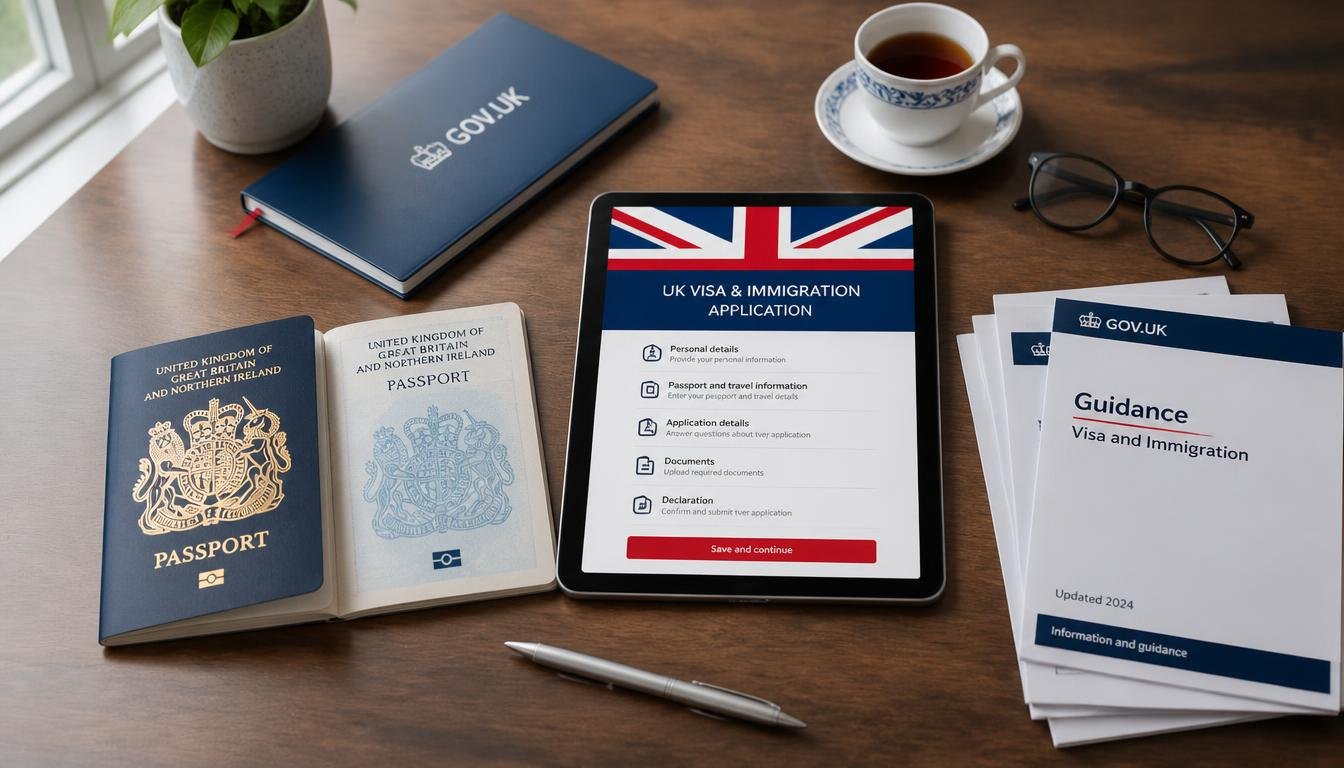
Understanding Council Tax Reduction
Council Tax Reduction (CTR) is a financial support scheme designed to assist low-income households in managing their council tax bills. It provides a means-tested reduction, whereby eligible residents can significantly lower their council tax payments. The parameters of this scheme may vary depending on the local authority, with each council administering its own set of criteria and guidelines. Therefore, understanding your local council’s policy is vital for identifying eligibility and ensuring access to the required support.
Eligibility for council tax reduction generally extends to those on low incomes, including individuals on benefits such as Universal Credit, Jobseeker’s Allowance, or Employment and Support Allowance. Additionally, certain categories of individuals, such as pensioners, individuals with disabilities, and some carers, may also qualify for enhanced reductions. It is crucial for low-income households to explore their eligibility thoroughly, as the criteria can differ significantly from one local authority to another.
The financial benefits of council tax reduction can be substantial, leading to considerable savings for eligible households. By decreasing the overall tax burden, families can redirect saved funds towards other critical expenses. This financial relief can enhance overall well-being and stability, especially for those facing economic hardships. Furthermore, being well-informed about one’s rights concerning council tax reduction is essential. Many individuals are not aware of the support available, leading to unclaimed financial advantages.

In addition to the direct savings provided by council tax reduction, understanding this support can empower low-income households to navigate their finances more effectively. By recognizing the potential reduction in their liabilities, residents can make more informed decisions regarding their budget and financial planning. As such, Council Tax Reduction is not merely a financial assistance program; it is a key aspect of financial literacy and empowerment for low-income households striving for greater economic stability.
Eligibility Criteria for Council Tax Reduction
The eligibility criteria for council tax reduction can vary significantly across different regions and local authorities, but there are common factors that are generally considered. Understanding these criteria is essential for low-income households seeking financial support in 2026.

One of the primary determinants of eligibility is income. Local councils typically establish specific income thresholds that applicants must not exceed in order to qualify for a reduction. This threshold may consider the total income of all household members. Those receiving certain welfare benefits, such as Universal Credit or Jobseeker’s Allowance, may be presumed to meet the required financial criteria, thus simplifying the application process.
Additionally, the type of benefits a household receives can play a crucial role in eligibility assessments for council tax reduction. For instance, households in receipt of income-based benefits are often prioritized, as these indicate a greater financial need. It is vital for applicants to have a comprehensive understanding of how their benefits might influence their eligibility.

Living arrangements also significantly impact the assessment. For example, singles, students, and seniors may benefit from reductions in their council tax based on their specific situations. Local authorities often provide adjustments or exemptions for individuals living alone or for those in care facilities. Furthermore, there might be additional rules applicable to those living with disabilities or those who have non-dependents residing in their home.
Other factors that councils consider may include the number of adults living in the household and their financial responsibilities. Generally, each council has its set of guidelines outlining the criteria, which may also be updated periodically. Therefore, it is advisable for applicants to check with their respective local council for the most accurate information and assistance in navigating the application process for council tax reduction.
Documents Required for Your Application

Applying for council tax reduction involves submitting various documents to substantiate your claim. The required documentation may vary slightly depending on your local authority, but there are several key items that are commonly requested.
Firstly, proof of income is crucial. This can include payslips from your employer for the most recent months, bank statements showing regular income deposits, tax returns if you are self-employed, or any other form of income evidence such as pension statements or social security documentation. It is essential to provide comprehensive details of your financial situation to support your application for council tax reduction.
Additionally, identification is a necessary component of your application. This usually entails providing at least one form of photo identification, such as a passport or driver’s license, alongside proof of address, which could be a recent utility bill or rental agreement that displays your name and current living address. Ensuring that your identification matches the name on your application will facilitate prompt processing.
Moreover, you may need to supply supporting evidence to strengthen your case. This could encompass documents related to any disabilities, childcare costs, or other expenditures that significantly impact your financial stability. Any relevant correspondence or paperwork that clearly outlines your circumstances can further validate your claim for a council tax reduction.
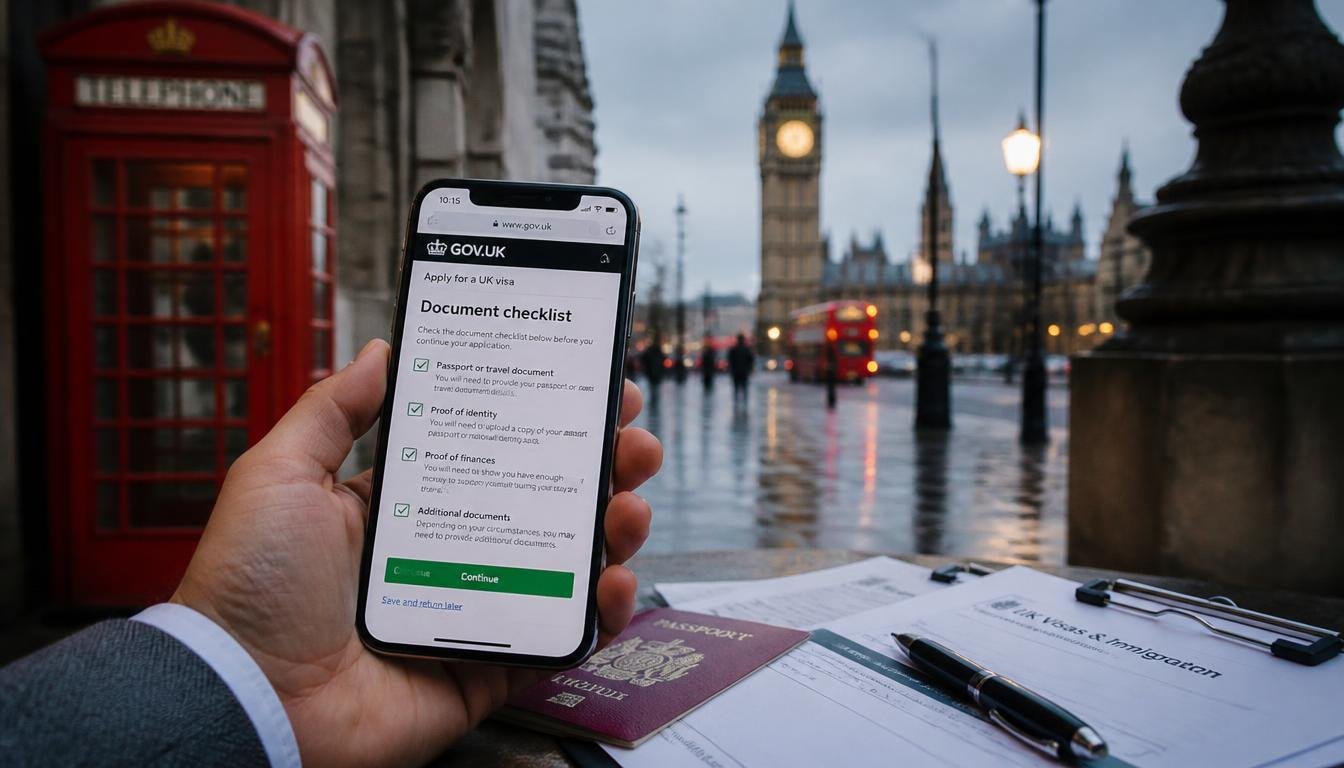
In compiling your documents, it is advisable to create a checklist to ensure that nothing is overlooked. Each document should be legible, and it may be beneficial to provide copies instead of originals, as this allows for easier handling and reduces the risk of loss. By gathering all necessary documentation ahead of time, you can streamline the application process and enhance the chances of a successful claim.
How to Complete the Application Form
Filling out the council tax reduction application form can seem daunting, but with a clear understanding of its structure and requirements, the process can be streamlined. This section provides a step-by-step guide aimed at ensuring that all necessary information is correctly submitted to facilitate a smooth application experience.
Begin by gathering essential documents that will support your application. This includes proof of income, bank statements, and identification. Having this information on hand will help fill out your application accurately. The form generally requires personal details such as your name, address, and the names of any residents living with you.
Next, you will encounter sections that require you to declare your income and expenses. Be meticulous in recording your earnings from employment, benefits, and other sources. It’s important to provide your total monthly income and any deductions that may apply. Remember to check the guidelines on what constitutes allowable expenses, as this can significantly impact your council tax reduction eligibility.
Additionally, the application form may ask about your savings and capital. Note that different thresholds may apply, often dependent on your household composition. For example, capital over a certain limit can affect the amount of reduction you qualify for, so be sure to report these figures accurately.
One common pitfall applicants face is omitting necessary information. Review each section before submission and ensure completeness. If you encounter any unclear sections, don’t hesitate to reach out to the relevant local authority for clarification.
After filling in all required information, review your completed application form for errors or omissions. Submitting a well-prepared application can reduce processing times and help avoid unnecessary delays. Once satisfied that everything is correct, you can submit your form through your local council’s designated channel, whether it’s online or via postal mail.
In conclusion, understanding how to effectively complete the council tax reduction application form can significantly ease the process for low-income households. Ensuring all sections are filled out accurately and thoroughly can lead to a successful application and ultimately a reduction in financial burden.
Submitting Your Council Tax Reduction Application
Applying for Council Tax Reduction (CTR) is a process that can be managed with relative ease if you are aware of the available methods. There are several ways in which you can submit your application, depending on your preference and circumstance.
One of the most efficient ways to apply for Council Tax Reduction is through the online portal provided by your local council. Most councils have streamlined their services digitally, allowing applications to be filled out and submitted online. This method is not only convenient but also provides instant confirmation of your submission, which can be particularly reassuring for applicants.
If you prefer a more traditional approach, you can submit your application via post. To do this, ensure that you have printed the application form accurately and that all required documentation is included. It is advisable to send your application using a tracked postal service to confirm that it has been received by the council. This method, however, may take several days for processing, so applicants should consider their urgency in submitting applications.
For those who wish to receive personal assistance, submitting your application in person at your local council office is another option. This allows you to speak directly with a representative, who can clarify any questions you may have regarding your application. It is recommended to check the opening hours of your local office, as these can vary.
When submitting your application, it is important to pay attention to deadlines. Missing a deadline can result in delayed processing, which could affect your eligibility for assistance. Generally, it is best to apply as soon as you believe you meet the criteria for council tax reduction.
If you encounter any issues during the application process, such as technical difficulties with the online system or uncertainty about the documentation required, do not hesitate to reach out for assistance. Contacting your local council’s support service can provide you with the necessary guidance to ensure your application is completed correctly and submitted on time.
What to Expect After Applying
When you submit an application for Council Tax Reduction, it is important to understand the typical timeline for processing your application. Local councils generally aim to process new applications promptly, but the actual time frame can vary depending on the council’s workload and the complexity of your application.
Most councils strive to complete the processing of standard applications within four to six weeks. However, cases that require additional verification or documentation might take longer. It is advisable to check your local council’s website or contact them directly for specific processing times relevant to your area. During this period, the council will review your financial situation and any supporting documents you have provided to assess your eligibility for reduction.
Once your application has been processed, your local council will communicate the outcome to you in writing. This notification will typically include details about whether your application has been approved or denied, the amount of reduction you are entitled to, and the duration for which the reduction will be applicable. In some cases, councils might request further information or clarification before making a decision.
If you do not receive any communication within the expected timeframe, it is advisable to follow up on your application. Councils typically provide a contact number or email address specifically for inquiries related to Council Tax. When reaching out, be sure to have your application reference number handy for reference, as this will help expedite the process.
In situations where your application is denied, the notification will also explain the reason for denial and the appeals process, should you decide to contest the decision. Always remember, maintaining open communication with your local council can facilitate a smoother resolution process for Council Tax Reduction applications.
Challenging Decisions and Appeals
If your application for council tax reduction has been denied, it is important to understand that you have the right to challenge this decision. The first step in the appeal process is to carefully review the reasons provided by the council for the rejection. This information is vital as it helps you to identify the specific grounds on which your application was denied and to determine the best course of action.
Once you have reviewed the decision, you can initiate an appeal by contacting your local council. Most councils have a specific procedure for addressing disputes over council tax reduction applications. You will typically need to submit a formal appeal letter, wherein you should outline your reasons for disputing the decision. It is advisable to provide any supporting documents or evidence that may strengthen your case. Make sure to include your full name, address, and any reference numbers relevant to your original application to ensure that your appeal is processed efficiently.
After submitting your appeal, the council is required to review your case and make a decision. Typically, this process can take several weeks. The council may either uphold the original decision or overturn it in your favor. If the latter occurs, you may receive a revised council tax bill reflecting the adjustment. Alternatively, if the council maintains its initial decision, you can escalate your appeal to the Valuation Tribunal. This independent body reviews challenges against council decisions and can provide a further avenue for redress. When pursuing this route, it is crucial to adhere to the specific timelines and procedures outlined by the tribunal for submissions.
It is essential to keep a record of all communications with the council and relevant documents during this process. Seeking assistance from local advice agencies or legal professionals may also provide additional support in navigating the appeals process effectively.
Important Resources and Contacts
For households seeking council tax reduction, it’s essential to have access to reliable information and support services. Numerous resources are available that provide guidance, tools, and points of contact for further assistance concerning council tax issues.
The first step in seeking assistance is to visit your local council’s official website. Most councils maintain a dedicated section related to council tax, where residents can find information on reduction schemes, eligibility criteria, and application procedures. This resource is critical, as each local authority may have different policies and thresholds for qualifying for a reduction.
In addition to your local council, the government website gov.uk offers comprehensive information about council tax reduction schemes available nationwide. This includes details about how the reduction is calculated and the types of reductions that might be applicable based on varying personal circumstances and specific local rules. Utilizing this national resource can provide a broader context and additional insights into potential benefits.
Furthermore, organizations like the Citizens Advice Bureau can offer crucial support. They provide free, impartial advice to individuals regarding council tax and potential reductions. Their services can help guide residents through the application process, allowing them to understand their rights and the services available to them. More information can be accessed through their website or by visiting a local branch.
Lastly, consider reaching out to local advice organizations and charities that specialize in financial assistance or welfare rights. These organizations can offer tailored support and may even have programs specifically designed to assist with council tax issues. Keep a list of these contacts handy, as they may be a vital resource when navigating the complexities of council tax reduction.
Tips for Managing Your Budget Post-Application
Receiving a council tax reduction can significantly ease the financial burden on low-income households, but it is essential to manage your budget effectively to maximize the benefits. Here are several practical tips to consider after your application has been approved.
First and foremost, take stock of your expenses. Create a detailed list of all your monthly obligations, including essential costs such as rent, utilities, food, and transportation. This will help you visualize where your money is going and where you can make adjustments. Once you have an accurate picture of your expenses, categorize them into essential and non-essential items. This prioritization is vital, as it allows you to allocate your resources more effectively.
Next, set a budget based on your revised income and expenses. A budget provides a framework for your spending and helps you track your financial health. Utilize budgeting tools or apps available online to facilitate this process. These tools often include features for monitoring your spending patterns and receiving alerts when you exceed your budget in specific categories.
Another important aspect is to build an emergency fund. Even with a council tax reduction, unforeseen expenses may arise, such as medical bills or urgent home repairs. By saving a small amount each month, you can create a buffer that provides financial security during unexpected situations.
Consider reaching out to local community resources for additional support. Various charitable organizations and local councils offer financial advice, food banks, or emergency funds, which can provide further assistance. Additionally, keep an eye on governmental programs that offer benefits or subsidies that can further enhance your financial situation.
In conclusion, effectively managing your budget after receiving a council tax reduction involves careful planning, prioritization of expenses, utilizing available resources, and setting aside funds for emergencies. By implementing these strategies, you can achieve a more stable financial future while navigating the challenges associated with low income.