

Understanding PIP Assessments
Personal Independence Payment (PIP) assessments are a key component in determining the eligibility for financial support for individuals who have disabilities or long-term health conditions. PIP is designed to assist those who require additional support due to challenges they face in daily living or mobility. The assessments play a crucial role in evaluating these individuals’ needs and determining the level of financial assistance they qualify for.
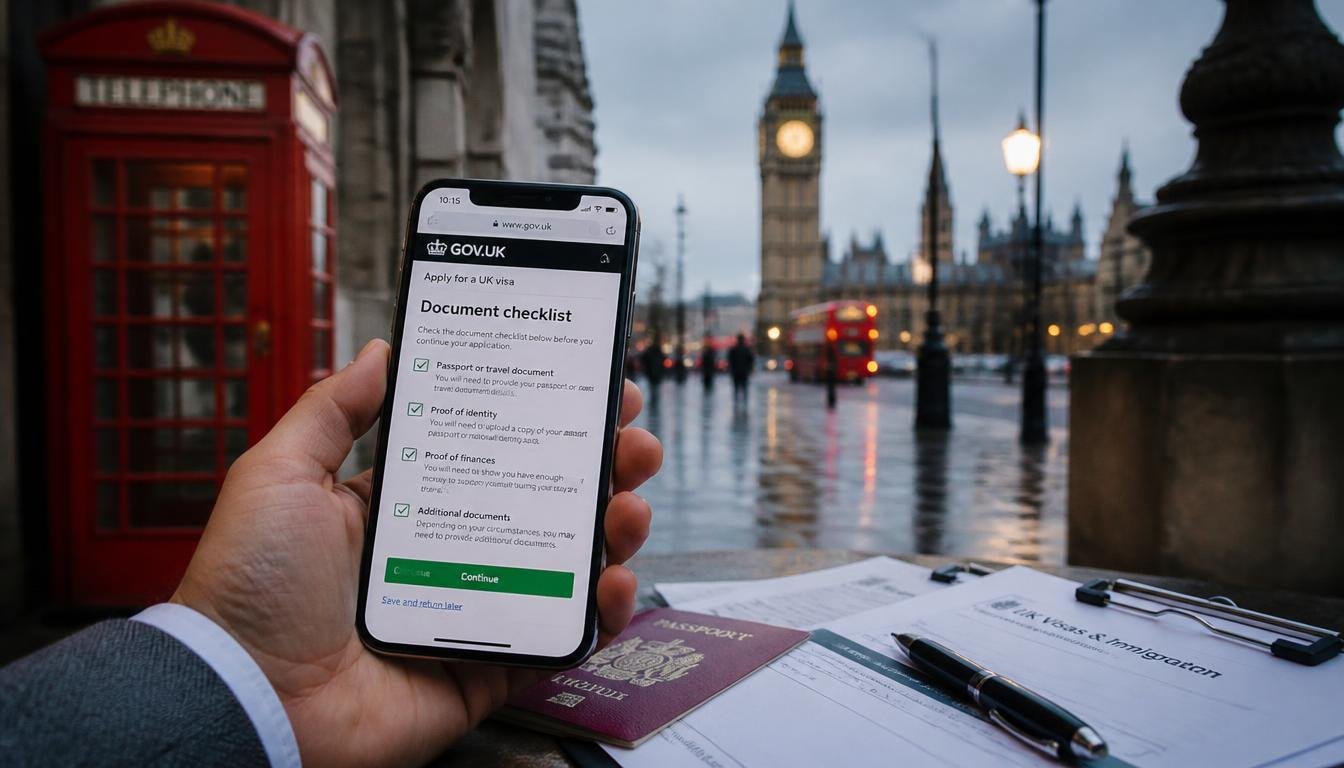
The assessment process typically involves a comprehensive evaluation, which includes a form that the individual must complete, detailing their condition and how it affects their daily life. Following this, a face-to-face consultation may be required, where an assessor will ask a series of questions to gauge the individual’s capabilities in various areas, such as personal care, communication, and mobility. This direct interaction aims to build a clearer understanding of the person’s needs and challenges.
During the assessment, it is critical for individuals to provide detailed and honest responses, as this information significantly impacts the outcome of their claims. Assessors are trained to consider the specific circumstances and difficulties faced by individuals with disabilities, ensuring that the evaluation is thorough and fair. Additionally, the importance of medical evidence is underscored, as it can substantiate the claims made during the assessment process.

The significance of PIP assessments extends beyond mere eligibility for funding; they serve as a mechanism to ensure that individuals receive appropriate support, fostering independence and enhancing quality of life. Understanding the nuances of these assessments can empower individuals to better prepare, thus enabling them to present their situations more effectively and increasing their chances of receiving the necessary assistance.
Key Questions You May Encounter During PIP Assessments
PIP assessments, or Personal Independence Payment assessments, are designed to evaluate how a person’s disability or health condition affects their day-to-day life. During these assessments, applicants may face a variety of questions that can be broadly categorized into three areas: physical functions, mental functions, and social functions.

1. Physical Function Questions
Questions that relate to physical functions focus on mobility, daily tasks, and physical capabilities. For instance, applicants might be asked about their ability to walk, lift objects, or perform basic personal care tasks such as washing and dressing. An example question could be: “How far can you walk without experiencing severe discomfort?” This question assesses the person’s mobility and endurance.

2. Mental Function Questions
Assessments of mental function will typically explore cognitive abilities and emotional stability. Applicants may be questioned on how their condition impacts memory, attention, and engagement in cognitive tasks. A common question might be: “Do you find it challenging to concentrate on tasks, and if so, how does this affect your daily life?” Such questions aim to evaluate the extent to which mental health affects daily activities.

3. Social Function Questions
Finally, social function questions aim to understand an individual’s ability to interact with others and engage in social situations. Examples include inquiries about one’s comfort in social settings or participation in community activities. A typical question could be: “How do you manage social interactions, and do you avoid them due to your condition?” This probes the effects of health on social engagement.
Understanding these categories and types of questions is essential for applicants preparing for their PIP assessments, as it helps frame responses that accurately reflect their capabilities and challenges.
How to Gather Necessary Documentation
When preparing for Personal Independence Payment (PIP) assessments, gathering the necessary documentation is a crucial step. This process involves compiling a variety of documents that can substantiate claims regarding your health condition and daily living activities. Effective preparation can significantly enhance the credibility of your assessment.
Start by collecting medical evidence from healthcare professionals who are familiar with your condition. This includes letters or reports from your doctor, specialist, or any other medical professional who has treated you or provided a diagnosis. Such documentation should ideally detail your medical history, treatment plan, and how your condition affects your daily life. It is important to ensure that these documents are recent so that they accurately reflect your current situation.
Additionally, consider gathering evidence from other sources, such as therapists, physiotherapists, or social workers involved in your care. Their insights and assessments can provide a broader perspective on how your condition impacts your ability to carry out daily activities.
Alongside medical documentation, personal statements describing your experiences and difficulties can also bolster your application. These statements should clarify how your health condition affects your day-to-day living, including tasks like eating, dressing, and mobility. Be as specific as possible, providing examples of challenges faced in various situations.
Remember to organize these documents clearly and ensure that all submitted evidence directly relates to the claims made in your application. This might involve summarizing key points from longer documents or highlighting critical sections of reports for ease of review. Having a well-organized portfolio of evidence can clearly demonstrate the impact of your condition, making it easier for assessors to understand your circumstances.
In conclusion, the aim is to provide comprehensive documentation that accurately reflects your health condition and its effects on your daily life, helping to ensure your PIP assessment accurately considers all relevant factors.
Preparing for Your Assessment Appointment
Preparing for your PIP assessment appointment requires careful planning and consideration to ensure that you present yourself accurately and honestly. One of the first steps is to familiarize yourself with the assessment process. Understand that this appointment is designed to evaluate your needs and capabilities, so it is essential to be as transparent as possible about your condition.
Mentally, approach the assessment with a positive mindset. This means recognizing that the assessors are there to understand your circumstances and that providing them with clear and concise information is critical. Before the appointment, consider practicing answers to potential questions about your daily living activities and mobility. It may be helpful to write down specific examples of how your health condition affects your life. This preparation can help you feel more confident and articulate during the assessment.
Physically, ensure that you are in a good state for the appointment. If possible, arrange for a comfortable means of travel to the location of your assessment. On the day itself, dress in a way that makes you feel relaxed while still looking presentable. Adequate nourishment is essential, so eat a balanced meal before heading out, which can help to reduce anxiety levels and maintain focus.
During the assessment, be clear in your responses. Use specific terminology to describe your limitations and needs but avoid going off on tangents. The assessors will need to gather specific information to make their evaluation; being concise can assist in this process. If you do not understand a question, do not hesitate to ask for clarification. This shows that you are engaged and want to provide accurate answers.
Lastly, remember to take your time when answering questions. It is absolutely fine to pause and gather your thoughts before responding. Overall, by being prepared both mentally and physically, you enhance your ability to convey your situation effectively, which is crucial for a successful assessment.
What to Expect During the Assessment
When preparing for your Personal Independence Payment (PIP) assessment, it is essential to understand the processes involved and the environment in which the assessment will take place. This understanding can significantly reduce uncertainty and anxiety, allowing the individual to approach the assessment with more confidence.
The assessment typically occurs in a neutral setting, which is designed to be comfortable and not intimidating. Many assessments take place in local assessment centres, where the atmosphere is often calm and professional. Upon arrival, you will be greeted by the staff and asked to wait in a designated area until your name is called. This is an opportunity for you to take a moment to gather your thoughts before the evaluation begins.
Your assessment will be conducted by a healthcare professional, generally either a nurse, occupational therapist, or a medical doctor. The role of the assessor is to collect information about your daily living and mobility needs. They will not make decisions on your benefits, but provide detailed reports to the Department for Work and Pensions (DWP). Expect the assessor to ask a variety of questions designed to understand your health conditions and how they impact your daily activities. Be honest and provide as much detail as possible to ensure an accurate picture is conveyed.
The appointment may last up to 90 minutes, and during this time, the assessor might ask you to demonstrate specific movements or tasks. Be prepared for these type of inquiries, as they are vital for assessing your capabilities accurately. Remember, the assessment is tailored to your individual circumstances; thus, there is no standard script that every assessment follows.
In summary, knowing what to expect during the PIP assessment can help you feel more relaxed. By familiarizing yourself with the setting, the role of the assessor, and the types of questions you might encounter, you can navigate the experience more effectively and with confidence.
Common Misconceptions about PIP Assessments
Personal Independence Payment (PIP) assessments often come with a range of misconceptions that can lead to confusion and anxiety among applicants. It is crucial to address these myths to provide clearer insights into the process and criteria involved.
One prevalent myth is that only individuals with visible physical disabilities qualify for PIP. In reality, the PIP assessment framework is designed to consider a broad spectrum of health conditions, including both physical and mental disabilities. This means that individuals suffering from mental health conditions such as depression or anxiety can also be eligible for support. Assessors are trained to interpret various conditions, ensuring that the impact of hidden disabilities is adequately recognized.
Another common misunderstanding is the belief that applicants must provide extensive documentation or evidence during the assessment. While evidence can significantly bolster a claim, the assessment itself focuses on the individual’s daily challenges and how their disability affects their routine. Attending the assessment prepared to describe personal experiences can often be more impactful than submitting a large volume of paperwork.
Another myth concerns the role of the healthcare professionals who conduct PIP assessments. Some believe that these assessors are merely gatekeepers intent on rejecting claims. However, assessors are meant to adopt an impartial stance, aiming to gather relevant information to make informed decisions about the individual’s eligibility for support.
Additionally, there is a misconception regarding the impact of having a history of prior benefits or a disability diagnosis on current assessments. It is a misbelief that having received certain benefits in the past guarantees future entitlements. Each assessment is distinct and considers current needs rather than past circumstances.
In conclusion, debunking these myths surrounding PIP assessments can empower individuals to navigate the process with greater confidence, allowing for a clearer understanding of their rights and available support options. Engaging with accurate information reduces anxiety and encourages a more informed approach to the assessment process.
Tips for Answering Questions Effectively
Effectively articulating responses during PIP assessments is crucial for ensuring that your needs and circumstances are accurately represented. One of the fundamental strategies is to be honest when discussing your condition. It is essential to provide a truthful account of how your disabilities impact your daily life. Honesty allows the assessor to have a more comprehensive understanding of your situation, which is necessary for a fair evaluation.
Furthermore, utilizing specific examples can greatly enhance your responses. When prompted with questions, consider recalling particular incidents that demonstrate the challenges posed by your disabilities. For example, if discussing mobility issues, you might explain a specific situation where you faced difficulty in navigating stairs or walking a certain distance. This not only makes your response more relatable but also paints a clearer picture of how your disabilities impede your activities.
Communicating the impact of your disabilities on daily life is vital. It is important to articulate how your condition affects various aspects of life, including work, leisure activities, and social interactions. When providing examples, emphasize the limitations and difficulties you experience. Describe not only the actions that are challenging but also the emotional and psychological effects these challenges impose.
Moreover, practice is key to feeling prepared for the assessment. Consider rehearsing your responses to common questions with a friend or family member. This practice can help you become more comfortable discussing your situation, ensuring that you convey your experiences clearly and confidently.
Engaging with support groups or seeking advice from professionals who are familiar with PIP assessments can offer insights that enhance your understanding and approach. By incorporating these tips—honesty, specific examples, and a clear communication of impact—you can significantly improve your ability to answer questions effectively during your assessment.
Post-Assessment: What Happens Next?
Following a PIP (Personal Independence Payment) assessment, applicants often find themselves wondering about the next steps in the process. Understanding the post-assessment protocol is essential for navigating the outcomes and planning appropriate actions effectively.
Once the assessment has been conducted, the relevant authority reviews the information gathered during the evaluation. This typically includes the assessor’s report along with any additional evidence submitted by the applicant. The decision-making process can take some time, and applicants can generally expect to receive their results within a few weeks. It is important to remain patient during this period, as some cases may require further scrutiny or clarification.
Upon receiving the decision, applicants will be informed whether they have been awarded PIP and, if so, at what rate. It is crucial to carefully examine the decision letter, which will outline the reasons for the outcome, specifically detailing how the decision was reached based on the assessment criteria. This transparency can help provide clarity on the factors that influenced the result.
In the event that the decision is unfavorable, applicants have the right to challenge it. There are established procedures for appealing decisions, which include requesting a mandatory reconsideration. This process allows individuals to present additional evidence or clarify any misunderstandings that may have arisen during the assessment. If the reconsideration does not yield a satisfactory outcome, applicants can then appeal to an independent tribunal, further enabling them to seek a fair review.
Overall, being well-informed about the implications of the assessment results and the subsequent steps available emphasizes the importance of preparation and understanding throughout the PIP evaluation journey.
Resources and Support for PIP Assessment Preparation
Preparing for a Personal Independence Payment (PIP) assessment can be daunting, but numerous resources and support systems are designed to assist individuals through the process. One of the primary sources of information is the official government website, which outlines eligibility criteria, application procedures, and even guidance on how to prepare for the assessment itself. This website serves as a foundational tool for individuals seeking to understand their rights and the assessment process.
In addition to official resources, local organizations play a crucial role in providing tailored support. Many charities and non-profit organizations focus on disability rights and welfare support; they offer free advice and assistance with PIP applications. Examples include Citizens Advice, which provides guidance on a range of benefits, including PIP, and the Disability Rights UK organization, known for its detailed resources and support for disabled individuals and their families.
Support groups, often led by individuals who have navigated the PIP assessment process themselves, can provide invaluable insights and shared experiences. These groups may be found on social media platforms or through local community centers. Engaging with such groups not only helps in gaining practical tips but also fosters a sense of community, reducing feelings of isolation that often accompany disability.
Furthermore, numerous online forums and discussion groups dedicated to disability benefits can be excellent places to gather advice. Websites such as The Benefits and Work Forum or Money Saving Expert’s forum allow individuals to ask questions and share their experiences with others who are also preparing for their PIP assessments. These platforms can also include checklists and templates that may simplify the gathering of evidence and personal statements required by the assessment process.
Overall, leveraging these resources—from official websites to community support groups—can significantly enhance one’s preparation strategy, ultimately leading to a more confident and informed approach to the PIP assessment.