
Understanding the Council Tax Single Person Discount
The Council Tax Single Person Discount is a financial relief offered to individuals who are the sole adult residents of a property in the United Kingdom. It provides a 25% discount on the standard Council Tax bill, thereby easing the financial burden on those who live alone. This discount is crucial for many individuals, particularly those on low incomes or experiencing financial hardship.
To qualify for the Council Tax Single Person Discount, applicants must meet certain eligibility criteria. The primary condition is that the applicant must be the only adult living in the property. However, specific circumstances can affect this qualification. For instance, if other adults reside in the home but fall into particular categories—such as full-time students, people with disabilities, or those who are severely mentally impaired—they may not count towards the tally of adult residents. This means that their presence does not disqualify a person from receiving the discount.
Moreover, individuals who are aged 18 or under are also excluded when counting the number of adults in a household. Therefore, those who live with a teenager may still be eligible for the discount. It is important to note that each local council in the UK may have variations in the rules or additional discounts applicable in certain cases, so it is advisable to check the specific regulations in your area.

In summation, the Council Tax Single Person Discount serves as an essential means of support for those who live alone or find themselves as the sole responsible adult in a household. Understanding the eligibility requirements and how your circumstances might influence your application is key to accessing this valuable rebate on your Council Tax bill.
How to Prepare for the Application Process
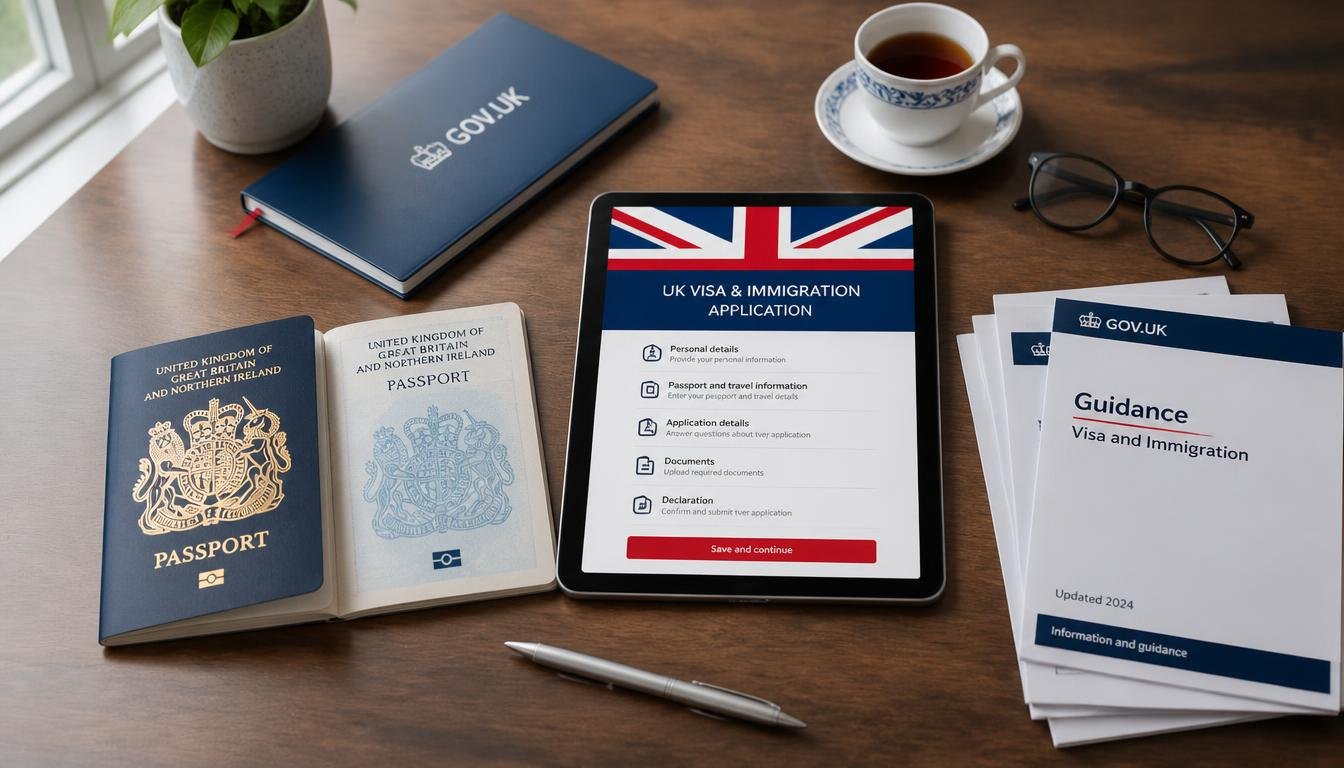
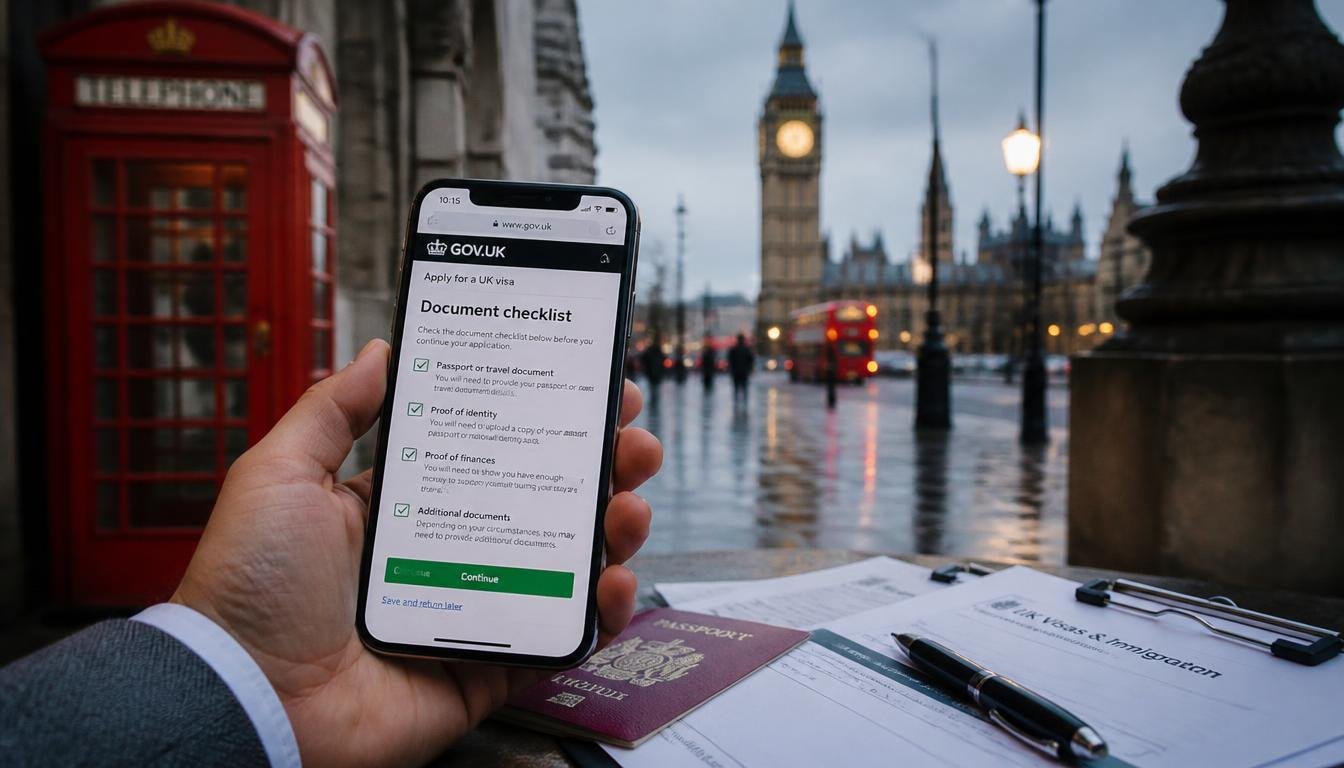
Applying for the Council Tax Single Person Discount can be a straightforward process, provided you are adequately prepared. Before starting your application, it is essential to gather all necessary documentation and information that could facilitate a smoother experience. The first step is to ensure that you have proof of identification. This includes items such as a passport or a driving license, which verifies your identity and residency status.

Additionally, you will need details about your council tax account. This information is typically found on your council tax bill and will include your account number, the property address, and the name of the Council you pay. Having this information readily available will allow you to fill out your application accurately without unnecessary delays.
Another important aspect to consider is your living situation. When applying for a Single Person Discount, it is crucial to confirm that you are the only adult residing in the property. If there are other adults, even if they are not paying council tax, this will impact your eligibility. In this regard, gathering any relevant information about your household composition will be beneficial.
You may also want to collect other supporting documentation, such as proof of your financial circumstances, if requested. This can include payslips, bank statements, or other financial documents that reflect your current situation. Although not always mandatory for every application, having these documents handy will help address any queries that may arise during the process.
In conclusion, being well-prepared is vital when applying for the Council Tax Single Person Discount. By collecting your identification proof, council tax details, and any additional relevant information, you can significantly streamline your application process. This proactive approach not only saves time but also enhances the likelihood of successfully receiving your 25% rebate.
Steps to Apply for the 25% Discount

Applying for the Council Tax Single Person Discount, which offers a 25% reduction on your council tax bill, involves a straightforward process. To begin, individuals should gather the necessary information, which typically includes identification, proof of residency, and any relevant financial details. This ensures that your application is complete from the outset, reducing processing delays.
The application can be submitted through several channels: online, by post, or in person. Most local councils provide an online platform where residents can fill out and submit their applications. To find the specific web address, individuals can visit their local council’s official website and navigate to the Council Tax section, where they will typically find a dedicated page for the Single Person Discount. Here, users can access the application form, which may require them to create an account or log in if they already have one.
If you prefer or need to apply by post, you should download the application form from the council’s website or request a hard copy from their office. Complete the form carefully, ensuring all mandatory fields are filled out, and send it to the address specified by the council. When applying in person, visit your local council office. Be sure to take all necessary documentation with you to expedite the process.
Once the application has been submitted, processing times can vary by council. Typically, the assessment process takes between a few weeks to a couple of months. You will usually receive notification via mail or email regarding the outcome of your application. If your discount is approved, it will be reflected in your council tax bill, so it is essential to ensure your application is as detailed and accurate as possible to avoid unnecessary delays.
What to Expect After Your Application
Once you have submitted your application for the Council Tax Single Person Discount (SPD), it is important to understand the subsequent steps and timelines involved in the approval process. Typically, you can expect to receive notification regarding the status of your application within a few weeks. The specific duration may vary depending on your local council’s processing times; therefore, it is advisable to remain patient during this period.
If your application for the discount is approved, the percentage reduction will be applied to your council tax bill starting from the date of your application. This means that if you applied on the first of the month, your next council tax statement should reflect the adjusted rate within the subsequent billing cycle. It is crucial to note that council tax assessments can vary from one local authority to another, and some councils might take additional time to process the discount.
In the unfortunate event that your application is denied, you should receive a letter detailing the reasons for the rejection. At this point, you have the right to contest this decision. The local council typically provides guidelines on how to appeal, which will include relevant deadlines and the necessary documents to submit. When appealing, it is beneficial to provide any supporting evidence that may strengthen your case, such as proof of residency or changes in your living situation.
Ultimately, understanding what comes after your application is key to effectively navigating the Council Tax Single Person Discount process. By staying informed and organized regarding your submission, you can ensure a smoother experience as you seek the rebate to which you may be entitled. Whether your application is accepted or denied, being aware of your next steps will help you manage your council tax finances more effectively.