

Understanding Attendance Allowance
Attendance Allowance is a disability benefit in the United Kingdom aimed at providing financial support to individuals who have care needs due to a physical or mental disability. This benefit is crucial as it helps recipients manage additional costs associated with their condition, allowing them to maintain a better quality of life. The primary purpose of Attendance Allowance is to assist individuals with the costs related to personal care, supervision, and support they may require as a result of their disability or condition.
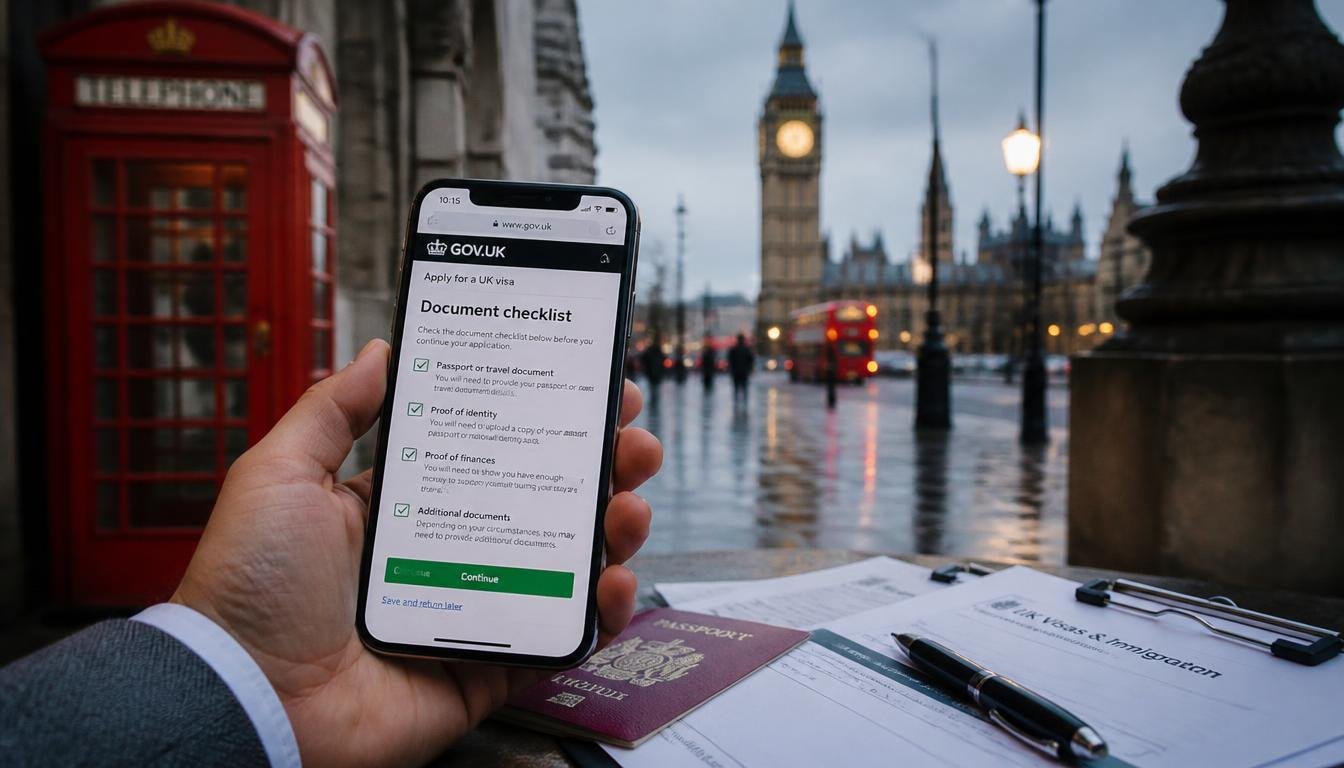
In the UK, Attendance Allowance is divided into two distinct levels: the lower rate and the higher rate. The lower rate is available to those who require care for a part of the day, while the higher rate is for individuals who need help or supervision throughout the day or night. This classification allows for tailored support based on the severity and nature of the individual’s needs.
To qualify for Attendance Allowance, applicants must meet specific eligibility criteria. First and foremost, individuals must be aged 65 or older when they apply. Additionally, applicants must have experienced their disability for at least six months prior to making a claim, demonstrating that the care needs are not temporary. Importantly, individuals can qualify regardless of their income, savings, or employment status, although evidence of care needs must be provided.

Those eligible for Attendance Allowance can be greatly impacted by the financial assistance it offers, which can be used flexibly according to the recipient’s personal situation. This benefit not only fosters independence for individuals with disabilities but also provides crucial support for their caregivers or family members. Understanding the nuances of Attendance Allowance and its eligibility criteria is vital for potential applicants in Glasgow and across the UK.
Eligibility Criteria for Attendance Allowance
In order to qualify for Attendance Allowance (AA), applicants must meet specific criteria that assess their needs and circumstances. First and foremost, individuals must be aged 65 or over. This age limit is crucial as it distinguishes Attendance Allowance from other disability benefits aimed at younger populations. However, the nature of the applicant’s needs, rather than their age, plays a significant role in determining eligibility.

Residency status is another fundamental factor; applicants must be living in England, Scotland, or Wales for at least 2 of the last 3 years. This residency requirement ensures that the benefit is allocated to those who have established a significant presence in the UK. Moreover, it is pertinent to note that there are no nationality restrictions; foreign nationals are also eligible provided they meet the residency stipulations.
One of the core components of the eligibility assessment involves evaluating an individual’s daily living needs and mobility requirements. Applicants should demonstrate substantial difficulties with basic everyday tasks such as preparing meals, dressing, or personal hygiene, which must impact their ability to live independently. Additionally, mobility needs are considered, including whether the individual has trouble moving around inside their home or going out. It is essential for applicants to provide comprehensive evidence of these needs, possibly through medical documentation or care assessments.

This detailed assessment ensures that only those who require assistance due to age-related conditions or disabilities receive the Attendance Allowance. Proving one’s eligibility might necessitate collected testimonies from healthcare providers, which will help establish the genuine need for support in daily and mobility activities. Overall, understanding these eligibility criteria is crucial for potential applicants seeking to navigate the Attendance Allowance application process efficiently.
The Application Process Explained
The application process for Attendance Allowance is structured to assist individuals in securing the financial support they need. In Glasgow, the process begins with obtaining the necessary application form, which can be accessed online through the relevant government websites or by contacting local disability support services. It is advisable to ensure you are using the most recent version of the form, as updates may occur, impacting the information required.

Once you have acquired the application form, the next step is to fill it out thoroughly. It is crucial to provide accurate personal details, including your National Insurance number, address, and information about your current circumstances. When describing how your disability or health condition affects your daily living activities, be as detailed as possible. This might include aspects such as your mobility challenges, personal care needs, and any assistance required for household tasks.
In addition to the completed application form, supporting documents are essential for a successful application. It is recommended to gather evidence that substantiates your claim, which can include medical reports, letters from healthcare professionals, and any documentation confirming your diagnosis. These documents help illustrate the impact of your condition on your day-to-day life and support your eligibility for the allowance.
After completing the form and compiling the necessary documents, you should submit your application to the appropriate department. If you are unsure about where to send your application, this information is typically included on the form and the governmental websites. Remember to keep copies of all submitted documents for your records. If you encounter any issues during the application process, local advocacy groups can provide additional support and guidance, ensuring that your application is processed smoothly.
Common Mistakes to Avoid when Applying
The application process for the Attendance Allowance in Glasgow can often be daunting, and applicants frequently encounter various challenges that may hinder their success. Identifying common pitfalls is vital for ensuring a smoother experience and increasing the likelihood of a favorable outcome. One prevalent mistake is failing to provide adequate documentation when submitting the application. It is essential to include all relevant medical evidence and personal details that demonstrate the need for assistance. Lack of thoroughness in this aspect can lead to delays or outright rejections.
Another common error involves misunderstanding the eligibility criteria. Applicants must be aware of the specific requirements to qualify for Attendance Allowance. Many individuals mistakenly believe that living with a disability alone guarantees them support, but the degree of care needed is also evaluated. Thus, it is beneficial to review the guidelines closely before applying.
Additionally, some applicants neglect to fill out the forms carefully and completely. Omitting details or misrepresenting facts can significantly impact the assessment of their needs. It is advisable to take time when completing each section of the application forms, ensuring all questions are thoroughly answered. Seeking assistance from professionals or organizations specializing in disability rights can also offer valuable guidance.
Moreover, applying under pressure or rushing through the process can lead to careless mistakes. Applicants should allocate sufficient time to gather information and complete their applications. Patience and attention to detail are crucial for avoiding errors that could complicate the process. It is equally important to keep copies of all submitted documents, as this can facilitate easier follow-ups if further information is required.
By being cautious of these common mistakes and taking proactive steps to avoid them, applicants in Glasgow can navigate the Attendance Allowance application process more effectively, enhancing their chances of securing the support they need.
What to Expect after Submission
Once an applicant submits their Attendance Allowance application in Glasgow, they enter a critical phase where understanding the timeline and decision-making process is essential. Typically, applicants can expect to receive a decision within 12 weeks from the date of submission. However, delays can occur, particularly during peak application periods, which may extend this timeframe.
The decision-making process involves a careful examination of the application by trained officials who assess the provided information in conjunction with available medical evidence. This review includes verifying eligibility criteria and determining the level of care required as stated by the applicant. It is crucial for applicants to ensure that they provide comprehensive documentation that underlines their needs, as this will facilitate a smoother evaluation process.
In some circumstances, the relevant authority may require additional information or evidence to reach a decision. If this occurs, applicants should respond promptly to requests for further details. Failure to provide the necessary documentation can lead to additional delays or, in some cases, a refusal of the application. Therefore, it is advisable for applicants to maintain clear communication and follow up regularly if they have not received updates.
Once a decision is reached, applicants will receive a notification, typically sent through their mailing address. This letter will outline whether the application has been approved or denied, along with guidance on any subsequent steps the applicant may need to take. Should an application be declined, there is an option for applicants to appeal the decision, and instructions on how to proceed are usually included with the decision letter.
In conclusion, while the application and decision-making process for the Attendance Allowance can be lengthy, being well-informed and prepared can help ease the experience for applicants in Glasgow.
Reassessments and Changes in Circumstances
When individuals are awarded Attendance Allowance, it is based on their specific care needs at that point in time. However, it is important to understand that changes in an applicant’s health condition or personal circumstances can affect the status of this allowance. If an individual’s condition worsens or improves significantly after the grant of Attendance Allowance, it is crucial to notify the relevant authorities, as this could lead to a reassessment of their entitlements.
The first step in this process involves informing the Department for Work and Pensions (DWP) about the change in circumstances. This notification is essential, as it ensures that the DWP has the most current information regarding an individual’s needs. Changes can include physical health deterioration, a new diagnosis, or even a recovery that affects the level of assistance required. It is recommended that applicants report these changes as soon as they occur.
Notification can typically be done via a phone call or by sending a letter detailing the changes. During this communication, individuals may need to describe how their care needs have changed and provide any necessary supporting evidence, such as medical reports or assessments. The DWP may then decide to carry out a reassessment, which may involve a home visit or additional paperwork.
The implications of a reassessment can vary significantly. If the DWP determines that the individual’s care needs have increased, they may qualify for a higher rate of Attendance Allowance. Conversely, if their needs have lessened, it could lead to a reduction in their allowance or in some cases, a cessation of benefits altogether. Therefore, it is vital for recipients to keep the authorities informed of any significant changes in their health conditions to ensure that they continue receiving the appropriate level of support.
Appealing a Decision
When an application for Attendance Allowance is denied in Glasgow, recipients have the right to appeal the decision. The appeals process can appear daunting, but understanding the steps involved can ease the way for applicants. The first step in challenging the decision is to formally request a reconsideration of the application. Within one month of the decision notice, applicants should submit their appeal to the Department for Work and Pensions (DWP). It is advisable to include a written explanation outlining the reasons for the appeal, highlighting any relevant circumstances or new information that may have been overlooked in the initial examination of the application.
After submitting the appeal, it is important to keep a record of all correspondence with the DWP. Applicants should also note the date when they submitted their appeal, as this may be essential in determining deadlines for further submissions. The DWP typically takes several weeks to respond to reconsideration requests. Should the appeal still result in a denial, the next step is to escalate the matter to an independent tribunal.
The tribunal process involves submitting additional evidence that supports the claim for Attendance Allowance. This may include medical records, testimonials from healthcare professionals, or other relevant documentation that substantiates the need for assistance. Applicants are required to submit their appeal to the tribunal service within 30 days of receiving the DWP’s reconsideration decision.
It is crucial for applicants to prepare adequately for the tribunal hearing. Understanding the process and gathering pertinent evidence can make a significant difference in the outcome. Appeals can be a lengthy process, but persistence and thorough preparation can ultimately lead to a successful outcome. In conclusion, while the appeals process can be complex, taking these steps diligently and timely increases the chance of receiving Attendance Allowance after a denial.
Financial Considerations and Additional Support
The Attendance Allowance can significantly impact an individual’s overall financial situation, particularly for those who may already be relying on other benefits. This allowance is designed to assist individuals with the additional costs incurred due to their disabilities, serving as a vital source of support for many. However, it is essential to understand how receiving Attendance Allowance can affect eligibility for various other benefits.
Generally, Attendance Allowance is not counted as income when assessing entitlement for means-tested benefits, which means that recipients can derive financial benefits without fear of losing other support. Nonetheless, depending on the amount awarded, it might influence the amount receivable from certain allowances or benefits, such as Housing Benefit or Council Tax Reduction. Therefore, it is advisable for applicants to seek detailed information on how their circumstances may change as a result of receiving Attendance Allowance.
In addition to the Attendance Allowance, there may be supplementary support available from local councils. Many councils provide additional services such as assistance with mobility issues, home adaptations, and specific discounts on council services for individuals with disabilities. It is worth exploring what local support services are available in Glasgow, as these can help bridge any financial gaps that individuals may experience.
Moreover, some charitable organizations and community groups offer grants or financial assistance aimed at those in need. These organizations can be beneficial resources for individuals seeking additional financial aid or support. Ultimately, evaluating all possible income streams and supports is crucial for maximizing financial stability for those applying for or receiving Attendance Allowance.
Conclusion and Additional Resources
In conclusion, navigating the Attendance Allowance application process in Glasgow can be daunting, given the intricacies involved. It is crucial for applicants to have a comprehensive understanding of the eligibility criteria, application procedures, and the support services available to facilitate a smoother experience.
For those seeking further information, several official government websites offer resources and guidance specific to the Attendance Allowance. The UK Government’s official site provides detailed instructions on eligibility, application forms, and necessary documentation. Additionally, local government websites may have tailored resources that reflect the specific context of Glasgow, helping to streamline the application process.
Support organizations play an essential role in assisting applicants. Organizations such as Age Scotland and Parkinson’s UK provide valuable resources, including helplines and advice services. These groups can offer personalized support to individuals navigating the complexities of making an application and understanding their rights.
In addition to these resources, numerous helplines are available to provide immediate assistance to applicants. The Disability Rights UK helpline, for example, offers advice on various benefits, including the Attendance Allowance, and can guide applicants on how to present their case effectively.
By utilizing these resources, applicants can better equip themselves with the necessary knowledge and support to enhance their chances of a successful application. With the right information and assistance, navigating the Attendance Allowance application process does not have to be an overwhelming experience.