
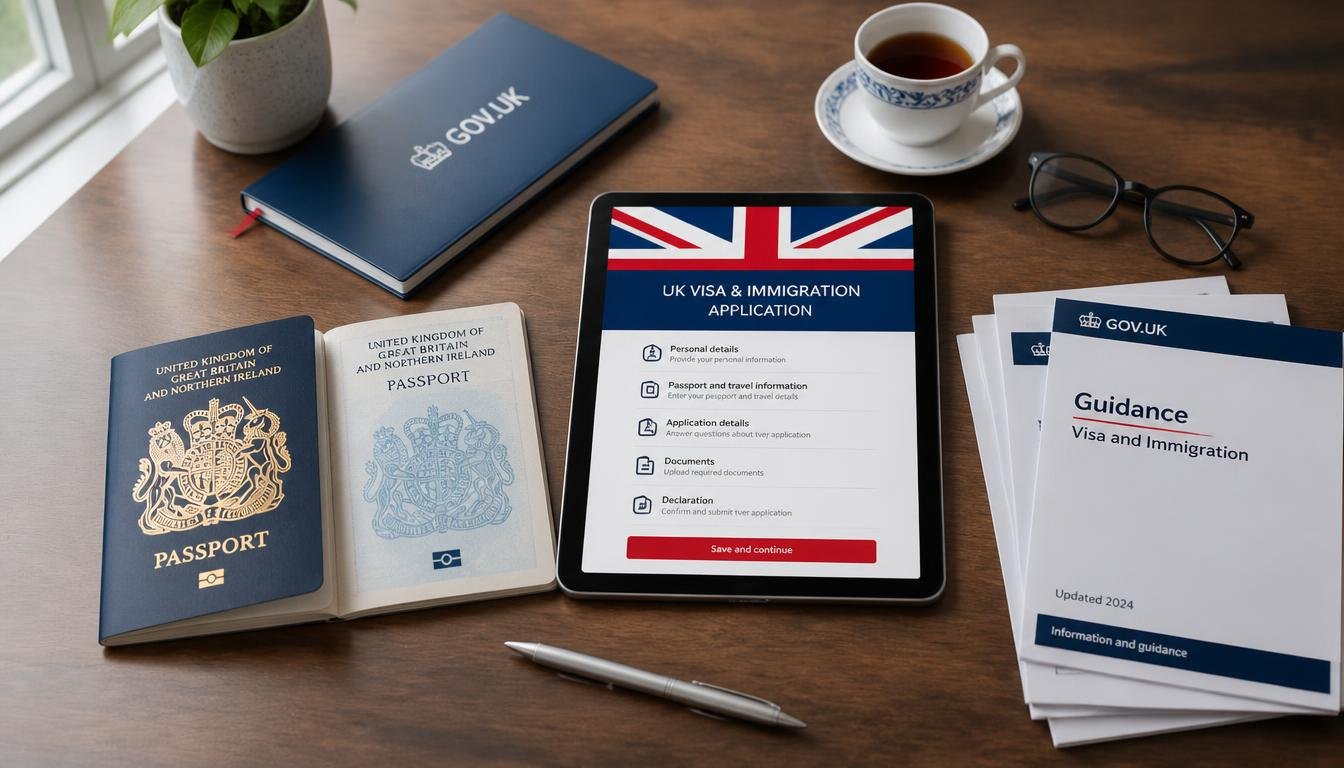
Understanding Council Housing
Council housing in the UK plays a crucial role in providing affordable accommodation for individuals and families requiring assistance. Essentially, council housing refers to residential properties that are owned and managed by local authorities. These properties serve the purpose of offering long-term, secure housing solutions to eligible residents who may struggle to find suitable accommodation in the private rental market.
There are various types of council housing available, including flats, houses, and bungalows, which can cater to different family sizes and needs. Local councils assess individual circumstances to allocate suitable properties based on availability and the specific requirements of applicants. The aim is to ensure that vulnerable groups, including low-income families, the elderly, and individuals with disabilities, have access to affordable housing options.
Eligibility for council housing typically depends on several factors, including income level, housing needs, and local connection to the area. Applicants generally need to demonstrate that they are in need of housing assistance, which may include proving overcrowding in their current living situation or being at risk of homelessness. Additionally, local councils have specific criteria that prioritize certain groups, such as families with dependent children or individuals with health issues.

It is important to differentiate council housing from other housing options in the UK, such as privately rented accommodation or housing associations. While council housing is managed by local authorities and aims to provide lower rents, privately rented properties can often be more expensive and may lack the security of tenure typically associated with council housing. Housing associations, on the other hand, although offering affordable housing, generally operate under different regulations and may have varied eligibility requirements. Understanding these distinctions is vital for potential applicants navigating their housing options.
Eligibility Requirements for Single Parents
When applying for council housing, single parents in the UK must navigate specific eligibility requirements that can affect their application process. These requirements are crucial as they determine the chances of securing suitable accommodation.

One of the primary considerations is income thresholds. Most councils would assess the income of the single parent to ensure they meet the criteria for affordable housing. Generally, councils set income limits to prioritize those in need and effectively manage available resources. It is essential for applicants to provide clear and accurate information regarding their earnings, which may include wages, benefits, or any additional financial support they receive.
Another significant factor impacting eligibility is the number of dependents. Single parents with children often have a greater need for housing as they must accommodate their dependents safely and comfortably. In many cases, councils take into account the ages of the children and may prioritize those with younger dependents or multiple children. This consideration ensures that the allocated housing meets the family’s size needs.

Moreover, there are additional considerations that may influence eligibility. For instance, single parents who have experienced domestic violence may receive priority status, allowing them access to housing more swiftly. Furthermore, health conditions and disabilities are also assessed, as they can impact living arrangements and the need for specific housing adaptations.
It is imperative for single parents to gather all necessary documentation and information when applying for council housing. This includes payslips, benefit letters, and evidence of their child’s status. By clearly understanding these eligibility criteria and preparing the required documents, single parents can enhance their chances of a successful application.
Steps to Apply for Council Housing

Applying for council housing as a single parent involves several systematic steps to ensure a smooth process. Firstly, it is essential to check your eligibility. Most councils require applicants to have a certain connection to the area, have a housing need, and be a priority due to personal circumstances such as being a single parent. Eligibility criteria may vary; therefore, review your local council’s requirements carefully.
Once you’ve established eligibility, the next step is to fill out the application form. Application forms can typically be found online on your local council’s website or obtained directly from their housing office. When completing the form, ensure that every section is filled out accurately to avoid delays. Be honest and precise in your responses, especially when disclosing personal circumstances that highlight your need for housing.
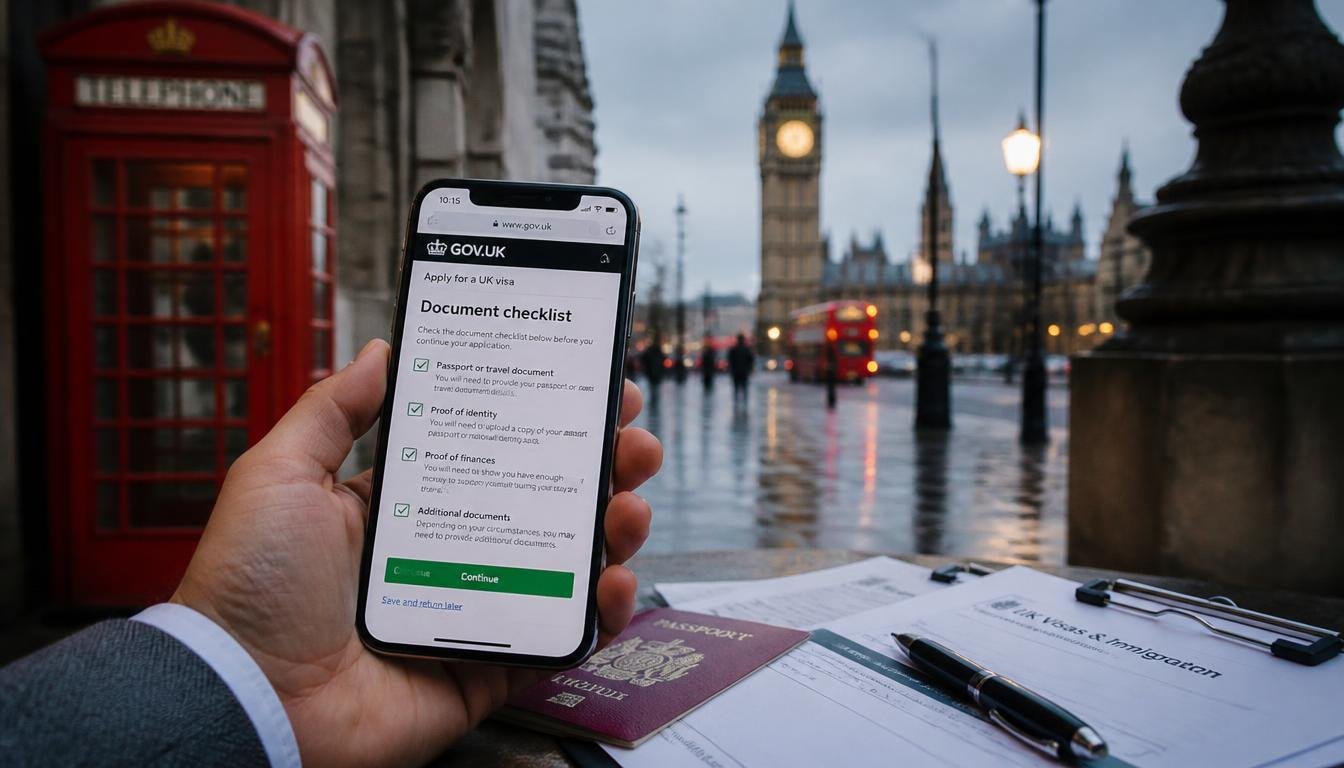
Documentation plays a vital role in strengthening your application. You will generally need to provide proof of identity, which could include a passport or birth certificate, proof of residency, and financial information such as benefits statements or payslips. As a single parent, additional documents might be necessary, such as custody agreements or letters from social services if applicable. Collecting all needed documentation beforehand can expedite the application process.
To ensure your application is complete, follow these tips: double-check each section of the form before submission, ensure all required documents are included, and maintain copies of everything you submit. It may be beneficial to seek assistance from local housing advice services or charities specializing in support for single parents. They can provide valuable insights and may help navigate through the application process.
Finally, after submitting your application, keep communication lines open with your local council. They might contact you for further information or clarification, and being responsive can help prevent any setbacks in your housing application process.
What to Expect After Applying
Once a single parent submits an application for council housing, they enter a waiting period during which various assessments are conducted. Understanding what to expect during this process can alleviate uncertainty and help inform future actions. Firstly, applications are typically assessed based on a range of criteria, including housing need, the applicant’s current living situation, and any specific requirements related to children or dependents.
The local council will evaluate the urgency of the housing need, which may lead to prioritization on the waiting list. This assessment is vital, as it determines how quickly housing can be allocated. Depending on the severity of circumstances—such as homelessness or overcrowding—single parents may receive higher priority status. Therefore, it is crucial to provide comprehensive information and documentation when applying, as this will support the assessment process.
Waiting times can vary significantly based on several factors, including the demand for housing in the area and the availability of suitable properties. In some cases, single parents may experience longer waits than expected, especially in regions facing housing crises. Keeping in regular contact with the council and inquiring about the status of the application can be beneficial during this waiting period.
If a single parent’s application is unsuccessful, there are options available for appeal. It’s important to read the decision letter carefully, as it will outline the reasons for the decision and the steps needed to appeal. Engaging with local support services or legal advice can also help clarify the appeal process. Understanding the grounds for appeal and gathering necessary evidence can significantly improve the chances of a successful outcome. By being prepared and informed, single parents can navigate the complexities of the council housing application process with greater confidence.