
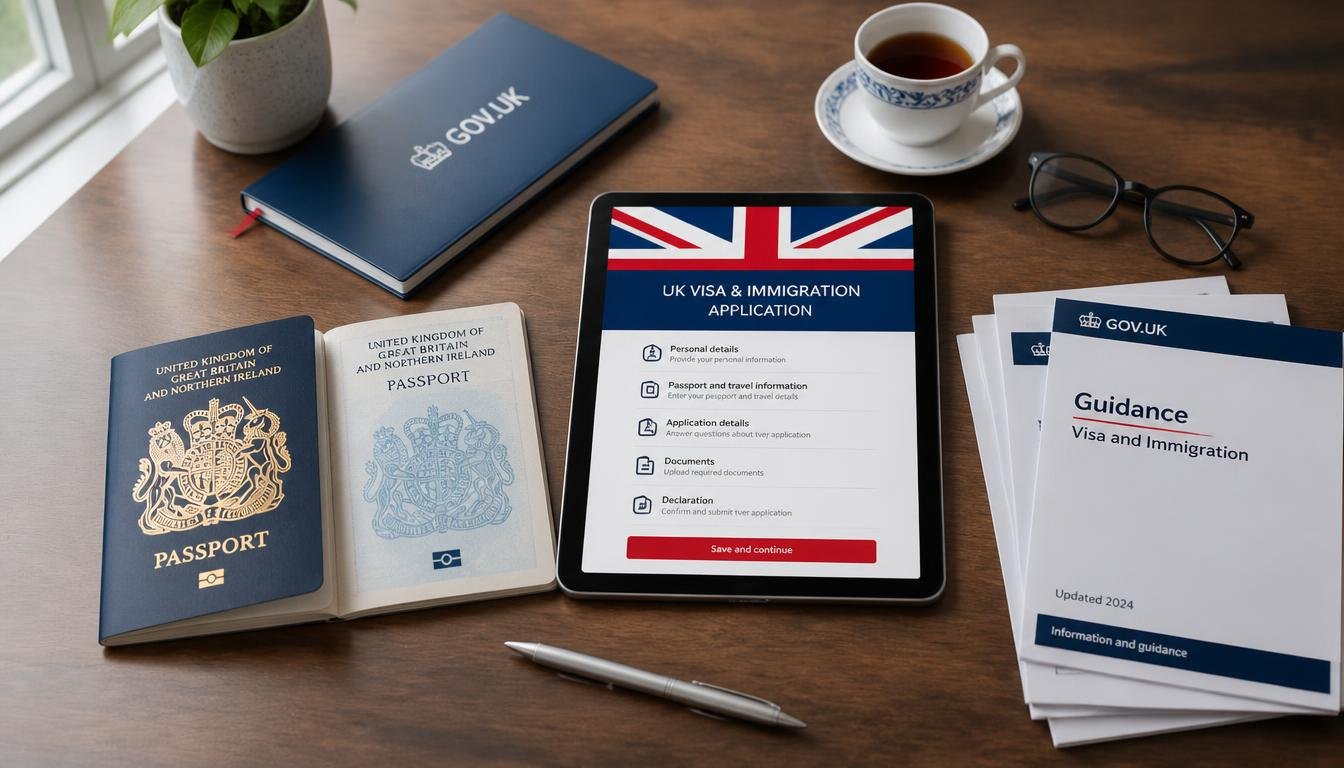
Understanding National Insurance Numbers
A National Insurance Number (NIN) is a unique identifier issued to individuals in the United Kingdom for the purpose of tracking their contributions to the National Insurance system. This system plays a fundamental role in the UK’s welfare and taxation framework. Each NIN is personal and remains with the individual for life, regardless of changes in name or marital status.
The primary importance of a National Insurance Number lies in its use for tax purposes. It enables the government to monitor income contributions, which are essential for an individual’s benefits eligibility. National Insurance contributions are deducted automatically from wages and salaries, forming a crucial part of public revenue used to fund various services, including healthcare and welfare benefits.
Moreover, having a National Insurance Number is vital for accessing social security benefits. For instance, entitlement to certain benefits such as the State Pension, Jobseeker’s Allowance, and maternity allowances is often dependent on an individual’s contribution record. Without a valid NIN, new residents may encounter difficulties in claiming these important benefits, which are essential for their financial security in the UK.

In addition to tax and benefits, the NIN is also necessary for accessing a range of public services. Various government departments, financial institutions, and employers may require the NIN for verification purposes. This includes processes related to hiring and payroll setup, ensuring that proper social security contributions are made on behalf of the employee.
Overall, understanding the significance of obtaining a National Insurance Number is crucial for new residents in the UK. It not only facilitates lawful working and tax arrangements but also serves as a gateway to essential benefits and public services aimed at supporting resident welfare.
Eligibility Requirements for New Residents

Obtaining a National Insurance Number (NIN) is an essential step for new residents in the UK who wish to work, access public services, or pay taxes appropriately. Eligibility for receiving a National Insurance Number is determined by specific criteria that new residents must meet.
Typically, individuals who are at least 16 years old and reside in the UK are eligible to apply for a National Insurance Number. This includes individuals who have relocated from other countries and are now permanent or legally residing in the UK. For instance, British citizens returning from abroad and foreign nationals with settled status may qualify under these provisions.

In addition to age and residency requirements, applicants must have the right to live and work in the UK. This right is typically granted through work visas, indefinite leave to remain, or other immigration statuses. It’s important to note that individuals without a valid visa or legal status in the UK are not eligible for a National Insurance Number.
Special circumstances may apply for certain groups, such as international students or temporary residents. International students studying in the UK may be able to apply for their National Insurance Number if they have secured a job or are undertaking a part-time work placement relevant to their studies. However, the criteria may differ slightly for temporary residents, wherein eligibility may depend on the duration of their stay and the nature of their residency.

Furthermore, exceptions exist for particular scenarios, such as individuals coming to the UK under specific government programs or humanitarian grounds who may still require a NIN to carry out certain activities. Therefore, understanding these eligibility requirements is crucial for new residents.
In conclusion, the qualifications for obtaining a National Insurance Number vary depending on residency status, age, and legal rights to work within the UK, providing a pathway for individuals to engage in economic and social activities.
The Application Process: Step-by-Step Instructions
Obtaining a National Insurance Number (NIN) is an essential step for new residents in the UK, as it is required for tax purposes and social security benefits. The process can seem daunting, but with careful attention to the required steps, it can be a straightforward experience.
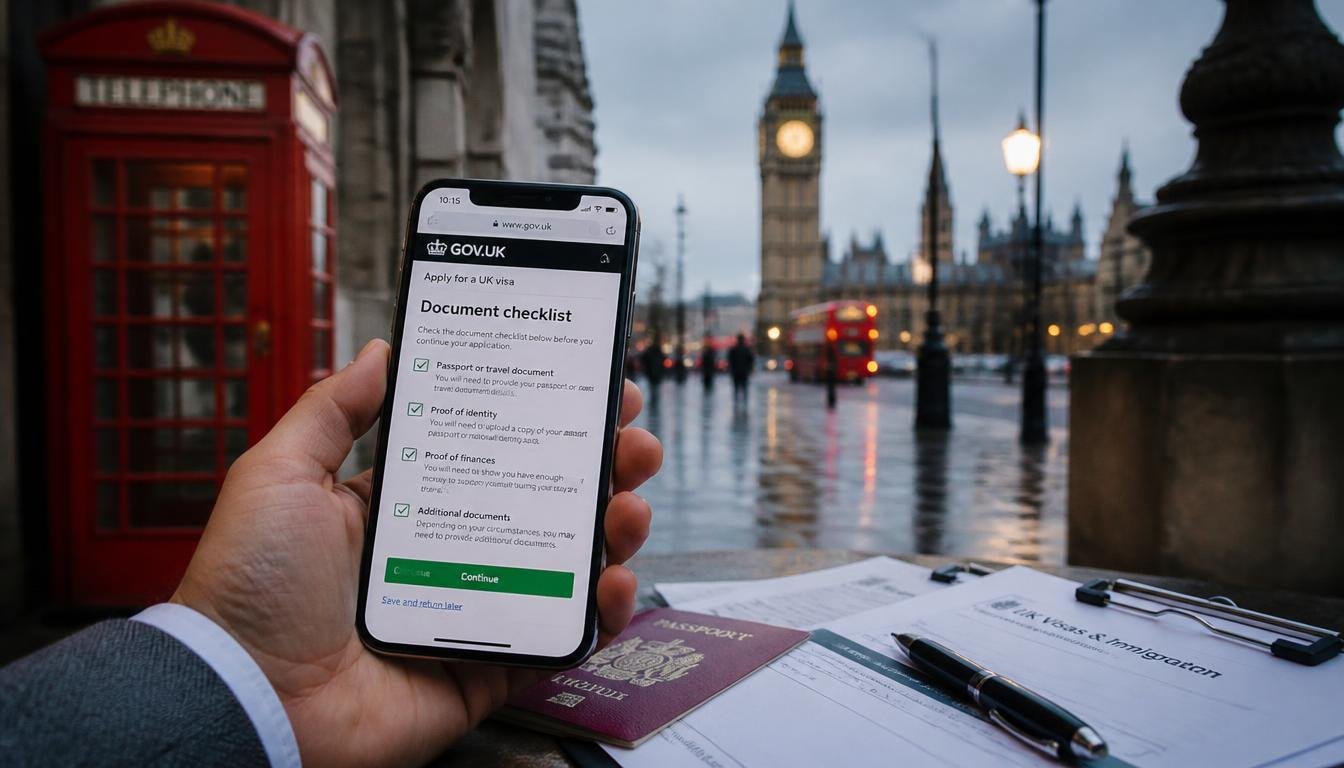
The first step in the application process is to gather the necessary identification documents. You will need to provide proof of identity, which can include a valid passport, a biometric residence permit, or other government-issued identification. It is crucial to ensure that the documents you submit are current and valid, as failure to meet identification requirements can delay your application.
Once you have compiled the necessary identification, you must fill out the appropriate application form. For most new residents, this involves completing the NIN application form available on the UK government’s official website. Ensure that you fill out the form accurately and provide any additional information or supporting documents as requested. It is advisable to double-check your entries for any mistakes before submission, as errors could result in a rejection of your application.
After the form has been completed, you must submit your application. There are several ways to submit your NIN application, but the preferred method is to do this online. Create an account on the official government portal where you can submit your application electronically. Alternatively, you can also apply via post, although this method may take longer to process. Be sure to keep copies of all documents you send.
In addition to the submission, you may be required to attend an interview at a local job centre. During this interview, you should bring your identification documents and any other relevant paperwork. This step is designed to confirm your identity and ensure that all information provided is accurate.
Once you have completed these steps, you will receive your National Insurance Number in the post, typically within a few weeks. It is important to note that while you wait for your NIN, you should still engage in employment or training as usual, as your application will be processed concurrently. If you follow these instructions carefully, you will successfully navigate the application process for your National Insurance Number.
Documents Needed for Application
When applying for a National Insurance Number (NIN) as a new resident in the UK, it is essential to prepare several key documents to ensure a smooth application process. Proper documentation serves as a verification of identity and residency, which are crucial for the issuance of your NIN.
First and foremost, valid identification is a requirement. This could include a passport, biometric residence permit, or national identity card. Each of these documents provides proof of your identity and establishes your entitlement to a National Insurance Number. If your application is being processed through a local Jobcentre Plus, having identification readily available simplifies the verification process.
In addition to identification, proof of residency is also necessary. Acceptable forms of proof may include a utility bill, rental agreement, or a bank statement that clearly displays your name and current address. This documentation confirms your current living situation and the duration of your stay in the UK, which is important for NIN eligibility.
Furthermore, if you have recently started a job or are planning to work in the UK, a letter from your employer can be beneficial. This document should outline your employment details, including your start date and the position you hold. It provides additional context for your application and underscores the necessity of obtaining a National Insurance Number.
By ensuring you have these essential documents—valid identification, proof of residency, and employment details—you will be better positioned to navigate the steps towards successfully obtaining a National Insurance Number. The availability of these papers not only streamlines the application process but also improves the likelihood of a swift approval, allowing you to engage fully in the UK workforce without unnecessary delays.
How to Prepare for Your National Insurance Interview
Preparing for an interview to obtain a National Insurance Number is a critical step in ensuring a smooth application process. This interview serves as a means for the authorities to verify your identity and the reasons for your application, making it essential to approach it with diligence and readiness.
Firstly, it is advisable to gather all necessary documentation prior to the interview. This may include identification documents such as your passport, residence permit, and any additional paperwork that demonstrates your residency status in the UK. Having these documents organized and readily available will not only facilitate the interview process but also present you as a well-prepared candidate.
Secondly, familiarizing yourself with the potential questions that may be asked during the interview can significantly enhance your confidence. Typical questions might revolve around your reasons for applying, your current living situation, and your employment status. Understanding these topics allows you to articulate your circumstances clearly and concisely.
Next, consider practicing your answers to these questions, which can be beneficial in reducing anxiety on the day of your interview. Role-playing with a friend or family member can simulate the experience and help you refine your responses. Additionally, practice active listening during the mock interview, as this will equip you to engage effectively with the interviewer.
Lastly, it’s essential to adopt a professional demeanor during the interview. Arriving on time, dressing appropriately, and maintaining good body language will contribute positively to the impression you make. Demonstrating respect and politeness can also help in establishing a rapport with the interviewer.
In conclusion, proper preparation for your National Insurance Number interview involves gathering the right documents, understanding possible questions, practicing your responses, and presenting yourself professionally. By following these steps, you will enhance your chances of a successful outcome in obtaining your National Insurance Number.
Timeline for Receiving Your National Insurance Number
When a new resident applies for a National Insurance Number (NIN), understanding the expected timelines for processing applications becomes essential. Generally, the processing time can vary based on several factors, including the applicant’s specific circumstances and the current workload of the processing centers.
Typically, applicants can expect to receive their National Insurance Number within 8 to 10 weeks after submitting their application. However, this timeframe is not set in stone; certain conditions may lead to delays. For instance, if an application is incomplete or lacks necessary documentation, it may take longer for the processing staff to reach a final outcome.
Several factors can influence the speed of processing a National Insurance Number application. Firstly, the volume of applications received can affect how quickly individual applications are handled. During peak times, such as the beginning of a tax year or period of increased employment activity, backlogs may occur. Secondly, the processing center’s efficiency and the specific resource availability at the time of application also play crucial roles in determining the timeline.
Additionally, providing complete and accurate information in the application can help ensure that the process moves along smoothly. If all required documents are submitted correctly, this can significantly shorten the wait time, as the application will not require additional clarification or documentation from the applicant.
In conclusion, while most new residents can expect their National Insurance Number to arrive within a couple of months, being aware of the potential for delays and ensuring that all paperwork is in order will help facilitate a smoother application process. Thus, planning ahead and keeping an eye on the application progress is advisable for a seamless experience in obtaining this important identification number.
Common Challenges and How to Overcome Them
Obtaining a National Insurance Number (NIN) as a new resident can be a complex process fraught with challenges. Many individuals encounter a variety of hurdles, including delays in processing, confusion over required documentation, and a lack of understanding of the application process. Recognizing these challenges is the first step in overcoming them and ensuring a smoother application experience.
One of the most common issues is the delay in processing applications. The UK’s National Insurance system can experience backlogs, particularly during peak periods. To mitigate this challenge, it is advisable to submit your application as early as possible. Additionally, tracking your application status regularly can provide peace of mind while waiting for a response. If excessive time has elapsed, contacting the relevant department for an update can expedite the process.
Another significant hurdle is ensuring that all necessary documentation is correctly provided. Incomplete or incorrect submissions are frequent reasons for delays. To avoid this, thoroughly review the guidelines regarding documentation required for a NIN application. This typically includes identification documents like a passport or residence permit, proof of address, and potentially other paperwork. It is also beneficial to maintain copies of all submitted documents for your records.
Moreover, navigating the National Insurance Number application can be daunting due to technical jargon or complex forms. To address this challenge, utilizing online resources or seeking assistance from local support services can be invaluable. These resources often provide detailed guides or offer direct help in navigating the system. Additionally, connecting with fellow expatriates or local community groups can offer insights and firsthand experiences that simplify the application process.
In summary, while challenges such as delays and documentation issues are common in obtaining a National Insurance Number, proactive steps can help alleviate these concerns. By preparing thoroughly, being patient, and seeking support, new residents can successfully navigate the application process with greater ease.
Updating Your National Insurance Information
After receiving your National Insurance Number (NIN), it is essential to ensure that all personal details associated with it are accurate and up-to-date. Maintaining correct information is crucial for tax purposes and for accessing various services in the UK. If you experience any changes in your personal circumstances, whether it be a change of name, address, or nationality, you must take the necessary steps to update your information linked to your National Insurance Number.
To update your details associated with a National Insurance Number, the first step is to determine which aspects of your information require changes. Common reasons for updates include legal name changes due to marriage or divorce, moving to a new address, or changes in your nationality status, such as becoming a citizen or acquiring indefinite leave to remain. Regardless of the reason, it is vital to act promptly to keep your records accurate.
The process of updating your information typically involves contacting the National Insurance helpline. You can do this by calling the relevant contact number provided on the UK Government website. During the call, be prepared to provide your National Insurance Number along with personal details that can confirm your identity. This may include your full name, date of birth, and current address.
In some instances, you may be required to provide supporting documentation that verifies your identity and the reason for the update. This could include a marriage certificate, a utility bill with your new address, or official correspondence that confirms your nationality status. It is advisable to have these documents ready to facilitate a smooth updating process.
In conclusion, updating your National Insurance information is a straightforward but necessary procedure for anyone who wishes to keep their records accurate. Being proactive in making these updates helps prevent potential issues with taxation and access to services. Ensuring that your name, address, or nationality is correctly reflected in your National Insurance records is a responsibility that contributes to seamless integration into the UK system and supports proper management of your entitlements.
Resources for Further Assistance
As a new resident in the UK, navigating the process of obtaining a National Insurance Number (NIN) can seem daunting. Fortunately, there are numerous resources available to assist individuals in this matter. These resources encompass government services, helplines, and community organizations that are dedicated to providing support to newcomers.
The official GOV.UK website is the primary source for information regarding the application process for a National Insurance Number. Here, new residents can find detailed guidance on how to apply, what documentation is required, and the overall timeline for processing applications. This site frequently updates its content to reflect any changes in legislation or policy, ensuring the information remains accurate and reliable.
In addition to the government website, individuals can reach out to helplines that provide dedicated support for NIN inquiries. The National Insurance helpline can be contacted at 0800 141 207, where trained staff can answer questions and provide guidance tailored to specific situations. It is advisable to call during business hours to ensure prompt assistance.
Community organizations also play a vital role in supporting new residents through the NIN application process. Many local charities and non-profit groups offer workshops, informational sessions, and one-on-one counseling to help individuals understand their rights and responsibilities regarding National Insurance. For instance, organizations such as the Refugee Action and local immigrant support centers offer resources that can be invaluable.
Lastly, online forums and social media groups tailored to newcomers can offer personal insights and experiences regarding the National Insurance application process. These platforms can serve as a hub for exchanging advice and tips which can be beneficial for new residents as they navigate this important requirement in their new home.