
What is Carer’s Allowance?
Carer’s Allowance is a financial support scheme available in the United Kingdom, designed specifically for individuals who provide care to someone with a disability, long-term health condition, or mental health needs. The allowance serves to recognize the essential role played by caregivers in society, offering them some financial relief to assist with the demands of caregiving. Given that many carers may have to reduce their working hours or leave employment altogether to fulfill their caregiving responsibilities, the allowance aims to alleviate some of the financial pressure that may arise from these sacrifices.

The primary purpose of Carer’s Allowance is to support those providing substantial care to a person who requires assistance due to their health-related challenges. To qualify for Carer’s Allowance, an individual typically needs to spend a minimum number of hours per week—at least 35 hours—caring for someone who receives certain disability benefits, such as Personal Independence Payment (PIP) or Disability Living Allowance (DLA). This help is vital as it acknowledges that caring is both a demanding and rewarding role, often requiring significant time and commitment.
Additionally, Carer’s Allowance is significant as it can provide carers with the financial means to manage everyday expenses while ensuring they can continue to provide essential support to their loved ones. This allowance represents a form of recognition from the government regarding the importance of caregivers in maintaining the health and well-being of individuals with disabilities or health conditions. It encourages and enables individuals to take on the critical responsibilities associated with caregiving, by offering financial security during potentially challenging times.
Eligibility Criteria for Carer’s Allowance

Carer’s Allowance is a financial support available in the UK aimed at individuals who provide substantial care to someone with significant health needs. Understanding the eligibility criteria for this allowance is essential for those who may benefit from it.
Firstly, to qualify for Carer’s Allowance, the carer must be at least 16 years old. There is no upper age limit, meaning older individuals can apply provided they meet other criteria. This age requirement ensures that the support is accessible to both young and older caregivers who may be providing necessary assistance to vulnerable individuals.

Equally important is the requirement regarding the amount of care provided. The carer must offer at least 35 hours of care per week to the individual they support. This care can take various forms, including helping with daily tasks, administering medication, and providing emotional support. It is essential that this time commitment is consistent, as irregular or insufficient hours may not meet the necessary threshold for consideration.
Moreover, the individual receiving care must be in receipt of one of several specific benefits, such as Personal Independence Payment (PIP), Disability Living Allowance (DLA), or Attendance Allowance. These benefits highlight the need for a verifiable level of disability or health condition affecting the cared-for person, thereby ensuring that the focus remains on those with the most significant needs.

In addition to these points, applicants must be residing in the UK for at least 104 weeks (two years) out of the last three years before they can start their claim. This residency requirement ensures that support is granted primarily to those who have a stable connection to the UK’s welfare system.
The criteria outlined above play a pivotal role in determining eligibility for Carer’s Allowance, ensuring that those genuinely in need of financial assistance for caregiving responsibilities can access the support available to them.
How Much is Carer’s Allowance in 2026?

As we delve into the details of Carer’s Allowance in 2026, it is crucial to understand the amount that can be claimed by eligible individuals. Carer’s Allowance provides financial support to those who care for someone with substantial needs due to illness or disability. The rate for Carer’s Allowance is subject to annual reviews and adjustments by the government, reflecting changes in the economy and living costs.
In 2026, the Carer’s Allowance is anticipated to be approximately £78.75 per week, based on the previous fiscal year’s adjustments and consistent government policies. This figure may vary slightly as it depends on the government’s budgeting decisions and any changes made during parliamentary sessions. Eligible claimants can expect annual increments, which generally align with inflation rates to ensure that the support remains relevant in real terms.
It is worth noting that Carer’s Allowance has specific eligibility criteria that potential claimants must meet. The person receiving care must be in receipt of certain benefits, such as Personal Independence Payment (PIP) or Disability Living Allowance (DLA), which underscores the need for a thorough understanding of the financial thresholds required for qualification. Claimants should also be aware that if they earn income from employment while receiving Carer’s Allowance, there are limits, as earnings exceeding £132 per week can affect the amount received.
In conclusion, Carer’s Allowance in 2026 remains a crucial support for those providing care. By remaining informed about the financial aspects and eligibility criteria, carers can access the resources they need to support their loved ones effectively. It is advisable for potential claimants to stay updated with any changes announced by the government concerning rates and regulations regarding Carer’s Allowance.
How to Apply for Carer’s Allowance
Applying for Carer’s Allowance in the UK is a process that requires careful attention to detail and the submission of specific documentation. First and foremost, it is essential to ensure that you meet the eligibility criteria before initiating the application. To qualify, you must be at least 16 years old, spend at least 35 hours a week caring for someone, and the person you care for must be receiving certain disability benefits.
Once you have confirmed your eligibility, the next step is to prepare the necessary documentation. This typically includes identification such as a passport or driving license, proof of your caring responsibilities, and evidence of the benefits the person you care for is entitled to. It is advisable to gather these documents early in the process to avoid any delays in your application.
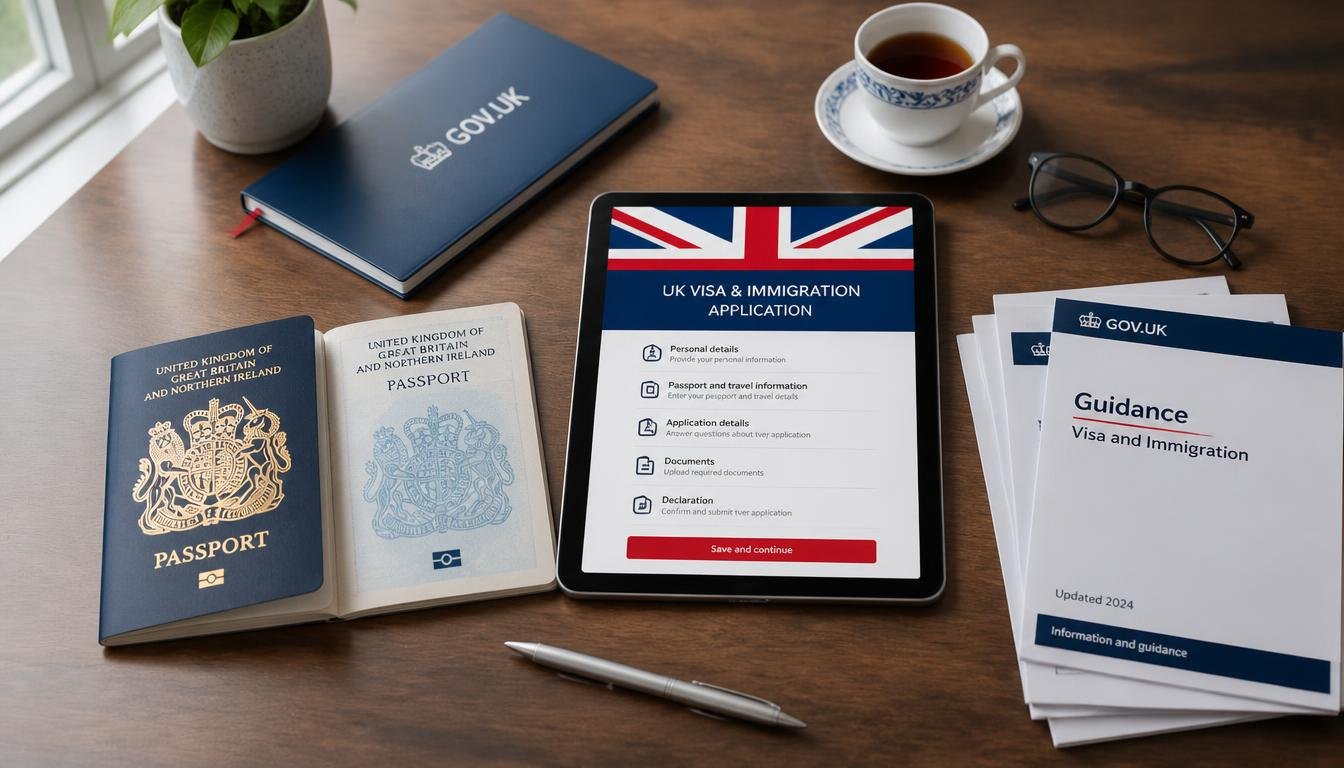
The application for Carer’s Allowance can be completed online through the official government website, or you can request a paper application form to fill out. Completing the online form may expedite the process, as it is designed for ease of use and provides on-screen guidance. During the application, you will need to provide information about yourself, your relationship with the person you care for, and details regarding their condition and benefits.
After submitting your application, it is crucial to monitor its status. The processing time for Carer’s Allowance applications can vary, so patience is required. If additional information or documentation is needed, the Department for Work and Pensions (DWP) will contact you directly. Regularly checking for updates is beneficial to ensure your application is progressing smoothly.
In conclusion, the application process for Carer’s Allowance involves ensuring eligibility, preparing documentation, and completing the application form diligently. Following these steps can help facilitate a successful application experience for prospective recipients of Carer’s Allowance.
Renewing Your Carer’s Allowance Claim
Renewing your Carer’s Allowance claim is an essential process that ensures you continue to receive financial support for your caring responsibilities. Typically, Carer’s Allowance does not expire, but you are required to renew the claim under certain circumstances, especially if your situation changes.
Firstly, it is important to understand that you must inform the relevant authorities if there are any changes in your circumstances. This can include changes in your caring role, such as if the person you care for no longer requires support or if you become unable to provide care. Additionally, any shifts in your own financial situation, employment status, or health conditions that may impact your eligibility should also be reported promptly.
The renewal of your Carer’s Allowance claim is also influenced by the caring relationship. You should regularly reassess whether you meet the eligibility criteria, which involves confirming that you care for someone who receives a qualifying benefit for at least 35 hours per week. Changes in the recipient’s benefits will also necessitate a review of your carer status.
While the claim itself does not have an expiration date, it is crucial to remember that ongoing verification of eligibility is vital. If any discrepancies arise in your reported circumstances compared to the reality of your situation, this may lead to complications with your allowances, including possible overpayment or underpayment issues.
Should you require assistance with the renewal process or clarifications about your obligations, contacting your local benefits office or seeking advice from local charities can provide valuable support. Maintaining accurate and timely communication ensures that your Carer’s Allowance claim continues smoothly, thus safeguarding your financial assistance.
Impact of Earnings on Your Carer’s Allowance
The Carer’s Allowance is a vital source of financial support for individuals who provide care to someone with substantial needs. Understanding how your earnings can influence the amount of Carer’s Allowance you can receive is crucial for those managing both work and caregiving responsibilities. In the UK, there is a specific income threshold that directly affects eligibility for this allowance.
As of 2026, individuals claiming Carer’s Allowance must not exceed the income threshold while still being able to maintain their caregiving duties. The maximum earnings you can receive before your Carer’s Allowance begins to decrease is set at a defined amount annually. If your net earnings surpass this threshold, your entitlement to Carer’s Allowance may be reduced or completely withdrawn, depending on the extent of the excess.
Furthermore, it is essential to note that certain deductions may apply when calculating your net earnings. Expenses that are necessary for your work can often be deducted, which may include costs such as travel for work-related responsibilities or necessary tools for your job. By mitigating some of your income through allowable deductions, you might continue to qualify for Carer’s Allowance despite earning above the general limit.
Additionally, other sources of income, such as pensions or other benefits, must also be taken into account, as these can further affect your eligibility. Hence, it is advisable to keep track of any income and deductions meticulously to ensure compliance with the rules governing Carer’s Allowance. Understanding the interplay between earnings and Carer’s Allowance can help caregivers maximize their financial support and navigate their multiple commitments effectively.
Carer’s Allowance and Other Benefits
Carer’s Allowance is a significant form of financial support for individuals who provide care to someone with a disability or health condition in the UK. While this allowance is essential for many caregivers, it is crucial to understand how it interacts with other benefits that claimants may be eligible for, such as Universal Credit and Disability Living Allowance (DLA).
When a caregiver receives Carer’s Allowance, it can potentially impact their eligibility for other benefits. For instance, when claiming Universal Credit, the amount of Carer’s Allowance may be taken into account, affecting the total benefit amount received. This is particularly important for individuals who rely on a combination of benefits to meet their financial needs. The DWP (Department for Work and Pensions) will assess the overall household income, which includes Carer’s Allowance, when determining the entitlement to Universal Credit.
Furthermore, if a person is already receiving Disability Living Allowance, they may still be entitled to claim Carer’s Allowance. However, they must ensure that the care receiver meets the necessary criteria for DLA, which typically includes needs arising from their disability. In some cases, receiving Carer’s Allowance can even serve as evidence of the level of care being provided, enhancing the care receiver’s claim for DLA.
It’s essential for caretakers to be aware of how Carer’s Allowance can interact with other benefits. Caregivers may find themselves in a situation where claiming Carer’s Allowance may not yield a financial benefit if coupled with other benefits, depending on the overall situation. Speaking with a benefits advisor or using online resources can provide personalized advice based on individual circumstances.
In conclusion, understanding the interplay between Carer’s Allowance and other benefits is vital for caregivers in the UK. By knowing how these benefits interact, individuals can navigate their options for financial support more effectively, ensuring that they receive the maximum assistance available to them.
Common Mistakes to Avoid When Claiming Carer’s Allowance
Claiming Carer’s Allowance can be a crucial support for those who provide care for individuals with serious health conditions or disabilities. However, many applicants often encounter challenges that can hinder the successful processing of their claims. This section aims to identify common mistakes applicants make and provide guidance on how to avoid them.
One frequent mistake is misinformation regarding eligibility criteria. Many applicants do not fully understand the requirements for Carer’s Allowance and may mistakenly believe they qualify when they do not. It is essential to review the official guidelines thoroughly to ensure that you meet the criteria, including the need for providing regular care for a minimum of 35 hours per week and the recipient of care meeting certain disability criteria.
Another common issue arises from missed deadlines. Many applicants overlook the importance of promptly submitting their claims or fail to reapply when necessary. It is vital to keep track of submission deadlines and any subsequent notifications from the relevant authorities to avoid a lapse in benefits or a denial of the claim.
Incorrect documentation is also a major pitfall. Applicants often fail to provide the necessary supporting documents or submit forms that are not completed accurately. Ensure that all required documents, including proof of identity, care hours log, and medical evidence for the person you care for, are included and correctly filled out. Failing to do so can lead to delays or rejections of your claim.
To counter these mistakes, it is advisable to maintain organized records and checklists to ensure completeness when submitting claims. Engaging with advisory services or support groups may also provide the necessary guidance and information to navigate the application process more effectively. By being aware of these common pitfalls, applicants can enhance their chances of a smooth and successful Carer’s Allowance claim.
Resources and Support for Caregivers
Caregiving can be a demanding and emotionally taxing role. Consequently, it is essential for caregivers to access available resources and support systems that can help alleviate the challenges associated with this responsibility. Various organizations, hotlines, and online communities exist to provide assistance and advice regarding Carer’s Allowance and caregiving in general.
One prominent organization is Carers UK, which offers a wealth of information on rights, benefits, and local support networks for caregivers. They deliver comprehensive guidance on how to apply for Carer’s Allowance, as well as providing insight into additional financial support options available for those caring for someone with disabilities or chronic illnesses. Carers UK also facilitates peer support through forums where caregivers can share experiences and advice.
For direct support, the Carers Trust is another valuable resource. This charity focuses on connecting caregivers with local networks and services, enabling them to access respite care, training, and counseling. Their partner organizations across the UK create a nationwide support mechanism for caregivers, ensuring that individuals can find the specific help they need in their respective regions.
Additionally, there are various hotlines available that offer immediate assistance and guidance. The National Caregiver Support Line, for example, provides access to trained professionals who can help with queries related to caregiver rights, emotional support, and practical help in managing care duties. These hotlines can be indispensable for caregivers facing immediate emotional distress or confusion regarding available benefits.
Lastly, online communities and forums provide a platform where caregivers can connect, share experiences, and find solidarity in their journeys. Websites such as Reddit and Facebook groups dedicated to caregiving allow users to seek advice, share tips on utilizing Carer’s Allowance effectively, and discuss challenges they encounter in their caregiving roles. Combining these resources can significantly enhance the support system available to caregivers in the UK.