
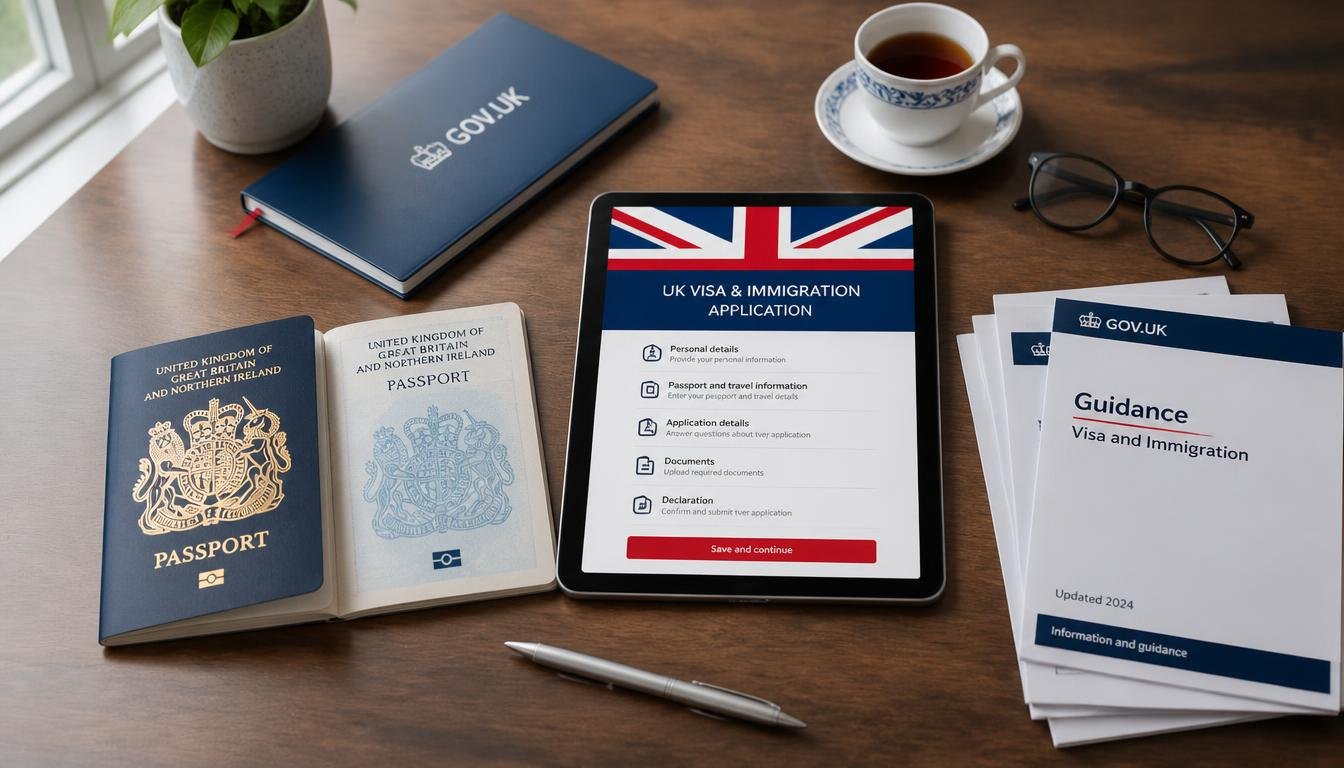
Introduction to Free School Meals and Universal Credit
Free school meals (FSM) represent a crucial element in promoting child welfare and educational equality within the United Kingdom. These meals are provided to children attending state schools and aim to alleviate the financial burden on families considered to be in need. The eligibility for free school meals is primarily linked to a family’s receipt of specific benefits, particularly Universal Credit, which aims to streamline various welfare benefits into a single monthly payment.
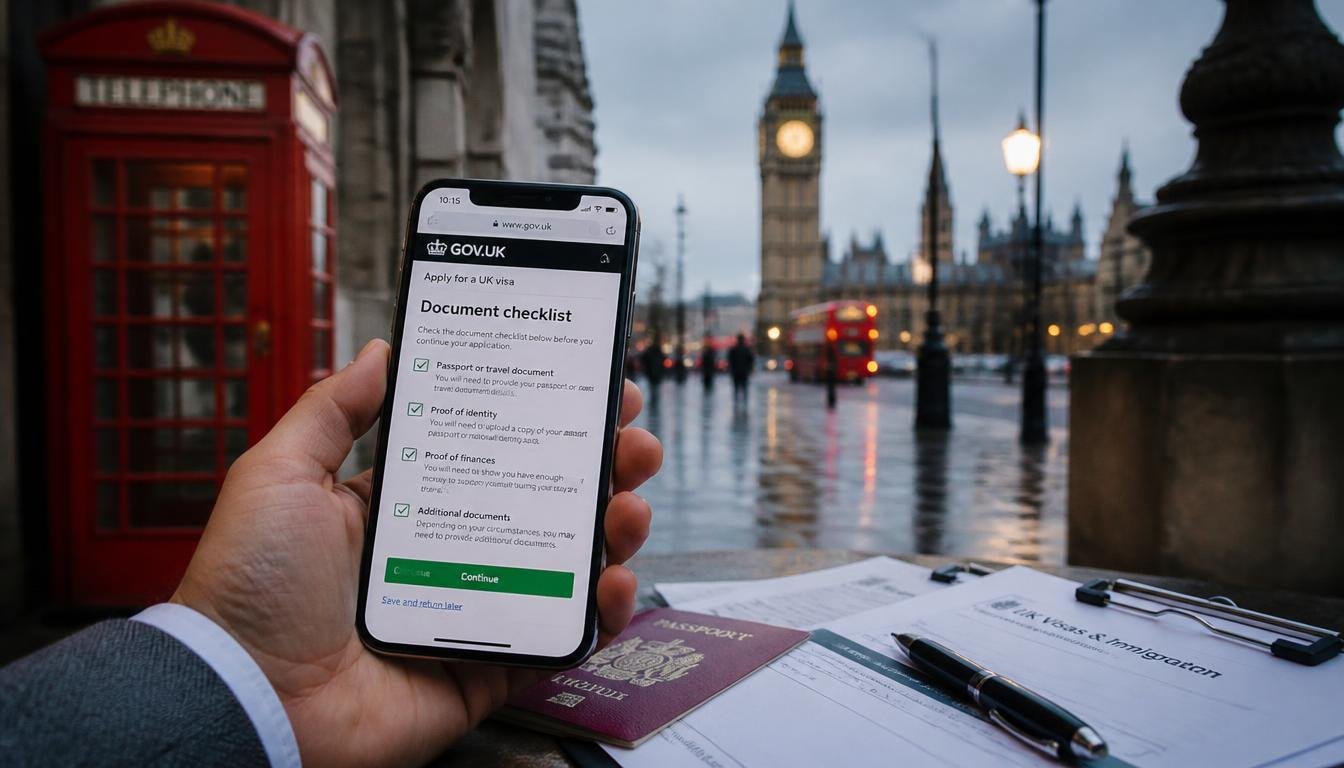
As of 2026, changes are anticipated in the administration and criteria for free school meals, a matter that will have significant implications for many families across the nation. Understanding these changes is essential for families that may depend on this support. Currently, children from families earning less than a certain threshold may qualify for FSM, which not only helps alleviate hunger but also enables children to focus on their education without the distraction of food insecurity.
The connection between free school meals and Universal Credit is particularly important to highlight. Under the current system, families that receive Universal Credit may be automatically entitled to free school meals, thus simplifying the process of access to nutritious food for children. This system is designed to ensure that those who need assistance the most can receive it efficiently. The changes coming in 2026 are expected to revisit the income thresholds and eligibility criteria, potentially impacting many who rely on these essential services.

Furthermore, the significance of free school meals extends beyond individual households. They contribute positively to public health outcomes, education performance, and overall societal wellbeing. As we approach the anticipated changes in 2026, it is paramount for families to stay informed and prepared to understand how these reforms in free school meals and Universal Credit may affect them directly.
Eligibility Criteria for Free School Meals in 2026
Beginning in September 2026, the eligibility criteria for families seeking free school meals will undergo certain adjustments aimed at streamlining access for those in need. Understanding these criteria is essential for families to ascertain if they qualify for this assistance, which plays a crucial role in ensuring children’s nutritional needs are met while they are in school.

To qualify for free school meals, families must primarily meet specific income thresholds set by the government. This threshold generally pertains to the total annual income of the household, which includes various forms of income such as earnings from employment and benefits. As of the latest updates, families with a net income below a certain amount will be eligible. This amount is subject to change each year, so it is advisable for families to stay informed about the latest figures released by the government.
Another vital component of the eligibility framework is Universal Credit. Families that receive Universal Credit and have an income that falls within established limits are generally eligible for free school meals. The understanding of how Universal Credit interacts with the eligibility for free school meals is crucial, as it not only simplifies the application process but also ensures that families in need can receive the necessary support without excessive bureaucracy.

Additionally, there may be other factors that influence eligibility, such as the number of children in a household and any additional support or benefits a family is receiving. It is important for applicants to provide comprehensive and accurate information when applying for free school meals. As regulations and guidelines are periodically revised, keeping abreast of these changes will help families take full advantage of the resources available to them in the new academic year.
The Application Process for Free School Meals
The application process for free school meals is designed to be accessible and straightforward for families who qualify. To begin, parents or guardians must determine their eligibility based on current income thresholds and benefits, which often include those on Universal Credit or other forms of government assistance. The specific criteria may vary by region, so it’s essential to consult local guidelines when initiating the application.

Families can typically apply for free school meals through their local council’s website or by visiting their nearest council office. Most councils provide an online form that can be filled out, which streamlines the process. It is advisable for applicants to gather necessary documentation prior to completing the application, as this can help ensure a smoother experience. Key documents may include proof of identity, income statements, and details of any benefits currently being received.
When filling out the application, clarity and completeness are crucial. Providing accurate information helps avoid delays in processing. After submission, families should expect to receive a confirmation of their application status. This may take a few weeks, so patience is vital. In case of any complications, it is essential for families to proactively contact the council for assistance.
Additionally, the process may present various challenges, such as a lack of understanding of eligibility criteria or difficulties in accessing the online application. To mitigate these issues, it may be beneficial to seek guidance from community organizations or support services that can provide tailored advice and aid throughout the application journey. By approaching the process with thorough preparation and the right resources, families can increase their chances of successfully securing free school meals for their children.
Impact of Universal Credit on Free School Meals and Family Finances
Universal Credit is a vital financial support system designed to assist families and individuals with their living costs. Its influence on free school meals is significant, particularly for low-income families. Under the current regulations, eligibility for free school meals is often linked to the receipt of Universal Credit. Families whose total income falls beneath a specific threshold may qualify for this essential benefit, which ensures children receive balanced meals during school hours, enhancing their overall well-being and academic performance.
As of 2026, it is anticipated that there will be updates to the Universal Credit system, which could have implications for free school meal eligibility. Such changes may involve adjustments to income thresholds or eligibility criteria. Families that are currently benefiting from Universal Credit need to stay informed about these potential changes to ensure that they continue to receive support. Understanding the nuances of how these policies interact is essential for families to navigate the financial landscape effectively.
To maximize the benefits provided through Universal Credit, families are encouraged to assess their financial situations and understand their rights regarding free school meals. Resources available through local councils or community organizations can provide assistance and advice on completing applications accurately, understanding documentation requirements, and appealing decisions if necessary. Furthermore, families might explore additional support mechanisms, such as childcare benefits or housing support, often available to those on Universal Credit. This multifaceted approach ensures that families capitalize on the benefits available to them, thereby alleviating financial pressures.
In conclusion, the intersection of Universal Credit and free school meals plays a crucial role in supporting families financially. Keeping abreast of potential changes to Universal Credit and actively engaging with available resources is critical for families to optimize their financial support within this system.